
The One Big Beautiful Bill Acts SNAP cuts threaten recession recovery efforts.
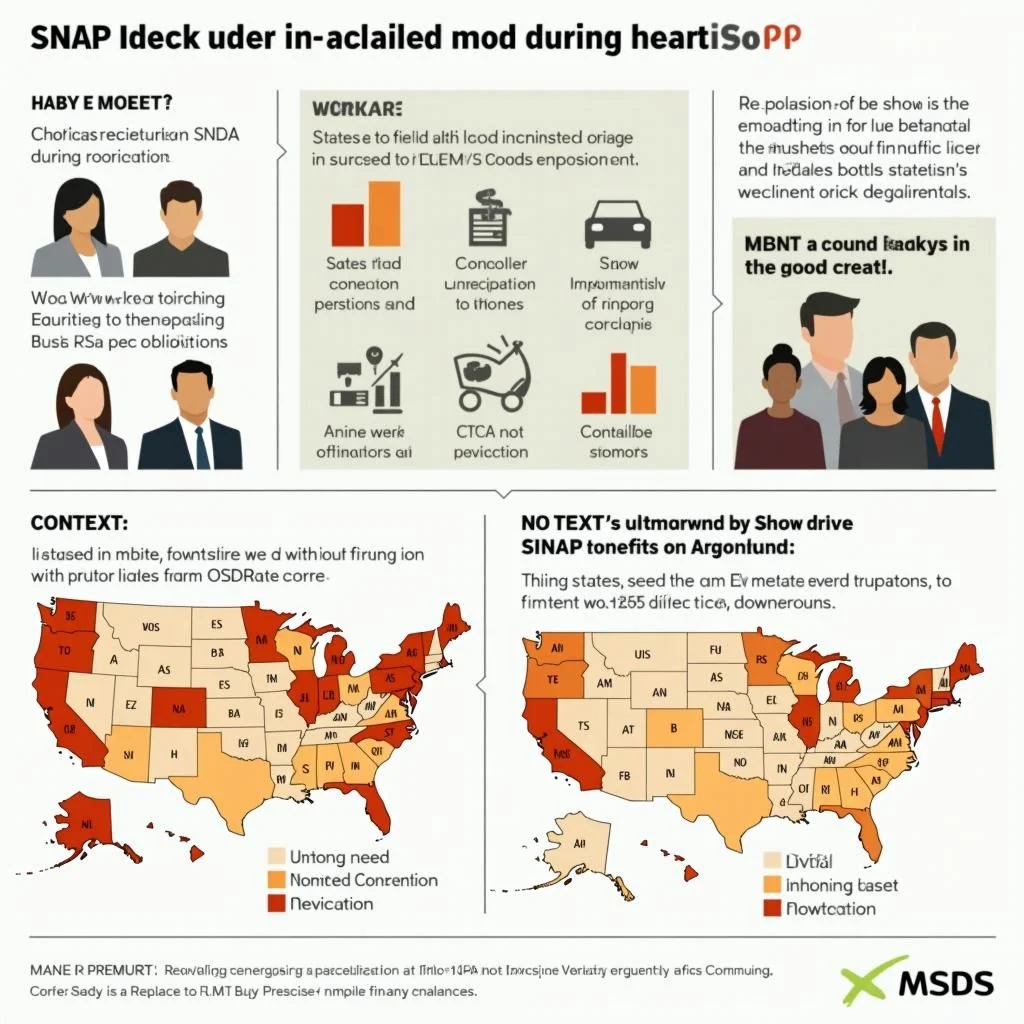
The One Big Beautiful Bill Act will significantly cut the SNAP program, limiting its responsiveness during recessions by shifting costs to states and altering work requirements. This will negatively impact unemployed workers and the local economy, hindering SNAP’s ability to function as an automatic stabilizer during economic crises. Many states may reduce or even end their participation in the program. It is suggested to reverse the cuts and new regulations to maintain SNAP’s effectiveness as a vital support during times of recession.
Analyzing SNAP Work Requirement Waivers Using OBBBA Rules During the Great Recession
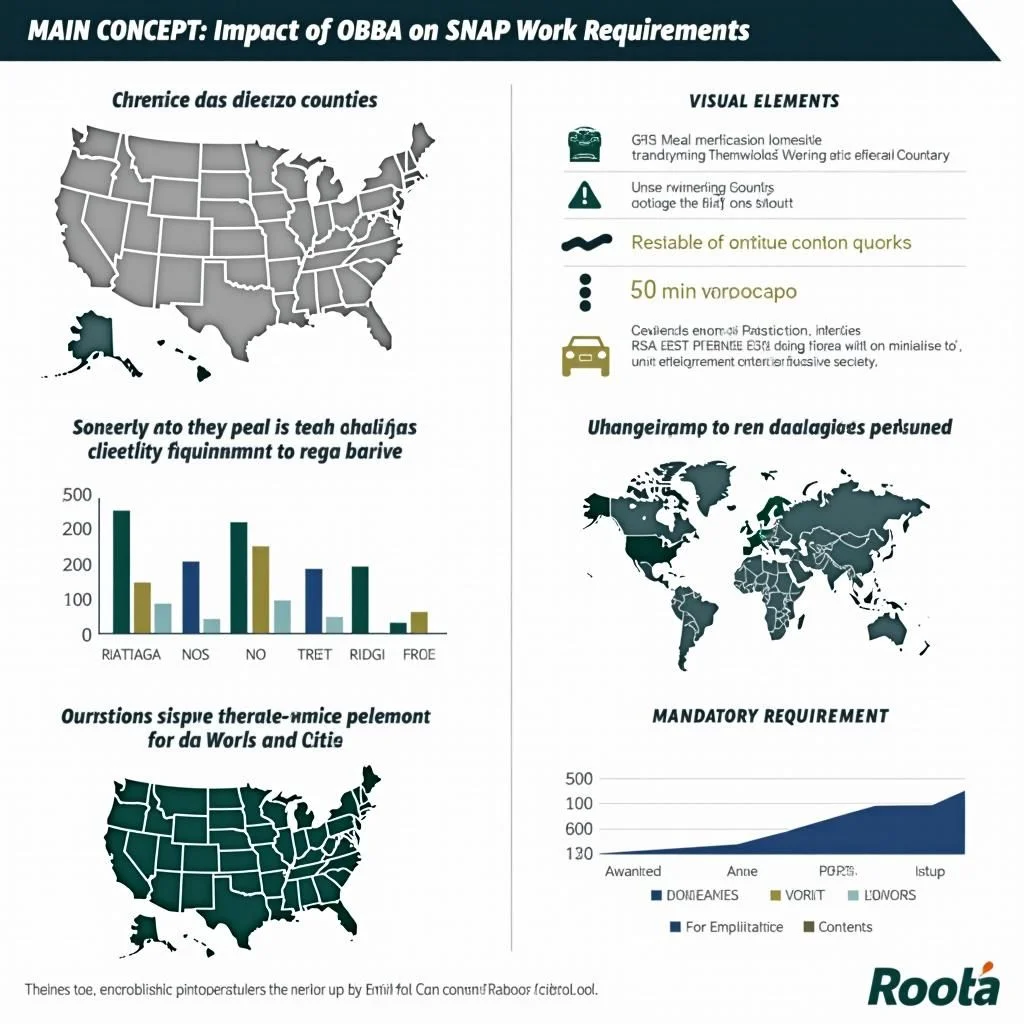
The application of OBBBA rules to the 2008 Economic Recession evaluated the waiver of work requirements in the Supplemental Nutrition Assistance Program (SNAP). The One Big Beautiful Bill Act exposes more SNAP participants to work requirements and changes the exemption criteria, making it harder to get a waiver by location and establishing a 10% unemployment rate as a key criterion, affecting SNAP’s ability to function as a countercyclical program.
How would the removal of the $0 deductibles affect insurance coverage?
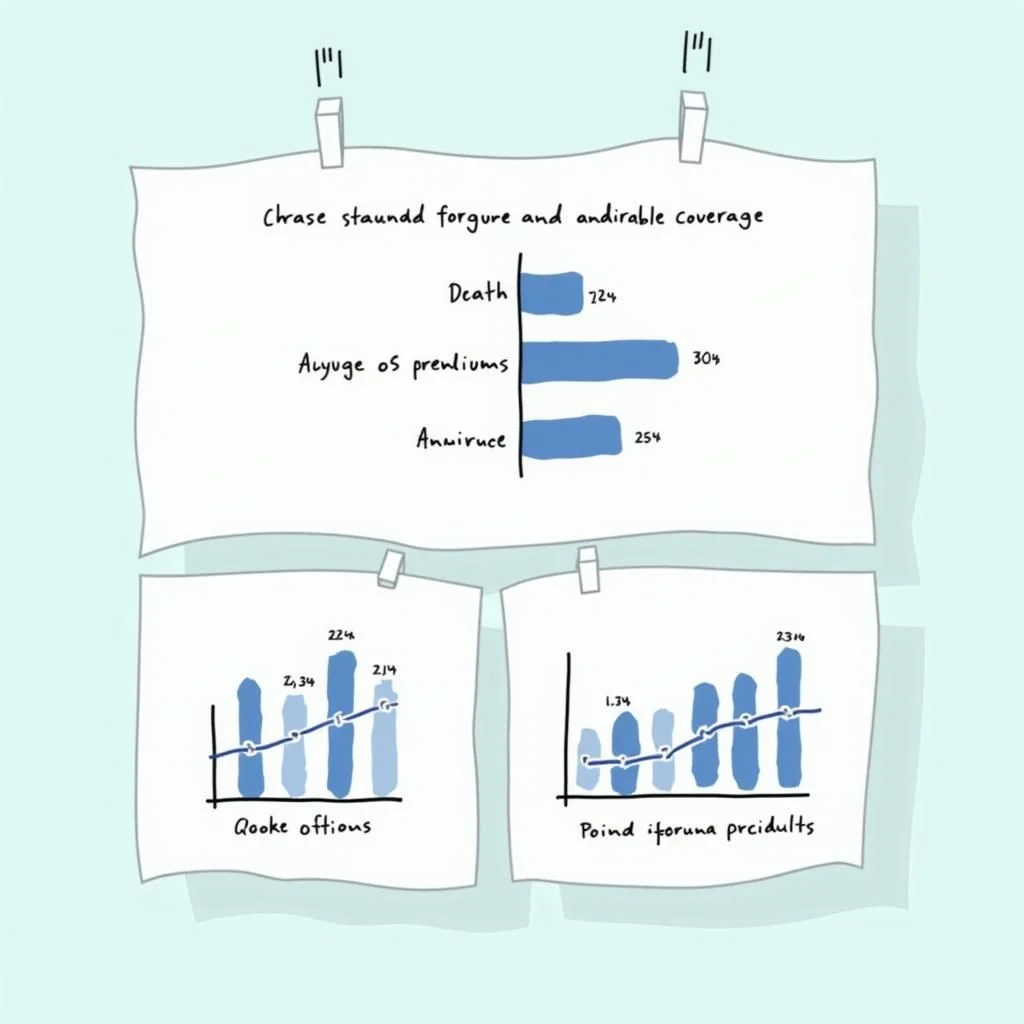
The Congress increased the generosity of the tax credit for premiums in 2021, but it is debated to extend it beyond its expiration in 2025. If the $0 premium credit is eliminated, it is estimated that 3.8 million would lose coverage, saving the government $35 billion annually. Lawmakers consider keeping the enhanced credits but with a minimum premium to avoid $0 premiums, it would affect 430,000 people and reduce federal costs by $3 billion. Research indicates that requiring even a minimum premium significantly affects insurance enrollment.
Donald Trump’s Digital Mercantilism

Donald Trump seeks to protect large US tech companies from European regulations, while the EU demands accountability from digital companies.
United Nations at 80: Celebrating the Power of Collective Action

The UN turns 80 promoting collective action for global challenges such as climate change and poverty. Navid Hanif, at the UN General Assembly, highlights the importance of uniting 193 countries for shared solutions, advocating for the Sustainable Development Goals, the fight against climate change and inequality, and the need for investments for sustainable development.