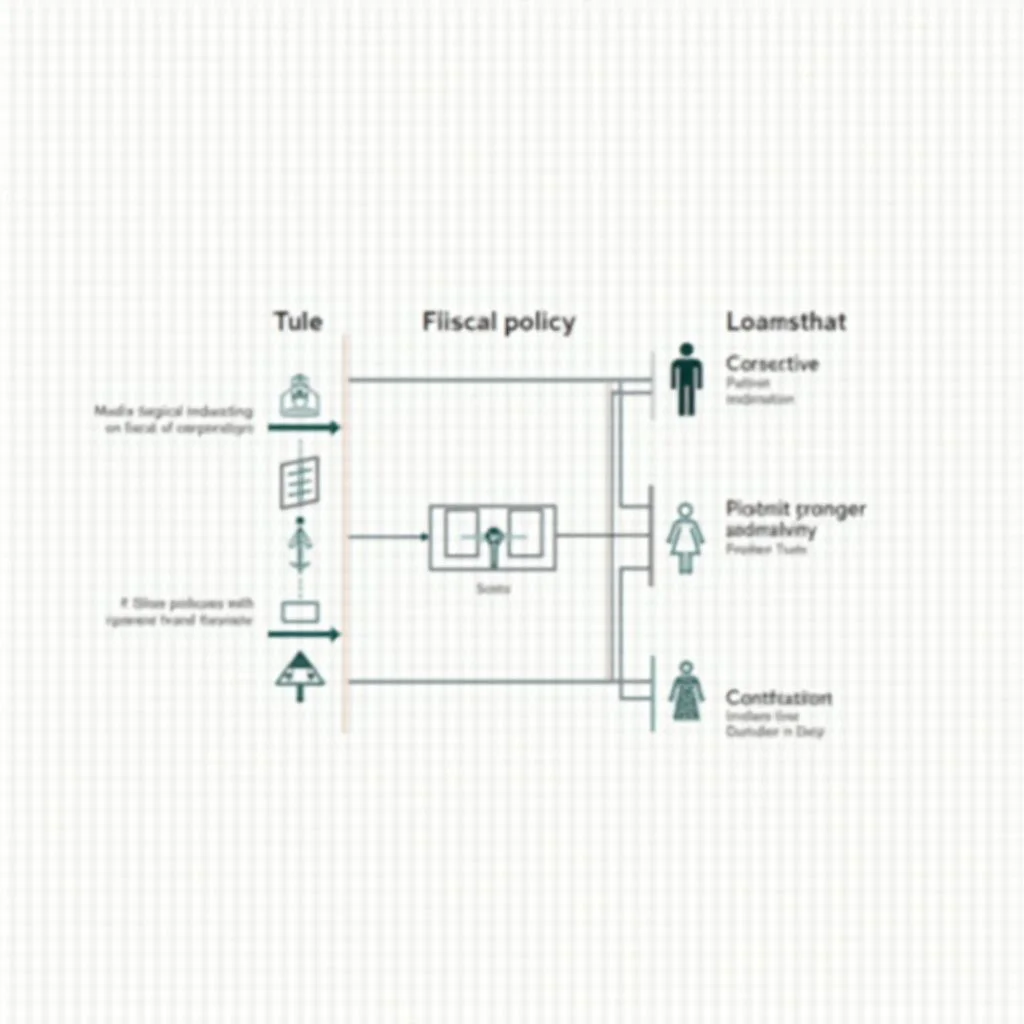
La política fiscal es una herramienta crítica para permitir la igualdad de género y otras formas de equidad en la sociedad. Implica decisiones clave sobre la recaudación de impuestos, sus fuentes y cómo se asigna el presupuesto disponible. La imposición progresiva, por ejemplo, puede cerrar oportunidades de evasión y evasión para los contribuyentes de alto ingreso y las grandes empresas mientras protege a los contribuyentes de bajos ingresos y las pequeñas empresas. Por otro lado, las políticas de gasto equitativas incluyen inversiones en cuidado y asignaciones destinadas a reducir las brechas de género y fomentar la participación laboral de las mujeres, lo que contribuye a una base impositiva ampliada y espacio fiscal a lo largo del tiempo.
La política fiscal, junto con sus procesos asociados, es fundamental para la igualdad de género porque influye en qué se financia, cómo se financia y quién puede examinarlo. Si bien la política fiscal puede ser una herramienta poderosa para reducir las brechas de género, también puede reforzarlas. Un progreso sustancial hacia la igualdad de género requiere que las decisiones sobre ingresos y gastos se integren firmemente en un programa feminista para la política fiscal y la política.
La política fiscal y la igualdad de género
La política fiscal, el concepto que captura la influencia de la política en la formulación de políticas fiscales, a menudo es la clave faltante en explicar si y cómo la política fiscal funciona hacia resultados equitativos. Aunque la literatura sobre los aspectos políticos de la reforma de políticas ha aumentado, estas perspectivas no se han aplicado para estudiar esta clave faltante desde una perspectiva de igualdad de género. Desempaquetar la política fiscal es esencial para identificar puntos de entrada y vías para la reforma fiscal progresiva y el gasto mejorado, los principales facilitadores y obstáculos para ellos, y soluciones para promover o superarlos, respectivamente.
Estudiar la política fiscal desde una perspectiva de género es particularmente importante porque, después de décadas de progreso, muchos países están experimentando un retroceso significativo contra la igualdad de género. Esto no solo puede revertir los logros de las décadas pasadas, sino también impedir el progreso esencial en el futuro. Si bien este artículo se centra específicamente en la igualdad de género, este tema se entrecruza profundamente con otras formas de desigualdad en una amplia gama de grupos en la sociedad.
Definición de la política fiscal
No hay una definición estándar de “política fiscal” en la literatura académica o de política, pero el Fondo Monetario Internacional (FMI) ofrece un punto de partida: La política fiscal captura la influencia de la política en la formulación de políticas fiscales, con un enfoque particular en las elecciones, la ideología del partido gobernante y la fragmentación política. Nuestra definición de “política fiscal” se basa en esto para incluir elementos de las literaturas relevantes relacionadas con la comprensión de las instituciones, el poder, los acuerdos políticos y las élites. Utilizamos el término “política fiscal” para describir el ecosistema de instituciones, grupos, ideologías, intereses, narrativas y relaciones de poder que a menudo se pasan por alto en el debate sobre la política fiscal y la igualdad de género. Esta definición también imprime a este concepto con una lente de igualdad de género.
Objetivos de investigación
Este capítulo no pretende proporcionar un nuevo marco conceptual sobre la política fiscal. En su lugar, se basa en elementos de las literaturas recientes que cada vez más se preocupan por la política y sus implicaciones para la política gubernamental y la reforma para proponer un programa de investigación para el futuro. El resto de este capítulo sigue como sigue. La Sección 2 ilustra la centralidad de la política fiscal describiendo cómo diferentes posturas políticas en torno a las normas y roles de género se traducen en diferentes conjuntos de políticas fiscales. La Sección 3 propone un conjunto de preguntas relacionadas con los actores clave, las posturas políticas y los procesos para comenzar a abrir la caja negra de la política fiscal y construir un plan de acción para la investigación futura en este tema.
Reformas fiscales equitativas
Cuando se trata de igualdad de género, algunas políticas fiscales son más efectivas que otras para lograr progreso en la igualdad de oportunidades entre hombres y mujeres, así como la equidad entre otros grupos en la sociedad. Las contribuciones a este compendio proporcionan caminos claros para reformas fiscales equitativas, incluidas opciones para generar recursos domésticos de manera justa, traducir esos recursos en sectores y políticas que promuevan la igualdad de género como parte de un marco fiscal integral, y ampliar la inversión en cuidado como un camino hacia el crecimiento y la sostenibilidad fiscal.
Reformas fiscales equitativas
Las reformas fiscales equitativas típicamente incluyen una combinación de impuestos de ingresos progresivos, la adopción de impuestos sobre la riqueza, incluidos los ingresos derivados de ella o la transferencia de riqueza, una imposición más efectiva de las corporaciones multinacionales, impuestos de consumo ampliamente aplicados que minimicen las exenciones fiscales y las incentivos que benefician a las empresas de gran tamaño, y reducir la carga financiera y de cumplimiento de la imposición sobre las empresas de bajos ingresos y los trabajadores a través de umbrales de exención altos para regímenes de impuestos simplificados y presumidos. Estas reformas se combinarían en el lado de la inversión con inversiones en infraestructura física y social, transferencias en efectivo y otras medidas de protección social para los segmentos más pobres de la población, la implementación de permisos de pago parental, y asignaciones de recursos adecuadas para la aplicación de las leyes contra la discriminación, la violencia basada en el género y la igualdad en el matrimonio y la separación.
Estas son todas las opciones técnicas posibles para hacer que la política fiscal funcione hacia la igualdad de género y la igualdad más generalmente. La literatura relacionada ha argumentado que las opciones de política enumeradas anteriormente no solo son mejores para la igualdad de género; también resultan en mejores resultados macroeconómicos en términos de empleo, crecimiento y estabilidad fiscal. Por ejemplo, una mayor participación de la fuerza laboral femenina contribuye a una fuerza laboral más grande y diversa, lo que resulta en una mejor correspondencia de empleo y una mejor innovación, ambas de las cuales son los principales impulsores de una mayor productividad. El aumento promedio de cerrar brechas de género en la participación de la fuerza laboral en los mercados emergentes y economías en desarrollo podría ser tan grande como el 23% del producto interior bruto (PIB). Estos efectos no se limitan a países de bajos y medianos ingresos. La expansión de la guardería universal para niños pequeños en Noruega aumentó el empleo de las madres en 32 puntos porcentuales sobre la línea base, y la licencia parental permitió un equilibrio entre el trabajo y la vida, aumentando la productividad en el trabajo. Además de sus beneficios en el empleo y el crecimiento, estas políticas también contribuyen a la sostenibilidad fiscal.
Por lo tanto, existe un caso cada vez más claro para una política fiscal equitativa, fundamentada no solo en consideraciones normativas sobre la igualdad de género sino también en su papel instrumental para lograr mejores resultados macroeconómicos y sostenibilidad fiscal. Ya sea que se adopten o no reformas equitativas depende de la política fiscal. Las normas de género afectan varios aspectos de la política fiscal, incluidos actores e intereses e ideología.
Ilustramos este punto utilizando un ejemplo sobre ideología para mostrar cómo las posturas políticas opuestas en torno a las normas y roles de género influyen de manera diferente en las decisiones de recaudación y gasto. Los dos extremos estilizados que se pueden incorporar en los sistemas fiscales son el ideal del proveedor de ingresos masculino/trabajadora del hogar femenina y el ideal dual de ingresos/igualitario. En la realidad, hay una pluralidad más amplia de narrativas en torno a las normas de género que existen en una gama, a menudo coexisten en cualquier contexto y se intersecan y correlacionan con las estructuras económicas de un país, su nivel de ingreso y otras dimensiones de la desigualdad como la etnia o la religión.
El ideal tradicional
En nuestro relato estilizado “tradicional”, los roles principales de las mujeres son como cuidadoras y los roles principales de los hombres son como proveedores de ingresos. Las firmas fiscales típicas incluyen la imposición personal conjunta (PIT) en la que la presentación conjunta es la norma y se aplican tasas marginales más altas a los ingresos secundarios, que a menudo se ganan por mujeres, y los programas de gasto que refuerzan los roles de cuidado no remunerados de las mujeres, así como el apoyo a la salud materna y infantil sobre los derechos y la salud reproductiva de las mujeres. El modelo del proveedor de ingresos masculino también se refleja en la naturaleza de las deducciones, exenciones y beneficios disponibles para diferentes contribuyentes, como la concesión de deducciones por hijos adicionales o la deducción de gastos laborales para posiciones salariales en ciertas ocupaciones profesionales, donde los hombres dominan en comparación con servicios como el trabajo doméstico e informal, donde las mujeres dominan. La postura fiscal en el lado de los gastos tendería a excluir la responsabilidad colectiva de la reproducción social, dejándola a las familias o al mercado. Sin embargo, en contextos con fuertes normas tradicionales sobre roles de género, dejar esta responsabilidad a los individuos o las familias corre el riesgo de reforzar las desigualdades existentes de poder y desigualdades.
El ideal igualitario
Por el contrario, nuestro relato estilizado “igualitario” enfatiza más el equilibrio entre el trabajo y la familia para todos, lo que implica una redistribución de actividades remuneradas y cuidado entre mujeres y hombres, así como una distribución de responsabilidades de cuidado entre los ámbitos público y privado. En el lado de la recaudación, una postura igualitaria favorecería la presentación individual y el diseño de PIT que aliente la participación de la fuerza laboral femenina. El lado de los gastos reflejaría las asignaciones para una variedad de políticas y servicios que alienten la participación en el mercado laboral femenino, incluidas las mencionadas al principio de esta sección. Esta postura política tiende a favorecer un enfoque colectivo del cuidado donde el estado asume más responsabilidad sobre él, y asigna recursos adecuados para proporcionar y remunerar el cuidado.
Este ejemplo simplificado ilustra cómo diferentes ideologías—igualitarias y tradicionales en este caso—pueden traducirse en diferentes posturas políticas y preferencias sobre la política fiscal. En la realidad, hay varias ideas e ideologías que se superponen, compiten y coexisten. Por ejemplo, diferentes posturas y narrativas en torno al tamaño y papel del gobierno se intersecan con las normas de género pero no se relacionan directamente. En la narrativa del pequeño estado o gobierno mínimo, las decisiones sociales y económicas se dejan en gran medida a las familias y el mercado. Una narrativa de normas de género tradicionales a menudo se alinea con el escepticismo hacia un estado de bienestar más grande. La narrativa del pequeño estado también conduce a una tendencia a proteger la riqueza y el capital de la imposición, basada en ahora altamente controvertidas y en cierta medida desacreditadas argumentaciones de que aumentar las impuestos a los ricos tendría efectos negativos en el crecimiento y el desarrollo económico. Por el contrario, una postura política igualitaria a menudo se superpone con narrativas que favorecen un gobierno más grande y un estado de bienestar más amplio. En esta narrativa, el gobierno asegura la bienestar de los ciudadanos, reduciendo la desigualdad, proporcionando bienes públicos y seguro social, y interviniendo activamente en la economía para gestionar la demanda, amortiguar los riesgos y asegurar oportunidades iguales. Las políticas favorecen servicios públicos universales, incluida la atención médica y la educación, fuertes protecciones laborales y una imposición progresiva que busca redistribuir los cargos fiscales hacia los contribuyentes de mayor ingreso y las empresas más grandes.
Ultimately, which fiscal policies get adopted will be the result of the interplay of different actors, institutions, and groups representing a plurality of ideologies, ideas, and narratives—and the power dynamics among them. All these aspects need to be unpacked to open the black box of fiscal politics: Which actors participate and exercise power, what interests and ideas they pursue, and the processes within which fiscal policy decisionmaking takes place.
The concept of fiscal politics, particularly through the lens of gender equality, is under-researched despite being widely acknowledged as a key factor influencing policymaking. Unpacking it would address two overarching questions that motivate this research agenda. First, what are the specific elements of fiscal politics that allow for reforms to be adopted and succeed in a given context? This question can motivate both country analysis and cross-country comparisons. Second, what are the specific obstacles to adopting equitable fiscal policies, and, in turn, what are the options to overcome them?
We suggest three key issues for future research to address related broadly to actors, political stances, and processes that address those overarching questions by exploring how revenue and spending decisions are made. They are discussed below and summarized in Box 1.
Box 1: Three sets of questions to unpack fiscal politics
Overarching questions motivating an agenda to unpack fiscal politics:
- What are the specific elements of fiscal politics that allow for reforms to be adopted and succeed in a given context?
- What are the specific obstacles to adopting equitable fiscal policies and the options to overcome them?
“Who” questions: Mapping key actors and interrogating power relations through a gender lens
- Who are the key visible and invisible actors involved in decisionmaking around revenue and spending?
- What are the gendered power relations within and among them?
- Who are the key actors involved in oversight and accountability of fiscal decisionmaking, and are they empowered to perform that role effectively?
- Are women represented in key decisionmaking organizations, including in positions of leadership, and can they exercise their power and voice effectively?
- Who are their key allies?
“What” and “why” questions: Surfacing political stances and their motivations within and across key actors
- What are the prevailing political stances, narratives, and ideologies in relation to gender equality and the role of women in society and the economy?
- What are the key fiscal policies associated with them?
- What are the key motivations, interests, and incentives that shape political stances within and across institutions and groups?
- What are the key channels through which political stances influence and work their way toward decisionmaking?
- What coalitions can make influencing most effective?
“How” questions: Building transparent and effective processes for accountable decisionmaking
- How transparent, inclusive, and effective are the formal decisionmaking processes?
- What safeguards are in place to ensure effective representation of a plurality of perspectives?
- Do existing processes work toward the desired outcomes of transparency, accountability, and inclusiveness?
- For example, what accountability mechanisms exist to ensure implementation follows through, and are they fair and effective?
- What informal processes, spaces, and rules exist alongside formal decisionmaking spaces, and how do they influence fiscal policy decisions?
Before delving into the three issues, we situate our proposed research agenda in the broader literature. There is no one standard framework for fiscal politics, but rather relevant elements that can be drawn from economics, political science, and public financial management (PFM) that are concerned with the political aspects of policy reform and economic development. These literatures highlight that, to understand why reform happens or succeeds in one context and not in others, one needs to consider the role of politics, institutions, elites and other powerful groups, as well as their interests and ideologies.
For example, the new institutional economics school of thought places particular emphasis on formal institutions, their characteristics, and their historical origins. In contrast, the political settlements framework considers formal institutions alongside powerful groups and interrogates relative power and power dynamics across formal and informal structures. Inglehart and Welzel develop maps of political culture and values, relevant for fiscal politics. The field of sociology contains a large literature on fiscal policy in welfare states. The tradition of political economics aims to understand how governments take policy decisions from a theoretical perspective, linking policymaking to electoral processes and the political cycle. In contrast, the PFM literature typically takes a more technocratic and process-focused approach to questions around spending decisions and delivery, including gender responsive budgeting. In this literature, transparent and robust processes are sometimes framed as a way to manage the disruptive role of politics. Other relevant frameworks include political economy analysis that has been used to understand the effectiveness of the development process in lower-income countries, or the powercube framework that proposes an analysis of power focusing on level, spaces, and form.
This brief overview of relevant strands of work does not aim to be comprehensive, and a full review of available frameworks is beyond the scope of this paper. The examples above illustrate that different parts of the literature offer useful insight and guidance for the study of fiscal politics generally, although none of these literatures addresses the role of gender equality. A roadmap for future research on fiscal politics should address three interrelated sets of questions about: 1) actors and power relations; 2) political stances and their motivations; and 3) transparent and effective processes. The interrelations of these elements define how revenue and spending decisions are made and, in turn, their implications for gender equality—thus helping to address our two overarching questions on equitable reform adoption and key obstacles to it.
Mapping key actors and interrogating power relations through a gender lens
The first set of issues is largely related to the “who” of fiscal politics. Although technocratic, mapping key actors is an essential first step before analyzing more complex political questions. Typically, the PFM literature maps key actors as the relevant institutions involved in the budget process, like the parliament, the ministry of finance, line ministries, the executive, and the revenue administration. However, the political settlements literature highlights how powerful groups and formal institutions don’t necessarily overlap, and their respective dynamics are not always in sync—political change can happen even without changes in formal institutions. This makes it essential to map other actors and groups that are key to fiscal outcomes but typically receive much less attention in research. For example, civil society organizations that represent and channel citizens’ views on fiscal decisions can be essential voices for fair and transparent decisionmaking, while powerful interest groups, corporations, and wealthy elites may shape fiscal decisionmaking behind the scenes through lobbying or other channels and spaces for influence. Other actors that are often under-researched include the media, auditors general, and other oversight bodies such as courts.
Which actors influence fiscal decisions, and how, affects not only the outcomes of fiscal policy but also transparency and accountability in the budget process and in broader fiscal planning. The map of key actors should then be interrogated through a gender lens, recognizing that there are many individuals within key institutions and groups, and that power relations and dynamics are affected by underlying gender norms. Some studies have approached this issue through questions around women’s representation in key decisionmaking bodies or implementing agencies. While important, this literature risks falling back on an essentialist assumption that the presence of more women translates into decisions or actions that are better for gender equality—or equity more generally. Some evidence exists that women generally tend to be more aware of gender equality issues, but the central questions need to scratch below the surface of representation. For instance, they can interrogate which women participate in decisionmaking processes and whether they are effectively able to take part in and shape key decisions. Do the structures of and power relations within key institutions allow for men and women to challenge and expand existing narratives and ways of thinking about the role of fiscal policy to address gender inequalities, or do they reinforce traditional norms? The answer to these questions requires investigating women’s power—whether, how, and where it can be exercised—and their ideologies, allies, and coalitions. It also requires interrogating the intersection of gender with ethnicity, class, and religion, among others.
Surfacing political stances and their motivations within and across key actors
Against this background, new research would explore women’s experience in positions of leadership, whether there is a critical mass in higher-level government roles and how that affects power relations, whether there are additional barriers or vulnerabilities in relation to women’s promotions and job security, who are the key allies among other groups, and what coalitions exist or can be built both within and across institutions. This analysis would allow researchers and practitioners to identify key constraints to progress and to consider options to overcome them. For example, lack of representation and effective opportunities for voice and influence might be addressed through fair promotion processes and effective support structures that intentionally aim to minimize and mitigate child penalties; solid anti-discrimination policies and robust mechanisms for enforcing them; as well as women’s caucuses and mentorship programs. However, deeper changes in power relations need to address underlying norms that affect girls’ educational and reproductive choices and require broader coalitions with outside allies in parliaments and civil society organizations pressing for fiscal equity.
The second set of issues is broadly related to the “what” of fiscal politics (political stances, narratives, ideologies) and interrogates the reasons (“why”) behind political stances (incentives, motivations, and interests). Institutions and groups are a collection of individuals that interact in complex ways, so that a plurality of narratives, ideologies, incentives, and interests can coexist within them and overlap across them. It is therefore essential to ask questions about what ideas shape contrasting fiscal stances, where they come from, and, in turn, how they affect key institutions and groups involved in taking fiscal decisions.
As noted earlier, there is an emerging stance of gender equality backlash that risks eroding or slowing recent progress. It is therefore especially relevant at this time to address the knowledge gap about fiscal politics in relation to gender equality. New research would start by surfacing and dissecting the main narratives and ideologies that coexist and compete in a given context, and unpacking their key motivations and outcomes of interest, as well as the desired policies associated with each. Following the stylized example of Section 2, a traditional narrative would primarily be motivated by maintaining a role of women in society centered around reproduction and care—as opposed to a male-breadwinner role. Key outcomes of interest would therefore be, for example, the preservation of the traditional family as a key unit in society. Policies associated with this narrative would enable this role to persist (e.g., pro-natalist incentives) or prevent perceived challenges to the desired model (e.g., same-sex marriage). In contrast, an egalitarian narrative would primarily be motivated by equality between men and women. The desired outcome would be equal opportunities across groups in relation to participation in the economy (e.g., entrepreneurship or labor force) and in family and societal decisions around the distribution of care work and resources.
In practice, (co-)existing narratives deviate from these stylized examples and are typically deeply connected to the specific social and economic context—making case studies particularly useful to fill the knowledge gap at the country level. Existing narratives and ideologies would then need to be overlaid on the actors map to investigate political stances within key decisionmaking institutions and powerful groups, and uncover the specific interests and motivations that shape them (which might be linked to ideology, or be more utilitarian and focused on resources or rents), as well as the incentives, which might work both at the individual (e.g., promotion, career progression) or institutional level (e.g., performance, evaluation). Unpacking these questions would allow the identification of key obstacles or entry points for reform that aim to progress gender equality—and equity more generally. Unpacking political stances and their motivations can help find landing zones where agreement—and progress—is possible despite competing ideologies and narratives. For example, in many high-income economies, the decline in fertility is a major concern, not in relation to traditional gender roles related to reproduction, but because it presents a major risk to the sustainability of the pension system, given the aging of countries’ populations. In this example, focusing on the shared objective of increasing fertility to the replacement rate may be an entry point for dialogue on which policies are most effective in overcoming constraints to reproductive decisions. Progress on gender equality might therefore be possible, for example, through policies that minimize “child penalties” through shared parental leave, the expansion of childcare services, and policies that encourage men to take on more unpaid work and care for dependents—not just “baby bonuses” and other pro-natalist incentives that fail to address the underlying constraints.
Finally, it is important to investigate the channels through which political stances ultimately influence decisionmaking and what coalitions can exist based on related stances and ideas. New research could unpack the conditions that determine whether and how media, religious groups, civil society and women’s organizations, professional associations, as well as powerful individuals and groups successfully reinforce or oppose a specific stance. Unpacking specific channels and strategies of influence has the potential to provide context-specific guidance to, for example, civil society organizations or advocates for gender equality on possible entry points to influence policy or to researchers on evidence gaps that may help shift narratives toward those that are more focused on equitable outcomes. Importantly, these influences might be most effective when they come through broader coalitions for change that might cut across groups interested, for example, in tax justice, distributional equity, and just environmental transitions.
Building transparent and effective processes for accountable decisionmaking
The third set of issues addresses the “how” of fiscal politics. It takes a more practical angle to investigate whether effective, transparent, and resilient processes are in place for diverse actors and stances to be effectively represented in decisionmaking. As highlighted by recent studies, such investigations must go beyond the pure existence of processes, for example, for participation and consultation, and interrogate their effectiveness to provide a channel for voice and accountability. There is still limited knowledge on how competing interests, motivations, and incentives shape formal processes, and even more limited research on the informal processes and norms that influence fiscal decisions, including in relation to gender equality.
New research would start by mapping formal decisionmaking processes on fiscal policy and investigating how fair, participative, and transparent they are. For example, what information is made publicly available through consultations and key debates leading up to decisionmaking? Does the timing and format of information release allow for meaningful oversight, accountability, and citizen engagement? What spaces are available for consultation and participation so that a diversity of actors can provide inputs into decisionmaking processes? And are these spaces and mechanisms effectively used by key stakeholders? Research could uncover obstacles that prevent diverse actors from participating, for example, related to knowledge of technical aspects of budgeting and fiscal decisions. In this example, identifying knowledge as a specific obstacle would unlock the possibility of designing measures to overcome it, such as the provision of expert advice, training, or knowledge sharing through professional networks.
Understanding Structural Inequalities
These issues are, of course, related to underlying structural inequalities and norms, for example, in relation to gender gaps in technical subjects such as accounting and economics, in both low- and high-income economies. These questions need to be complemented and expanded to interrogate whether processes work toward the desired outcomes of transparency, inclusiveness, and accountability. For example, what safeguards are in place to make sure a plurality of perspectives is heard? The rise in cyberviolence and violence against women, especially in authoritarian regimes, closes space for their voices to be heard and can narrow existing processes and spaces for consultation and participation.
Formal Accountability Mechanisms
Finally, what formal accountability mechanisms exist to ensure that implementation follows through, and are fair and effective? Answering these questions in a way that is embedded in the country context would allow for specific recommendations on improvements in formal processes, as well as useful insights that might be helpful across countries. Importantly, decisionmaking processes can support gender equality most effectively when they take a holistic approach to tax and expenditure, as opposed to fragmenting them.
Informal Spaces and Rules
For instance, if building support for progressive tax reforms requires advocates to link taxes to expenditure, which kinds of expenditure are likely to lead to broader support? And what happens to these kinds of arguments over time if the “earmarked” revenue does not lead to enhanced services or outcomes? In addition to formal processes, future research should investigate more explicitly the informal spaces and rules of decisionmaking, which often coexist alongside formal ones and can be both influential and exclusive.
Informal Influencing Spaces
For example, it is important to interrogate who takes part in informal influencing spaces (institutions and groups), what perspectives are represented (stances, narratives, ideologies), and how informal rules emerge and change over time. If existing rules and spaces reproduce specific groups or ideologies, then research could investigate spaces where alternative perspectives can be expressed—and what are the points of connection (existing or potential) across them. Understanding these informal processes and rules better would allow for more targeted approaches that intentionally encourage diverse actors and perspectives to be represented in existing decisionmaking spaces and boost alternative ones to develop options for reform, foster coalitions, and coordinate influencing efforts.