
Strengthening EU Connected Vehicle Cybersecurity: Beyond Technical Risks
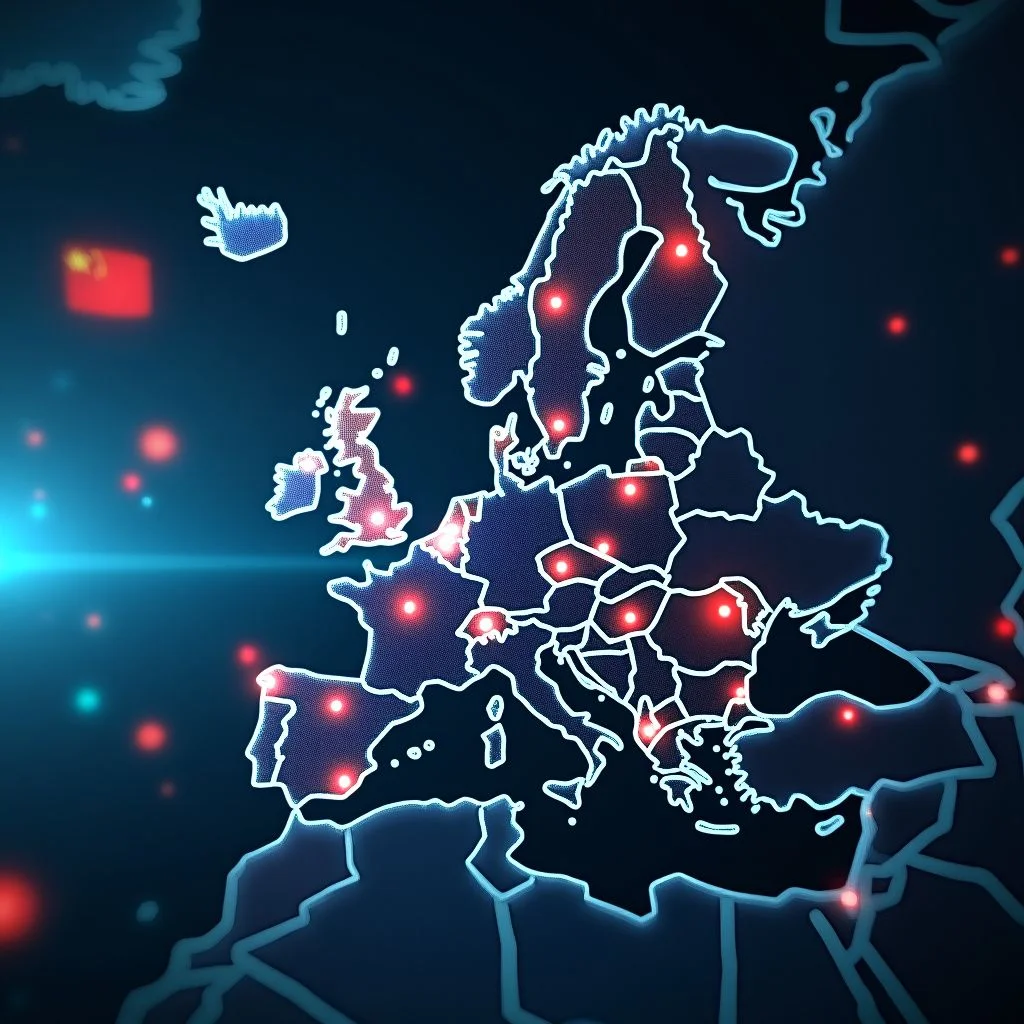
China issued new export controls on batteries in October 2025, highlighting the need for energy sovereignty in Europe. The EU must consider non-technical risks in vehicle cybersecurity. Germany and the EU recognize the importance of security in the automotive industry. The current regulation does not consider the manufacturer’s origin, raising the need to address geopolitical risks.
Fiscal Politics: Bridging the Gap Between Fiscal Policy and Gender Equality
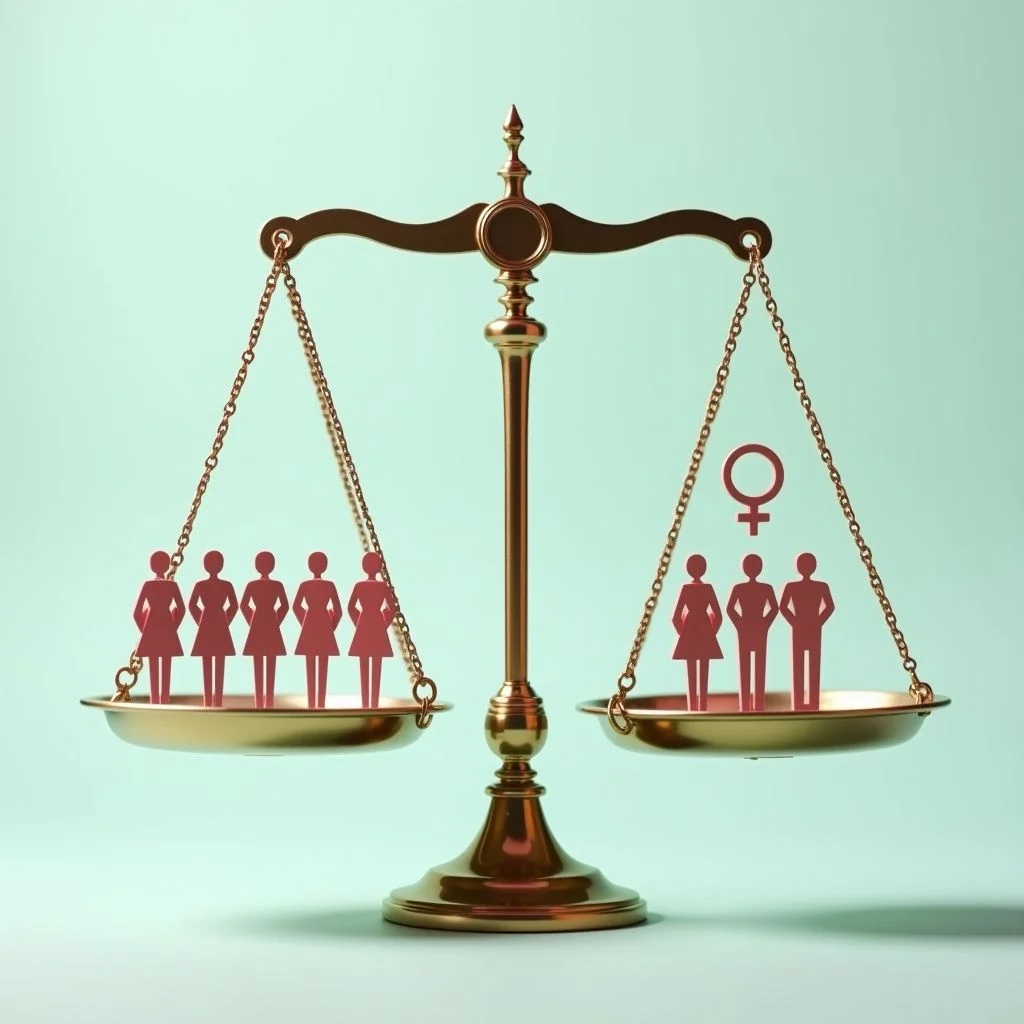
The chapter highlights the importance of fiscal policy in gender equality, affecting public revenue and expenditure, and who oversees these processes. It argues the need to study fiscal policy from a gender perspective to identify obstacles and promote equitable fiscal reforms.
Western Sahara: Morocco Controls the Game.

UN Security Council Resolution 2797 grants Morocco a favorable position over the Polisario Front and the Sahrawi people, allowing for an expanded military occupation in Western Sahara. The international community supports Morocco, leaving the RASD and the Sahrawis in a precarious situation, with scarce possibilities of self-determination.
Ukraines Resilience: Hopeful Advances Amidst Challenges

The Russian invasion of Ukraine persists, with the Russian army pressing in Pokrovsk and other fronts. Despite the occupation of 19% of Ukrainian territory, Ukraine shows determination to resist. Sanctions on Russia and financial support from the European Union could strengthen Ukraine. The increase in Ukraine’s attack capacity against targets in Russia impacts militarily and economically. It is crucial to maintain pressure on Russia to achieve an end to the conflict.
The momentum of EU expansion at risk due to veto power.
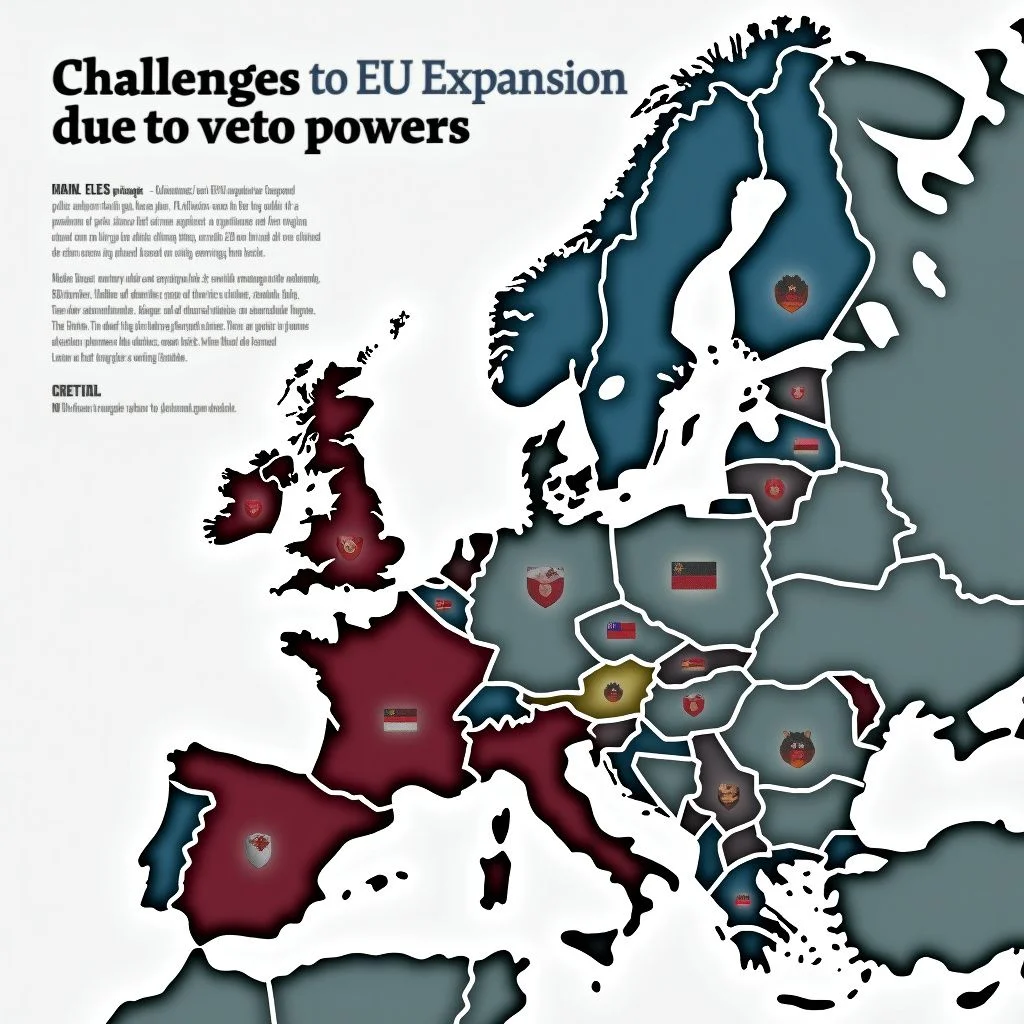
EU expansion faces the risk of Russian vetoes and internal divisions. Hungary, Bulgaria and other countries block the accession of North Macedonia, Ukraine, Moldova and Kosovo. Proposals to reduce veto abuse include qualified majority voting and admission without full voting rights, but legal and ethical challenges persist.