
Has the CHIPS Act Boosted Job Creation?
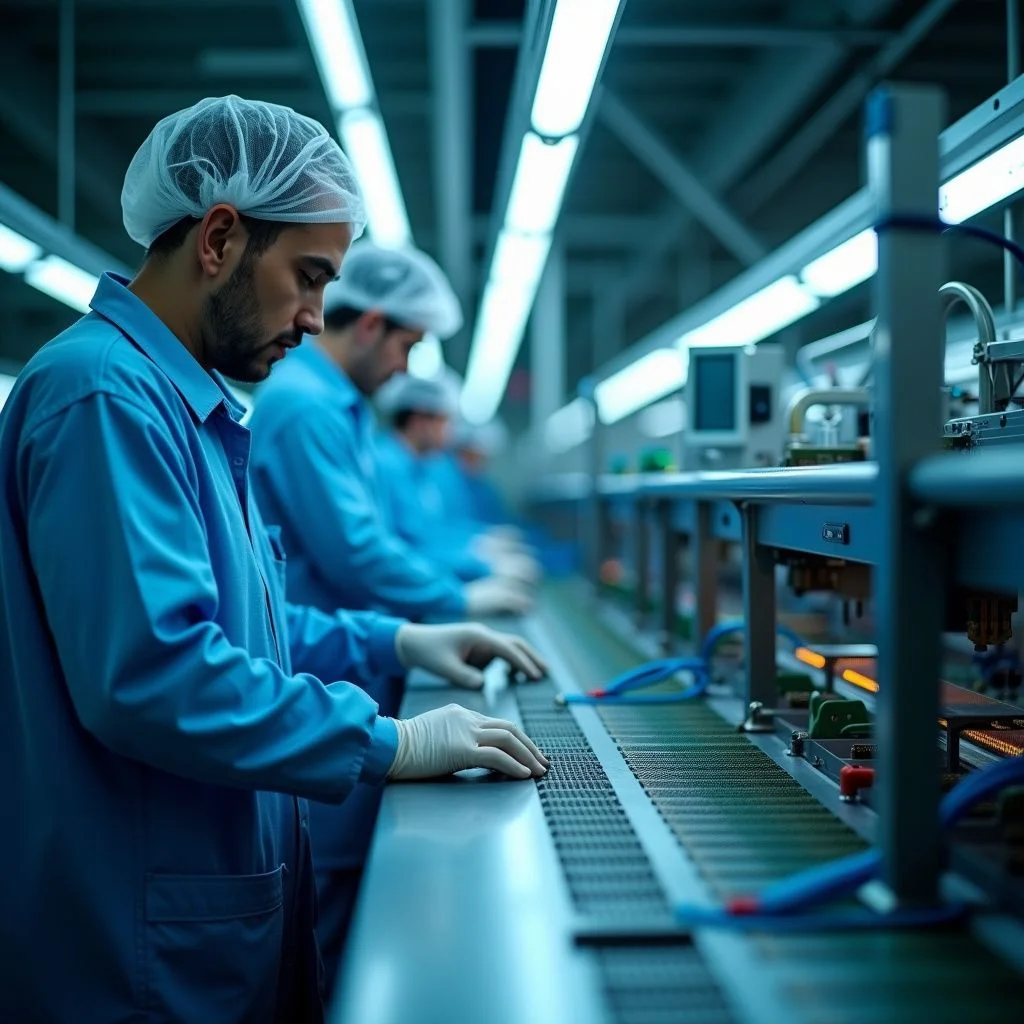
The CHIPS and Science Act of 2022 allocated billions of dollars to manufacturing in the US, creating 15,000 semiconductor jobs and showing a positive impact on employment in this sector. The law aims to stimulate the industry and strengthen economic security.
Bursting the Generational Myth: The EU Needs a Comprehensive Strategy for Next-Generation Battery Chemistries.
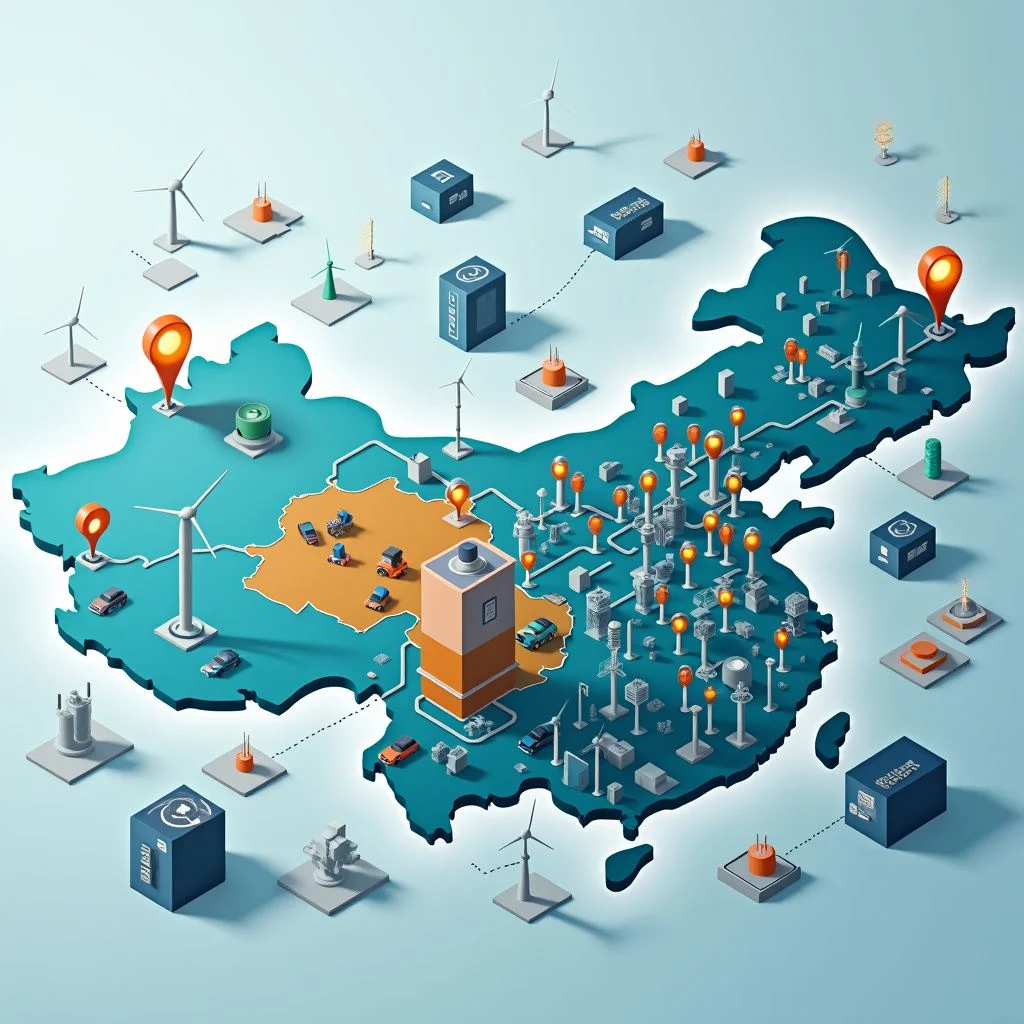
China leads the world’s lithium-ion battery production, especially in electric vehicles, since 2001. Despite its successes, it faces challenges of overproduction and price drops. China strengthens its supply chain for national security and self-sufficiency. Europe considers whether to directly compete with China in future battery technologies.
The Trump Doctrine: Peace through Strength
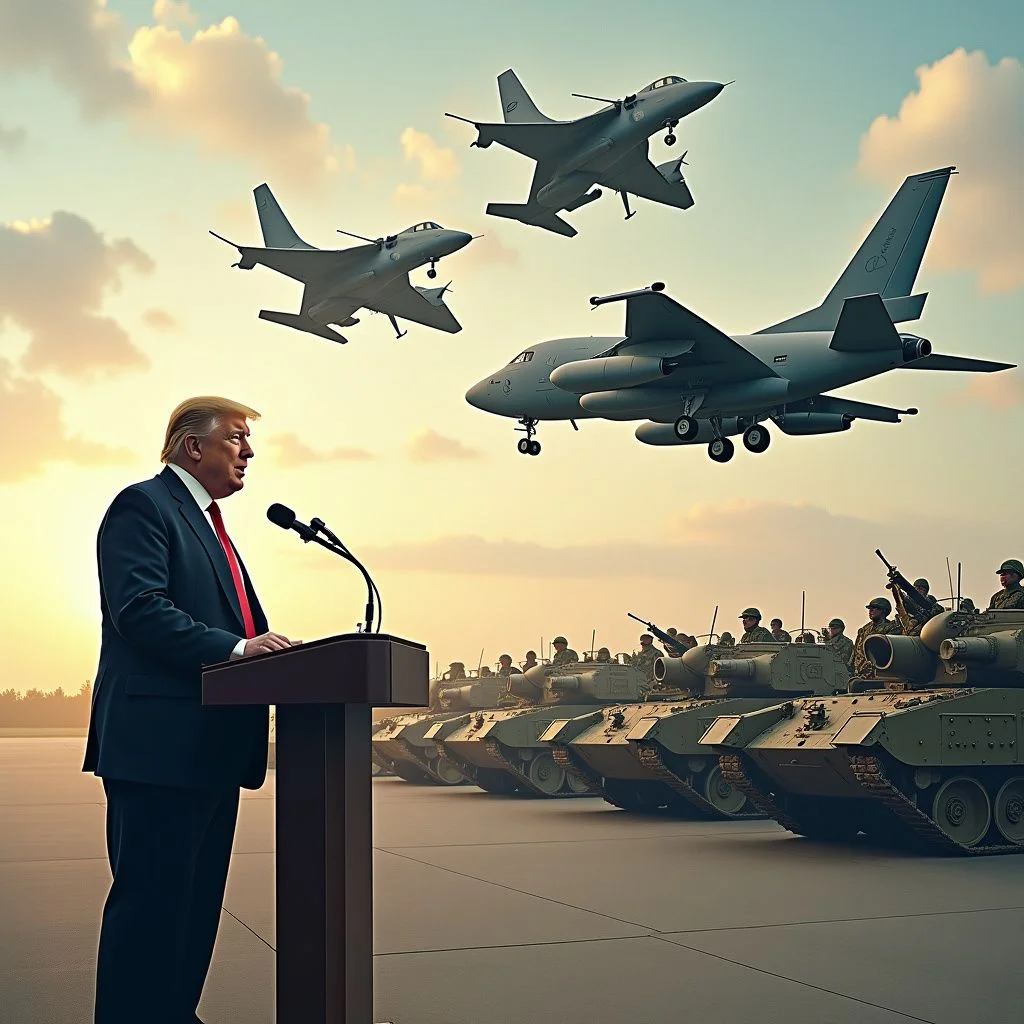
Donald Trump promotes peace through force in his National Security Strategy, reinforcing a militaristic approach to safeguard US interests. His bet on military power over soft power distances him from potential allies and does not guarantee security against current threats. His aggressive policies generate tensions with the European Union and cause an increase in military spending, weakening the welfare state. Trump seeks to maintain the global status quo, ignoring peaceful alternatives. The president’s decisions reinforce the hegemonic vision of the US, distancing itself from international cooperation and generating conflicts.
Chinese Export Controls on Cathode Technology: Why the EU Needs to Enhance Supply Chain Transparency
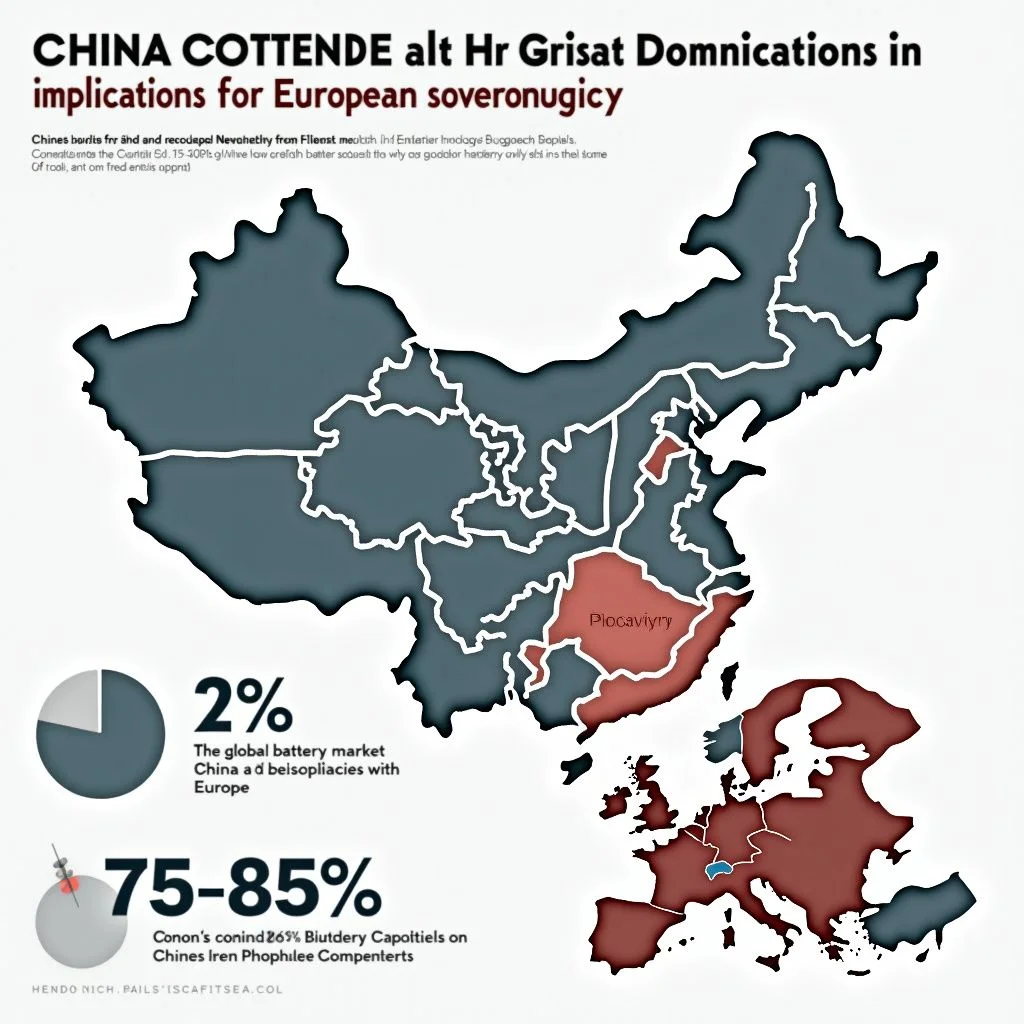
The EU must increase visibility in lithium iron phosphate cathode technology supply chains, as China controls lithium iron phosphate cathode technology and dominates the battery market. McKinsey estimates that by 2030, Europe and North America will have between 5% and 10% of global battery production. The 2025 battery technology export restrictions impact European energy storage sovereignty. China seeks to maintain its dominance in battery value chains to exploit dependencies.
Navigating Strategic Challenges

The second Trump term has put Germany in a difficult strategic position, questioning the reliability of the US as a security ally. This affects transatlantic defense industrial relations and generates concerns over European dependence on the US. Germany faces the dilemma of balancing the rapid acquisition of defense capabilities with the strengthening of its defense industries. It is proposed to reduce dependence on the US, promote European autonomy and promote European procurement in defense acquisition processes.