
Strengthening Latino Entrepreneurs in a Volatile Federal Policy Environment
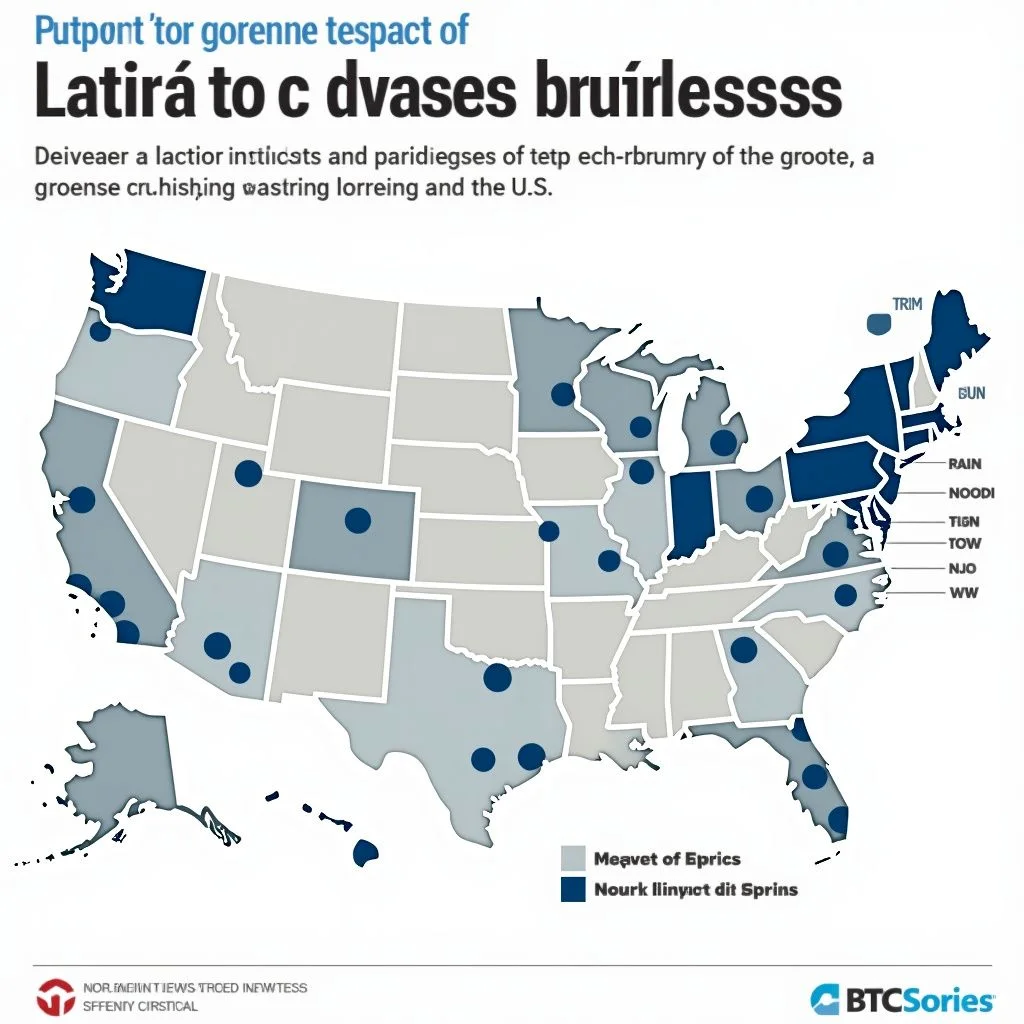
Latin American entrepreneurs in the United States experience a record growth in their businesses, generating jobs and economic vitality. However, the volatility of government policies, such as changes in tariffs, immigration, and federal programs, threatens this growth by creating instability and uncertainty, especially for small businesses.
Thailand and Cambodia: Trump-Mediated Truce and Tariffs
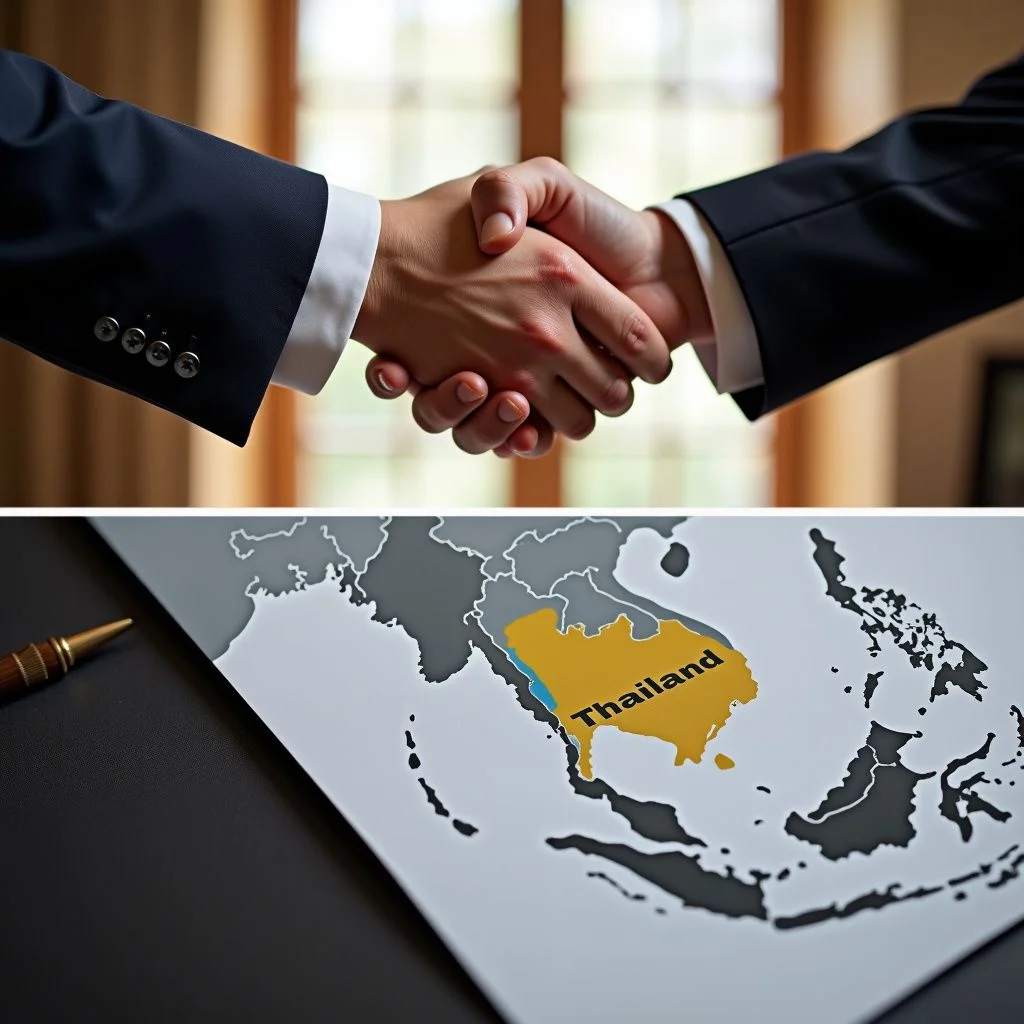
During his visit to Asia, Donald Trump mediated an agreement between Thailand and Cambodia in Kuala Lumpur, highlighting a step towards peace with a ceasefire and new trade agreements. Tariffs of 19% were set for certain mutual exports and Thailand agreed to reduce barriers in sectors such as medical products and food, in exchange for trade benefits with the United States. Cambodia had similar commitments, although border tensions and criminal activities persist. China felt excluded from the mediation.
The Two Faces of the Global Economy: Resilience vs Fragility
The global economy shows resilience thanks to Southeast Asia’s dynamism, energy stability and technology investment. The United States grows more than expected, but faces global financial and fiscal risks. Geopolitical uncertainty anticipates a weaker expansion. IMF and World Bank meetings reflect a multipolar economic system with technological tensions. Europe and Spain must combine stability, innovation and social cohesion in a context of uncertainty and citizen discontent.
Can the World Trade Organization survive with tariffs, multilateral agreements, and ideals?
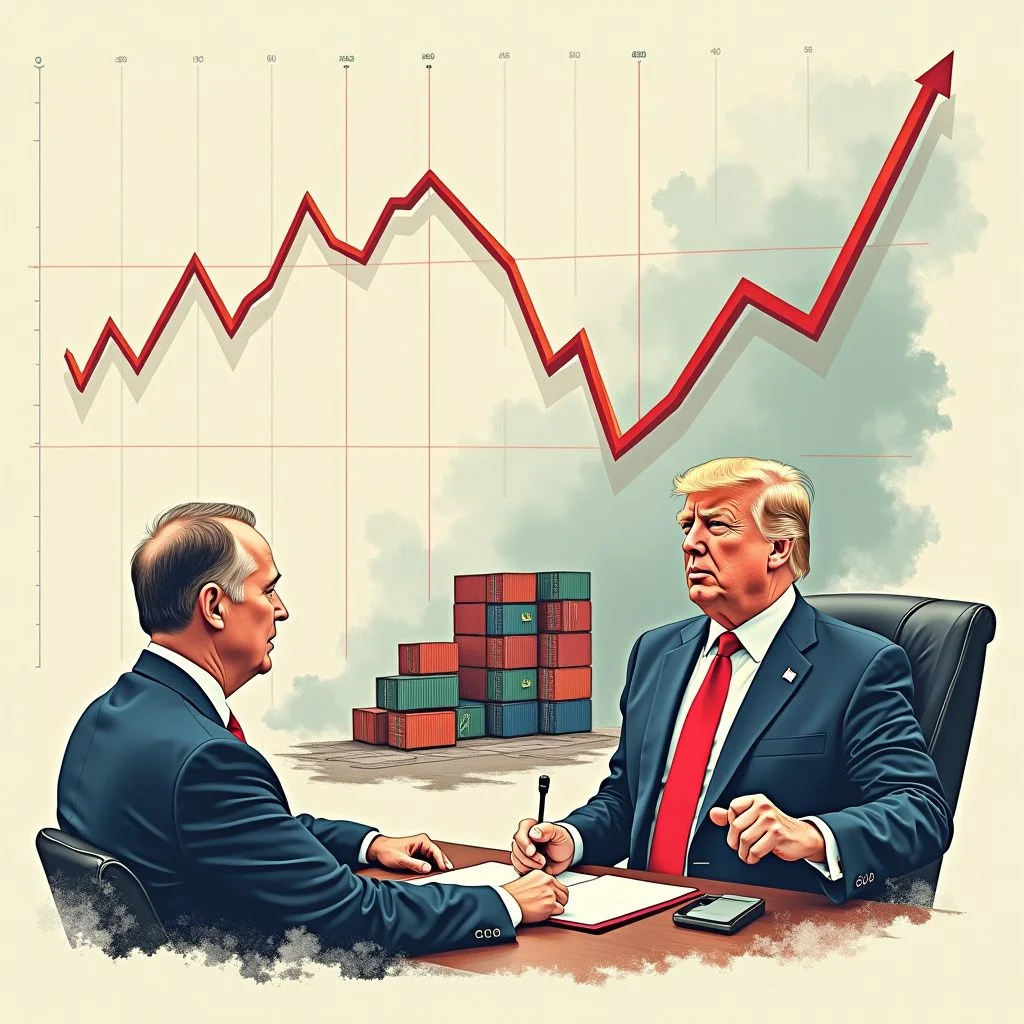
During his second term, Donald Trump weakened the WTO by imposing unilateral tariffs and signing selective agreements, challenging fundamental principles of the organization such as non-discriminatory commercial liberalization. The relevance of the WTO had already been affected and its adjudicative function weakened since 2019.
Rising Tensions between US and China over Rare Earths: Sign of Imminent Decoupling
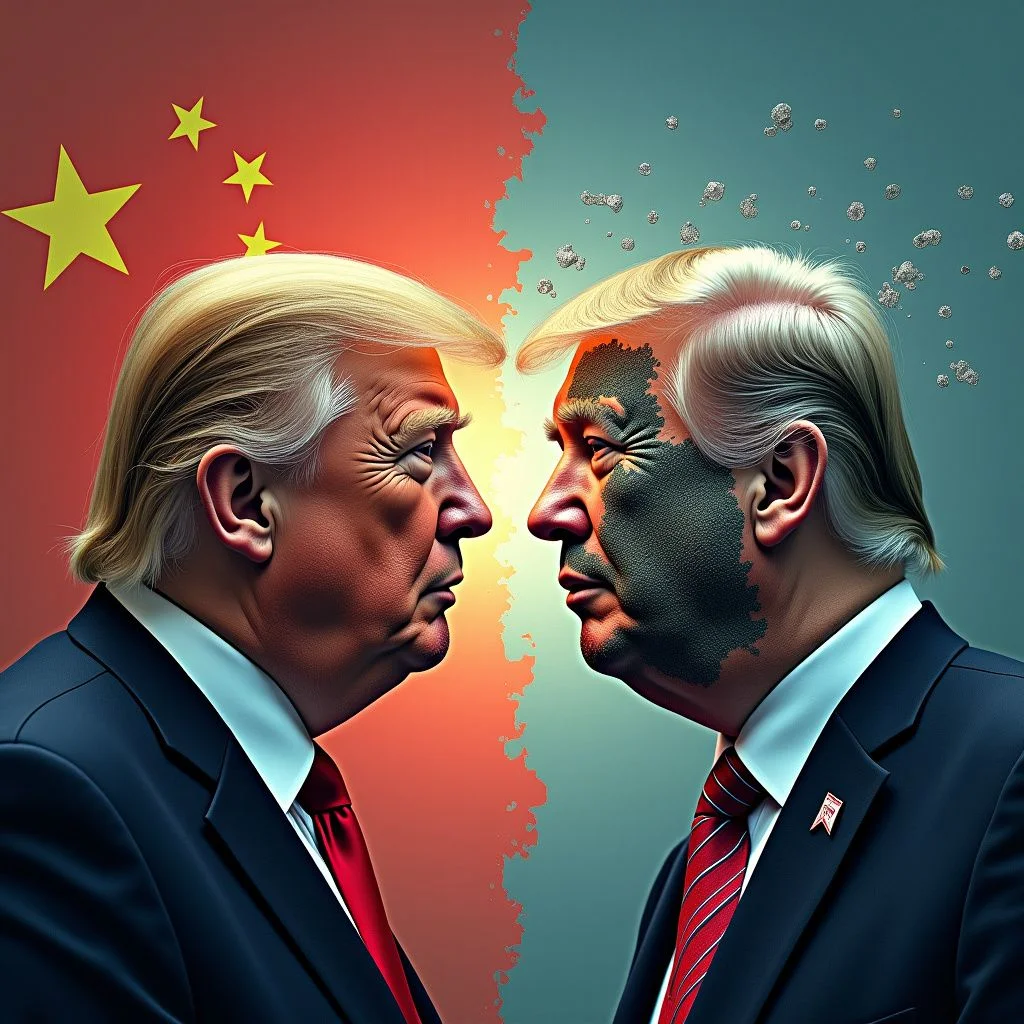
Tensions between the US and China over rare earths, with new Chinese export measures and Trump’s tariff threats, cause losses of over $1.5 billion in two days and put the APEC summit at risk. China controls 85-90% of the global rare earth processing capacity, essential for the supply chain, affecting sectors such as defense, semiconductors and electric vehicles, and companies like Boeing, Nvidia and Tesla, accelerating decoupling.