
The Impact of Quantitative Easing on Post-COVID Housing Inflation
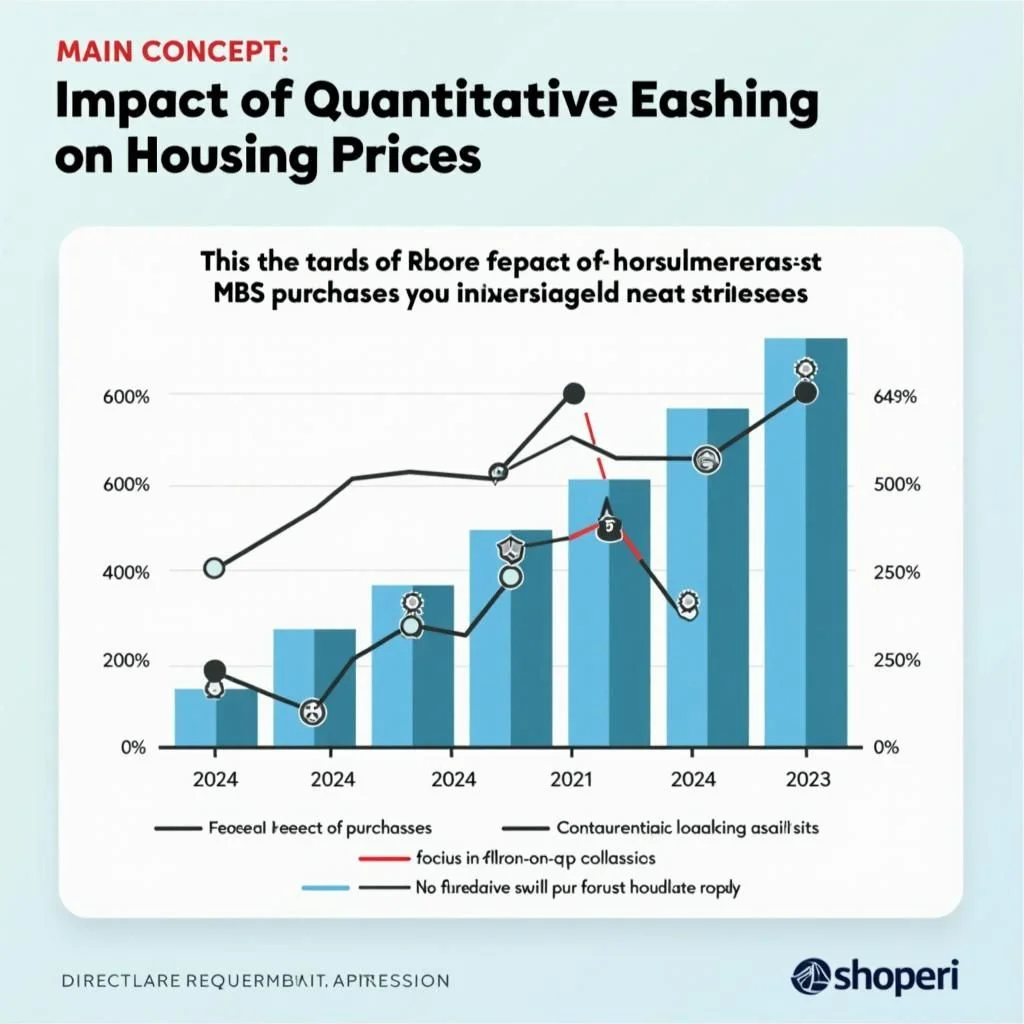
The Federal Reserve’s quantitative easing (QE) between 2020 and 2022, with $1.33 trillion in mortgage-backed securities purchases, significantly boosted U.S. housing prices, contributing to overall inflation. Housing inflation persists, reaching 5% in 2024 and 4% in 2025, defying expectations and raising the need to rethink the impact of the Fed’s actions on housing values.
China’s AI-Driven Surveillance Revolution

Artificial intelligence is transforming surveillance and security in China, with a massive IA-controlled system replacing tasks of human police officers and managing data from command centers. IA-controlled robots could arrest dissidents. At all levels, IA is integrated into the country’s security system, and the Chinese Communist Party seeks to reduce human involvement.
Strengthening Democracy from the Grassroots: The Role of Political Parties in Ghana’s Democratic Progress.

Political parties in Ghana have contributed to democratic progress, but grassroots activists, who practice vote buying, electoral roll manipulation and electoral violence, are a source of democratic weakness. Although reform efforts have been made, it is necessary to strengthen democracy at the grassroots level.
Why is a shorter timeline for forgiveness beneficial for borrowers with low or no remaining balance in student loans?

The reduction of the forgiveness timeline for student loan borrowers with low balances benefits those struggling to pay off small debt. The approach is cost-effective and addresses debt aversion, limiting excessive indebtedness. Although multiple repayment timelines add complexity, a shorter horizon could be low-cost and benefit low-income borrowers, requiring further analysis to quantify these trade-offs.
The One Big Beautiful Bill Acts SNAP cuts threaten recession recovery efforts.
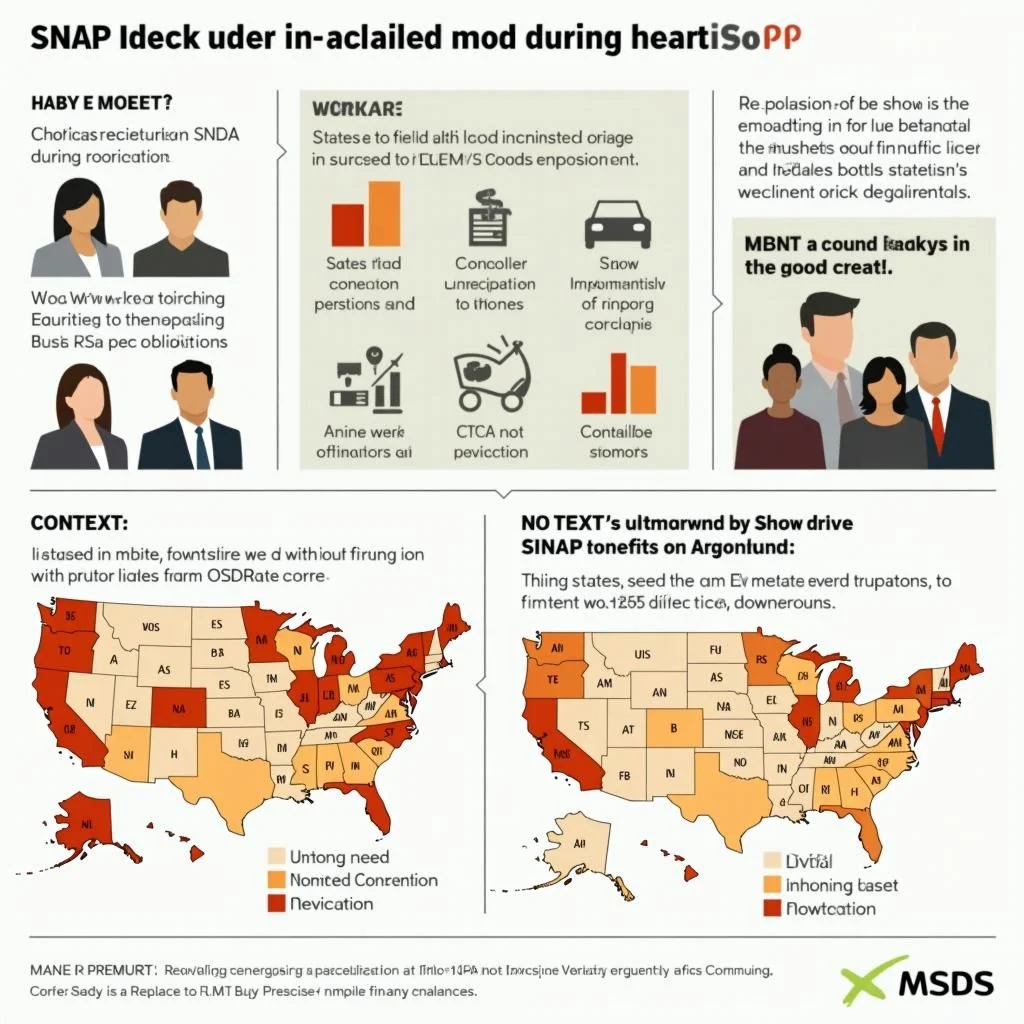
The One Big Beautiful Bill Act will significantly cut the SNAP program, limiting its responsiveness during recessions by shifting costs to states and altering work requirements. This will negatively impact unemployed workers and the local economy, hindering SNAP’s ability to function as an automatic stabilizer during economic crises. Many states may reduce or even end their participation in the program. It is suggested to reverse the cuts and new regulations to maintain SNAP’s effectiveness as a vital support during times of recession.