
Who Has the Power: Courts, Congress, and Tax Authority

In the last 18 months, courts in three key cases such as Loper Bright Enterprises v. Raimondo and Moore v. United States have shown a recalibration of the balance of tax authority, setting new parameters in the drafting, interpretation, and application of tax rules, generating uncertainty in taxation.
Crunch Time in Qatar: Crisis between Gulf and Israel
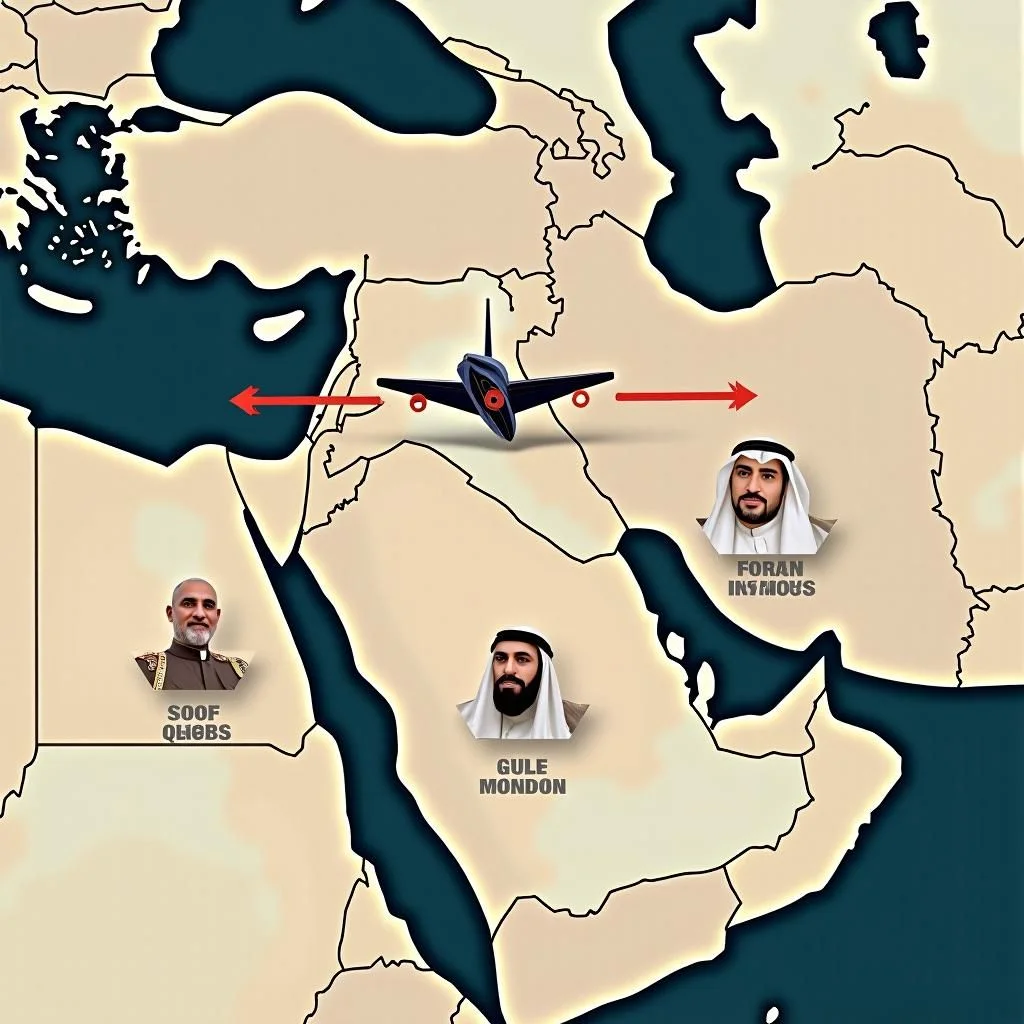
The Israeli bombing in Doha strains the Abraham Accords and trust in the US between Israel and the Gulf monarchies, increasing risks due to Israel’s unilateral military stance and affecting stability in the Middle East.
Nepal: Generation Z Leads Protests Against Government

In Nepal, Generation Z leads protests over the shutdown of social platforms, which turn violent and cause the downfall of the Kathmandu government. The demonstrations, led by supporters of the monarchy, demand its restoration due to political corruption and youth unemployment. The violent unrest, with fires and ministerial resignations, ends with the intervention of the army, but the political crisis persists.
Thailand: The Post-Shinawatra Future Between Crisis and Alliances
The ousting of Paetongtarn Shinawatra and the rise of Anutin Charnvirakul as Prime Minister of Thailand creates a fragile political balance between conservatives, military, and progressives. Political conflicts, unexpected alliances, and an economic crisis mark the scene, in addition to a head-on conflict with Cambodia. Thaksin Shinawatra returns to the country and the struggle for power intensifies.
Regulating Interest: No Matter the Name, It Should Be Done Fairly

The article warns about the regulation of interest in cryptocurrencies by the GENIUS Act. Stablecoins, such as USDC, offer rewards instead of interest to evade regulation, posing risks to investors and financial stability. It suggests stricter regulation to avoid crises and protect users, comparing it to past failures in financial regulation, such as money market mutual funds.