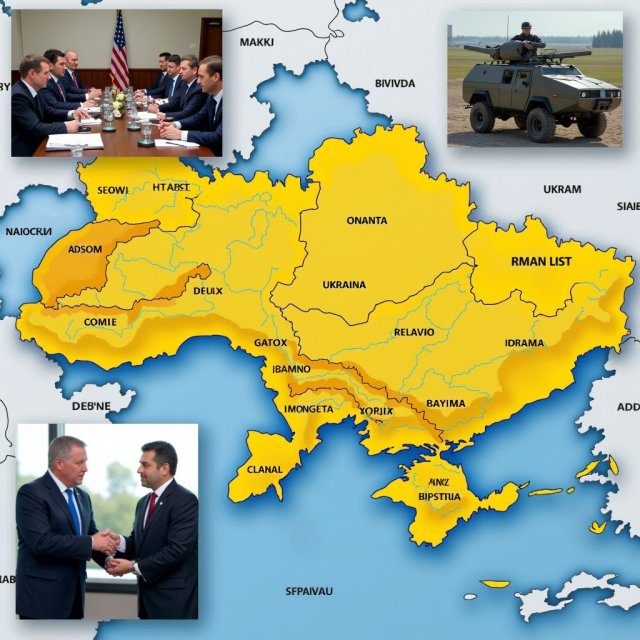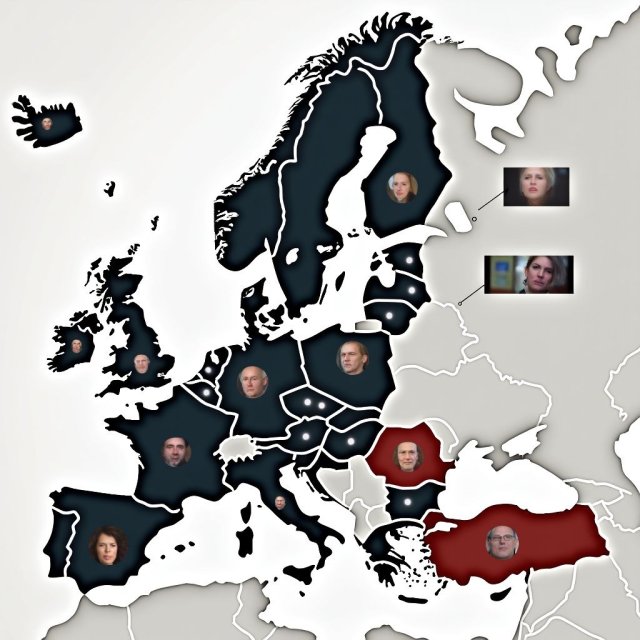
Since 2022, national cohesion in Europe has been crucial in facing the Russian threat and supporting Ukraine, and fiscal pressure and defence spending increases make it difficult to meet social expectations. External actors such as Russia and the United States undermine this cohesion. Strong leadership and comprehensive responses from political elites and civil society, along with good governance and strong institutions, are needed to counter these influences.
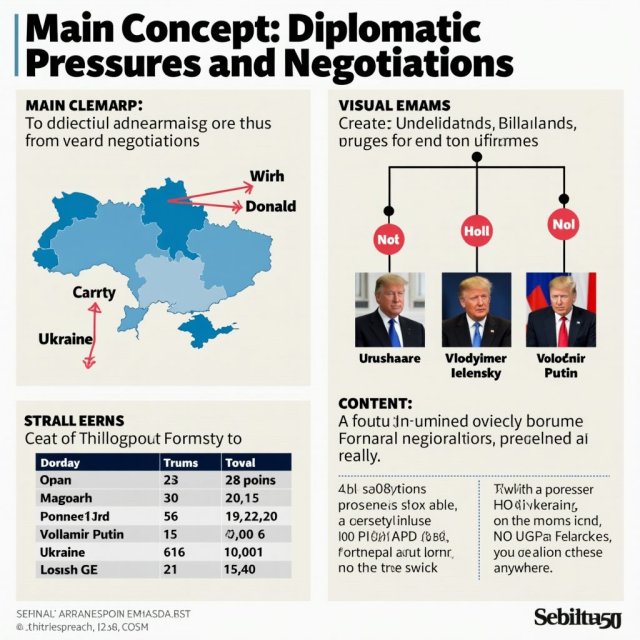
The White House is pushing for a quick agreement in Ukraine while the Kremlin increases pressure and Europe remains on the sidelines. Kiev negotiates in weakness between corruption scandals and fear of yielding to Putin. Tensions escalate in a crucial week, with the United States seeking an end to the conflict through an agreement that could involve territorial concessions. Europe is relegated, expressing frustration and concern over its lack of influence.

Europe needs an agreement with Ukraine to counter Russian influence. The US and Russia’s proposal ignores Ukraine and Europe. The US’s lack of clarity on its goals and Trump’s priority of ending the war complicate the situation. Russia seeks economic benefits at Ukraine and Europe’s expense. Putin aims to weaken the relationships between the US, Ukraine, and Europe, seeking submission.
Frozen Russian funds are a key economic tool in peace negotiations between Russia and Ukraine, mainly in European countries. The EU and US seek to manage them to influence Russia, generating tensions and crucial decisions for continental stability and security, especially in the face of Ukraine’s need for financing.