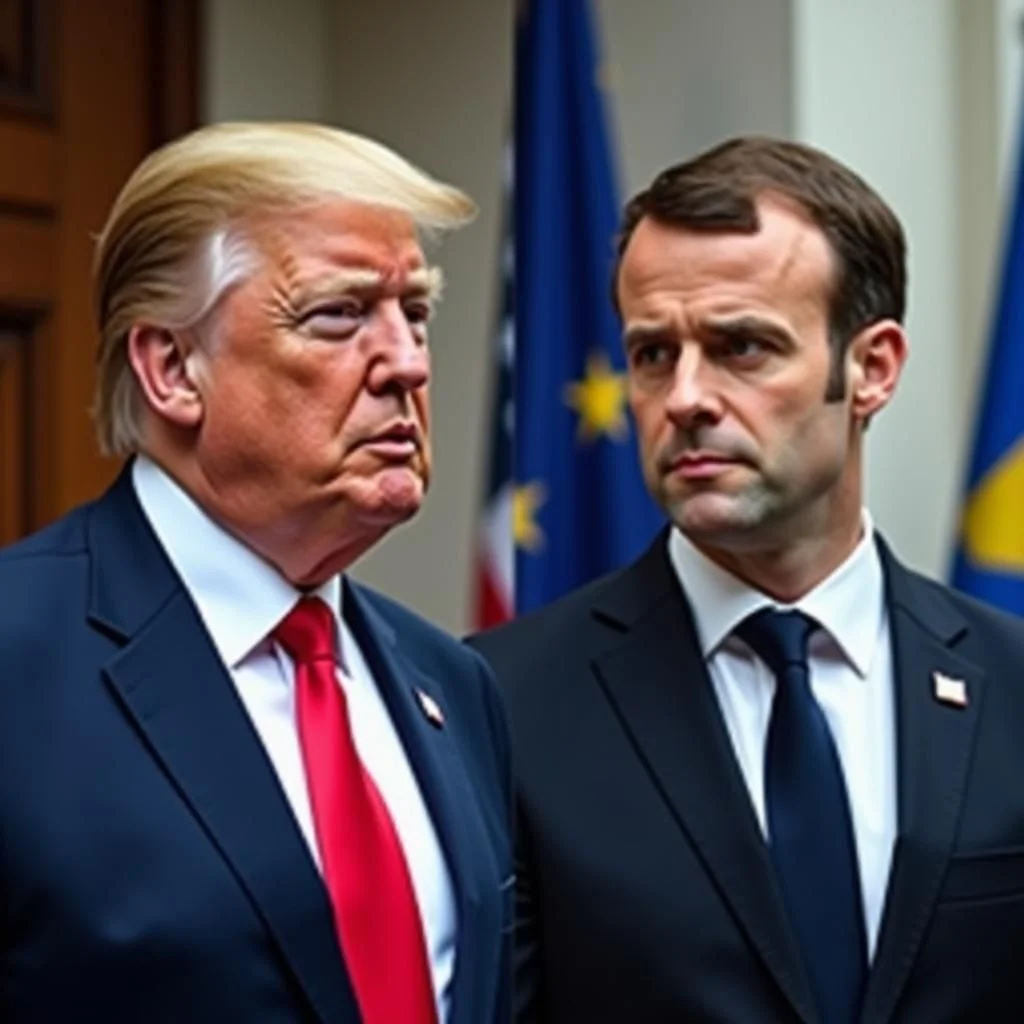
Three days before the highly anticipated summit with Putin in Alaska, Trump receives Zelensky and European leaders at the White House to discuss the future of the conflict. Shortly after meeting with Vladimir Putin in Anchorage, President Donald Trump is preparing to meet with his Ukrainian counterpart Volodymyr Zelensky and several European leaders, including European Commission President Ursula von der Leyen and NATO Secretary-General Mark Rutte, at the White House. In Ukraine, many fear that the White House will witness a new spectacular failure, similar to Zelensky’s visit in February, which ended in an episode of bullying by Trump and Vice President JD Vance against their Ukrainian counterpart.
After the summit with Putin, Trump has moved closer to Russian positions. All prospects of a ceasefire as a first phase have disappeared, in favor of the “global peace” advocated by Moscow, the contours of which are what most frighten the Ukrainians. Not to mention the threat of “paralyzing sanctions,” which Trump has been venting for weeks if Putin does not accept a truce within the established times.
European partners will urge Trump to specify what security guarantees will be provided to Ukraine in response to Russian demands to cede some territories to reach a global truce. The US has been the largest supplier of arms to Kiev throughout the duration of the conflict. In addition to the Ukrainian head of state and leaders of the EU and NATO, Trump will also meet with French President Emmanuel Macron, German Chancellor Friedrich Merz, British Prime Minister Keir Starmer, and Finnish President Alexander Stubb. Italian Prime Minister Giorgia Meloni will also be present, who has had several videoconferences with her colleagues from the “coalition of willing” in recent days.
The arrival of European leaders at the presidential residence is scheduled for noon (6:00 PM in Italy). Trump will meet face-to-face with Zelensky at 1:15 PM (7:15 PM in Italy) and an hour later, approximately, the European leaders. The day will conclude with a multilateral meeting with all the guests, when it will be 9:00 PM in Italy. Zelensky and European leaders have hastened to find common ground with the United States over the weekend, after Trump withdrew his request for an immediate ceasefire after meeting with Russian President Putin in Alaska on Friday.
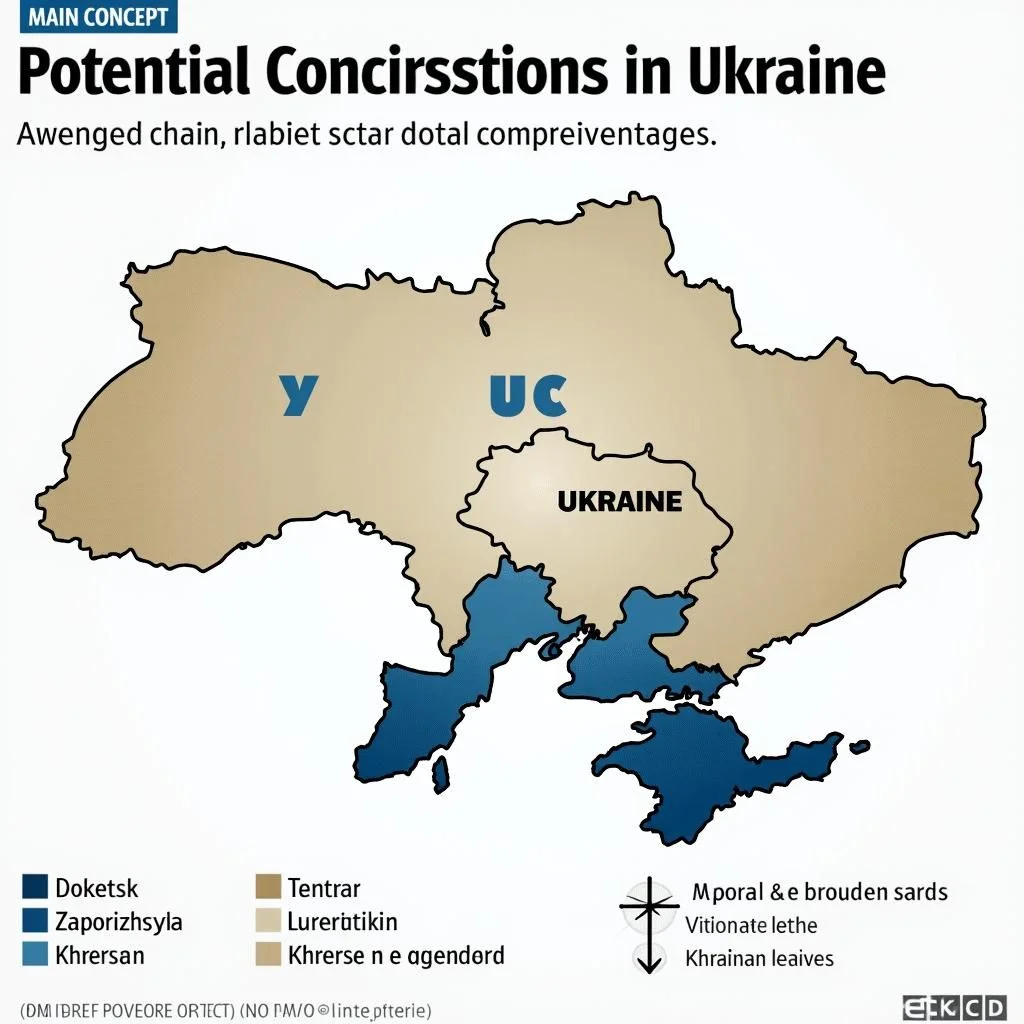
The center of the summit is the hypothesis of a permanent ceasefire, concurrent with the search for a global solution, and the security guarantees for Kiev. In the background of the meetings in Washington remains the complex issue of the “territory exchange”. They will discuss the possible cession of Ukrainian territories. The hypothesis that has been circulated with the most insistence in recent days provides that Ukraine cede control of the Donetsk and Luhansk regions, where Moscow already holds most of the territory, in exchange for a suspension of Russian offensives in the Zaporizhzhia and Kherson regions. However, it is not clear if Russia is willing to cede territory in Zaporizhzhia or other areas, as these regions guarantee Moscow a strategic land corridor to the occupied and annexed Crimean peninsula, which has been under Russian control for over a decade.
Trump wrote on Truth: “Zelensky can end the war with Russia almost immediately, if he wants, or he can continue to fight.” He then added: “Remember how it started. It’s not possible to get back the Crimea ceded by Obama (12 years ago, without a shot being fired!) and it’s not possible for Ukraine to enter NATO. Some things never change!!!”.
In light of these declarations, the main theme of the meetings could be the security guarantees for Kiev. Europeans insist that Ukraine become a “steel porcupine,” integrated into the Euro-Atlantic security system, and that the necessary pressure be maintained on Moscow through sanctions. The idea could be to provide Kiev with “protections similar to Article 5,” which enshrines mutual defense within NATO, without Ukraine officially joining the Alliance.
The “all or nothing” line adopted by Trump could be easily sabotaged by malicious individuals or used to obtain the maximum concessions. The Ukrainian position is clear: a ceasefire should precede a general agreement to freeze or end the conflict, not be part of it.
Europe tries to show unity and firmness, accompanying Zelensky with its leaders to this fundamental summit with Trump. It does so as a demonstration of solidarity and, also, to protect the Ukrainian President, after the disastrous meeting with Trump and Vance in February. But it also does so to highlight how it is doing its part with respect to that fundamental variable – the credible security guarantee to Ukraine and its sovereignty – without which no peace equation can be truly complete. However, this part alone, for the moment and for the near future, cannot be enough; it must be integrated with a complementary US commitment. A commitment, this, that for the moment does not seem to exist, net of Trump’s occasional and vague statements.
Three days before the discussed summit with Putin in Alaska, Trump receives Zelensky and European leaders at the White House to discuss the future of the conflict. Shortly after the meeting with Vladimir Putin in Anchorage, American President Donald Trump is preparing to meet with Ukrainian counterpart Volodymyr Zelensky and several European leaders, including European Commission President Ursula von der Leyen and NATO Secretary-General Mark Rutte. In Ukraine, many fear that a new spectacular failure will occur at the White House, similar to the visit of Zelensky in February, which ended in an episode of bullying against the Ukrainian counterpart by Trump and Vice President JD Vance.
After the summit with Putin, Trump has clearly moved closer to Russian positions. Every prospect of a ceasefire as a first phase has disappeared, in favor of the “global peace” advocated by Moscow, whose contours are what most scares Ukrainians. Not to mention the threat of “paralyzing sanctions,” which Trump has been venting for weeks if Putin does not accept a truce within the established times.
European partners will urge Trump to specify what security guarantees will be provided to Ukraine in the face of Russian demands to cede some territories to reach a global truce. The US has been the largest supplier of arms to Kiev throughout the duration of the conflict. In addition to the Ukrainian head of state and leaders of the EU and NATO, Trump will also see French President Emmanuel Macron, German Chancellor Friedrich Merz, British Prime Minister Keir Starmer, and Finnish President Alexander Stubb. Italian Prime Minister Giorgia Meloni will also be present, who has had several videoconferences with colleagues from the “coalition of the willing” in recent days.
The arrival of European leaders at the presidential residence is expected at noon (6:00 pm in Italy). Trump will meet face-to-face with Zelensky at 1:15 (7:15 pm in Italy) and about an hour later, the European leaders. The day will conclude with a multilateral meeting with all the guests, when it will be 9:00 pm in Italy. Zelensky and European leaders have hastened to find common ground with the United States over the weekend, after Trump withdrew his request for an immediate ceasefire after meeting with the Russian president in Alaska on Friday.
At the center of the summit are the hypotheses of a permanent ceasefire, concurrent with the search for a global solution, and security guarantees for Kiev. In the background of the meetings in Washington, the complex issue of “territory exchange” remains. The possible cession of Ukrainian territories will be discussed. The hypothesis that has been circulating with greater insistence in recent days provides that Ukraine cede control of the Donetsk and Luhansk regions, where Moscow already holds most of the territory, in exchange for a suspension of Russian offensive operations in the Zaporizhzhia and Kherson regions. However, it is not clear if Russia is willing to cede ground in Zaporizhzhia or other areas, as these regions provide Moscow with a strategic land corridor to Crimea, occupied and annexed illegally by the Russian Federation over a decade ago.
Trump wrote on Truth: “Zelensky can end the war with Russia almost immediately, if he wants, or he can continue to fight.” He then added: “Remember how it started. It’s not possible to get back the Crimea ceded by Obama (12 years ago, without a shot being fired!) and it’s not possible for Ukraine to enter NATO. Some things never change!!!”
In light of these statements, the main theme of the meetings could be the security guarantees for Kiev. Europeans insist that Ukraine become “a steel porcupine,” integrated into the Euro-Atlantic security system, and that necessary pressure be maintained on Moscow through sanctions. The idea could be to provide Kiev with “protections similar to Article 5,” which establishes mutual defense within NATO, without Ukraine officially joining the Atlantic Alliance.
Trump’s “all or nothing” line could be easily sabotaged by malicious individuals or used to obtain maximum concessions. Ukraine’s position is clear: a ceasefire should precede a general agreement to freeze or end the conflict, not be part of it.
Europe is trying to show unity and firmness, accompanying its leaders to this fundamental summit with Trump. It does so as a demonstration of solidarity and, also, to protect the Ukrainian President, after the disastrous meeting with Trump and Vance in February. But it also does so to highlight how it is doing its part regarding that fundamental variable – the credible security guarantee to Ukraine and its sovereignty – without which no peace equation can be truly complete. However, this part alone for the moment, and in the near future, cannot suffice; it must be integrated with a complementary US commitment. Commitment, this, which for the moment does not seem to exist, net of Trump’s occasional and vague statements.