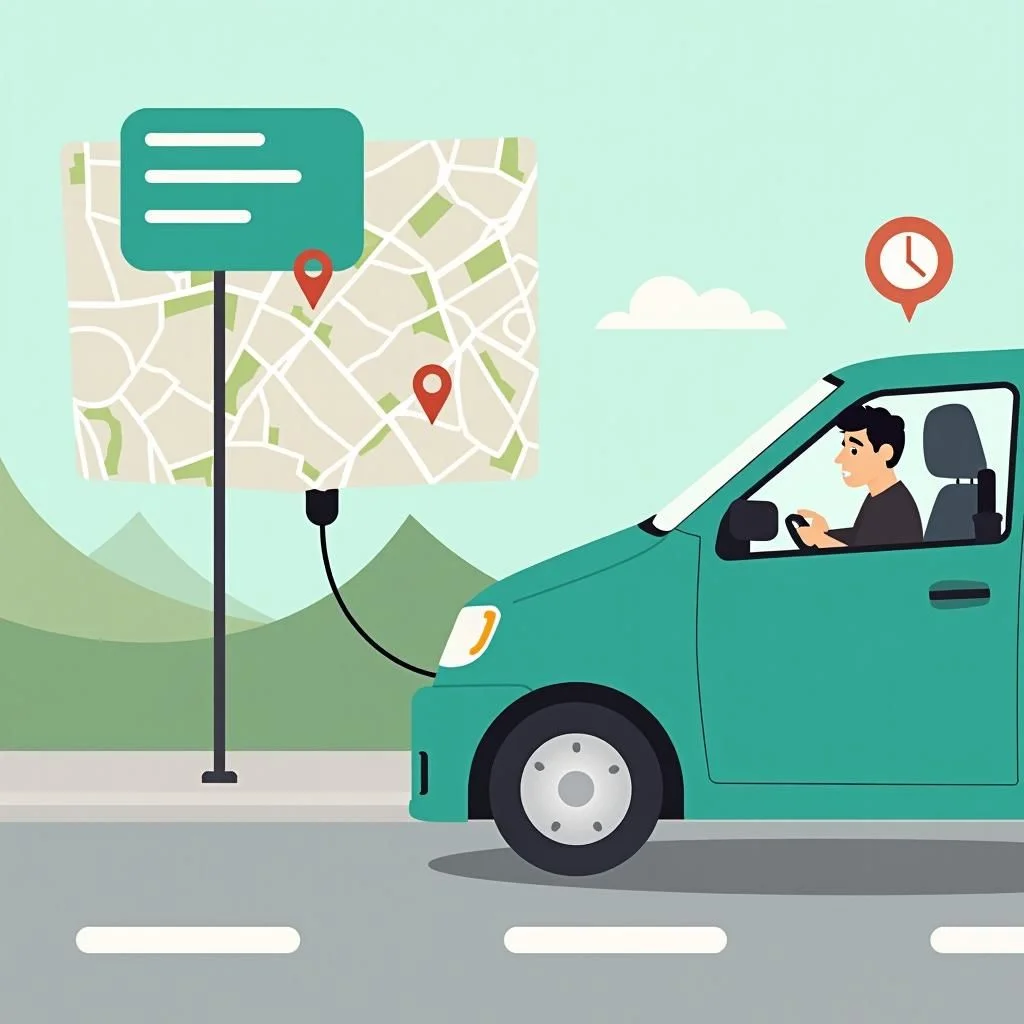
Electric vehicle (EV) adoption faces a significant challenge: the lack of real-time data on the availability and functionality of public charging stations. This uncertainty is a major obstacle for EV drivers, especially during long road trips. Despite advancements in EV technology that have extended driving ranges, the absence of reliable information about charging stations exacerbates range anxiety. EV mapping apps, which are designed to help drivers locate charging stations, often fall short because they lack critical real-time data. This is due to some major charging network operators not sharing real-time information with third-party platforms, creating “data deserts”—routes where drivers have no reliable information about the status of chargers.
Across six major interstates and 40 states, only 34% of charging stations provide real-time status data to leading EV mapping apps. These data deserts can span up to 1,308 miles, leaving drivers in the dark about the availability and functionality of charging stations along their routes. This lack of information not only causes inconvenience but also hampers the wider adoption of EVs.
Proposed Solution
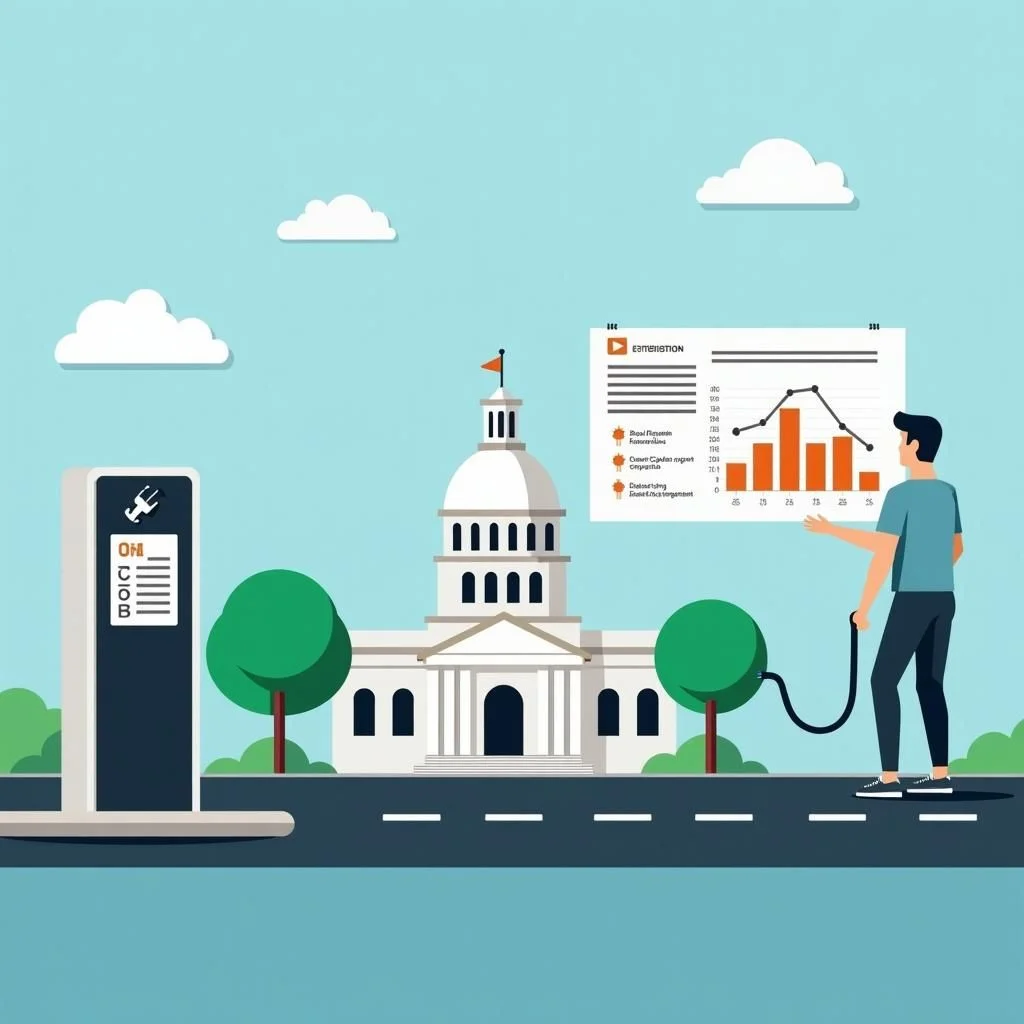
To address this issue, a proposed solution is for states to enact laws requiring fast chargers to report real-time status data that can be accessed by any EV mapping app. This approach would allow EV drivers to reliably navigate to working and available chargers, making the most of existing charging infrastructure and new chargers in the pipeline. The proposal does not require new investments but rather mandates that charging networks provide open data on the status and availability of their chargers, as well as pricing information. This aligns with the rules laid out for chargers funded by the Bipartisan Infrastructure Law.
Using a two-sided model that considers both consumer vehicle purchase decisions and charging station deployment patterns, it is estimated that universal real-time data sharing for highway fast chargers could increase the EV share of new vehicle sales by 6.4 percentage points annually by 2030. This would raise the EV share of new vehicle sales from 40% to 46% in 2030, resulting in an additional 3.5 million EVs on the road by that year. The increased EV adoption would also lead to a reduction in carbon emissions by 15 million metric tons in 2030 alone.
State-Level Requirements
Given the current federal policy landscape, state-level requirements represent the most viable pathway to implementing this proposal. There are 28 states, including those in the “Battery Belt” receiving substantial EV manufacturing investment and states that have adopted California’s Zero Emission Vehicle standards, that should be interested in supporting EV adoption. These states represent 67% of the nation’s registered vehicles, providing sufficient market force to push for broader compliance.
Model Legislation
The proposal includes model legislation for states that wish to establish common real-time data disclosure standards. This would create a standardized network across the board, ensuring that all EV drivers have access to reliable, real-time information about charging stations. By implementing these standards, states can facilitate the growth of EV adoption, reduce range anxiety, and contribute to a more sustainable transportation future. This next-to-no-cost policy lever can significantly enhance the efficiency and reliability of EV charging infrastructure, making it a practical and effective solution for promoting EV adoption.