
Strength through Deterrence: Why Europe Needs Missiles
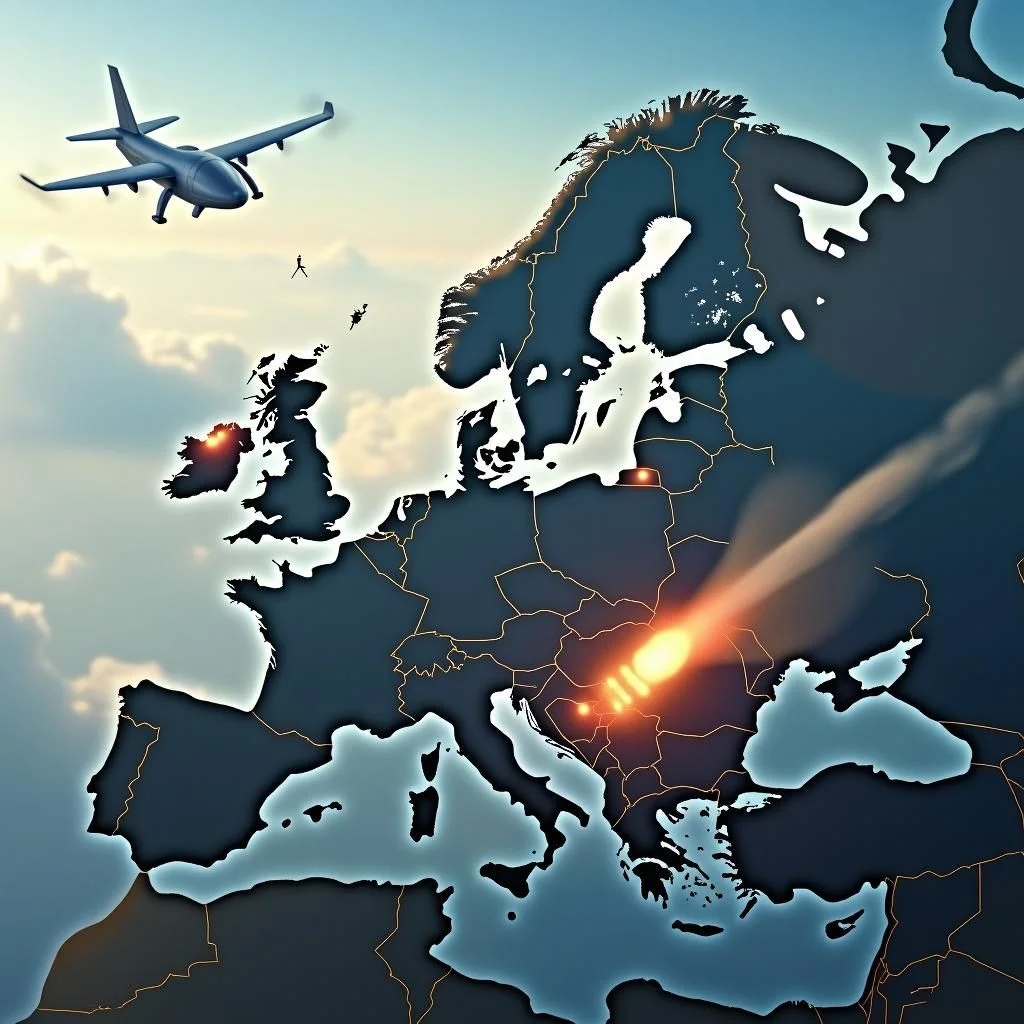
Europe needs a missile deterrent in the face of the growing threat from Russia, which demonstrated its military capabilities in 2025 with attacks on Ukraine. European air defense is insufficient to intercept large waves of missiles and drones, and Russia’s mass production of precision weaponry challenges European security. The need to invest in integrated air and missile defense systems, increase stocks of advanced missiles, and close technological gaps with the United States is highlighted to strengthen deterrence against potential Russian aggression.
The Collapse of Steward Health Care: Key Lessons Learned
The collapse of Steward Health Care, formed in 2010 by Cerberus Capital Management after buying Caritas Christi, highlights deficiencies in hospital regulation, resulting in fatalities and lack of oversight.
Understanding the Digital Ad Tax
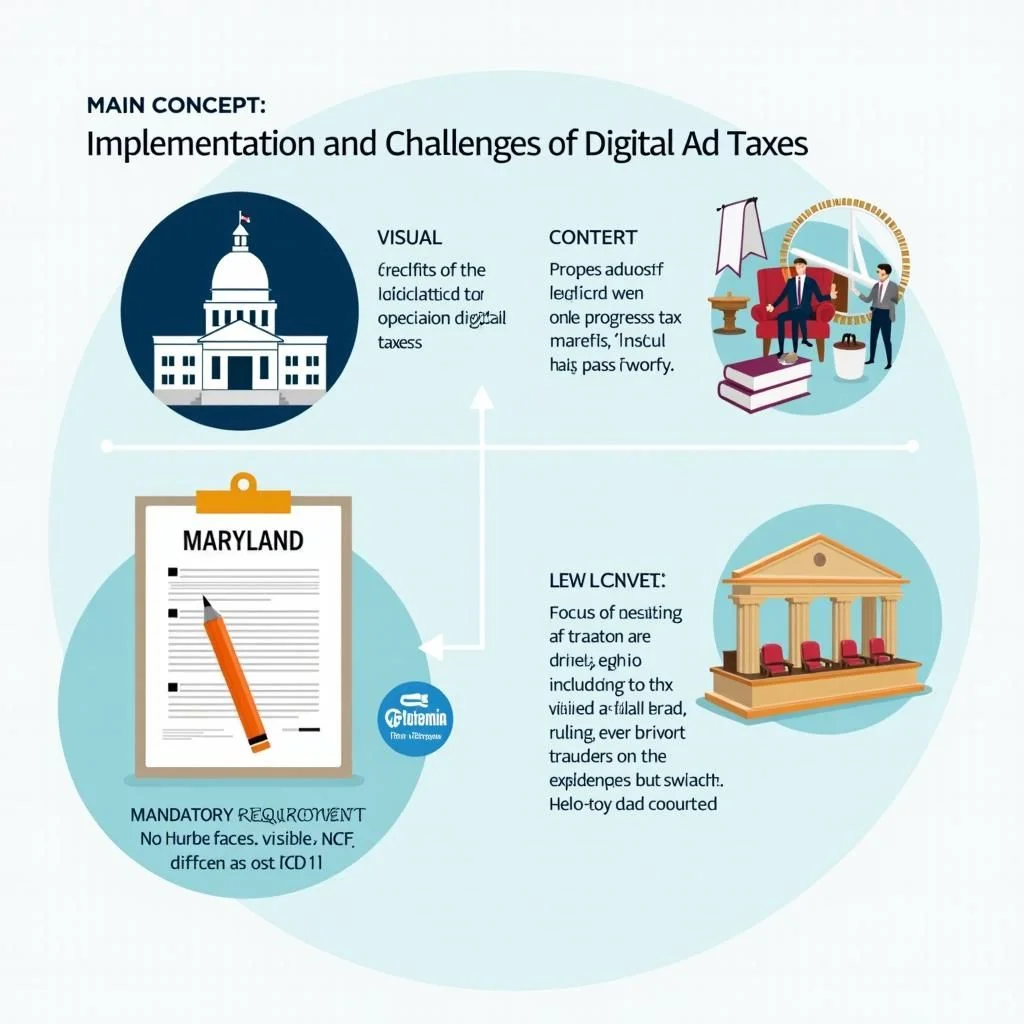
In 2021, Maryland implemented a digital advertising tax for businesses with global revenues over $100 million, facing lawsuits. Globally, several countries have imposed levies on digital services to regulate online platforms and increase government revenues, fostering subscription models.
Exploring the New Global Safe Haven
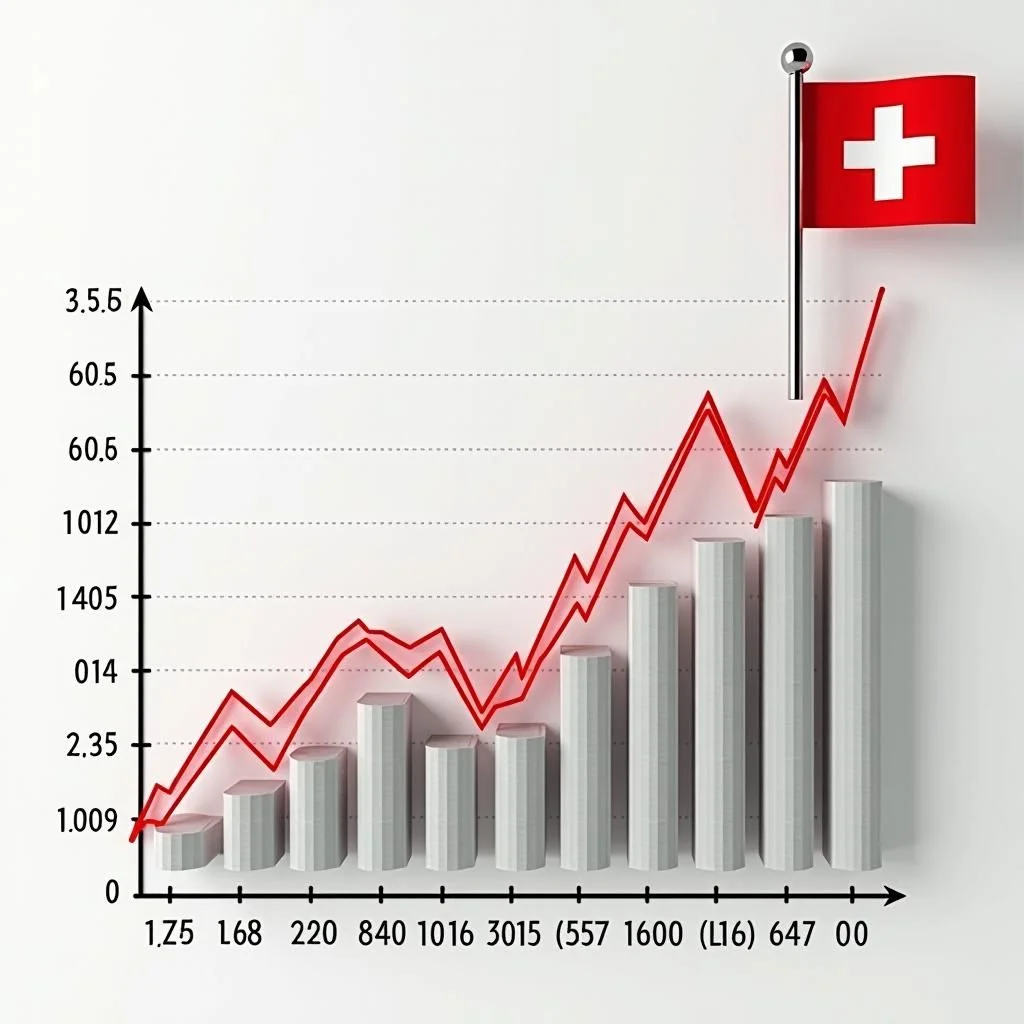
The search for a new global safe haven intensifies with the erosion of the convenience premium in the US. Switzerland emerges as a major safe haven, while the UK and Germany face challenges. Global uncertainty fuels the trend to seek safe-haven assets. The US must consolidate its debt and reduce its fiscal burden.
Nepal Chooses Its First Female Prime Minister on Discord: What It Reveals About Social Media and Democracy
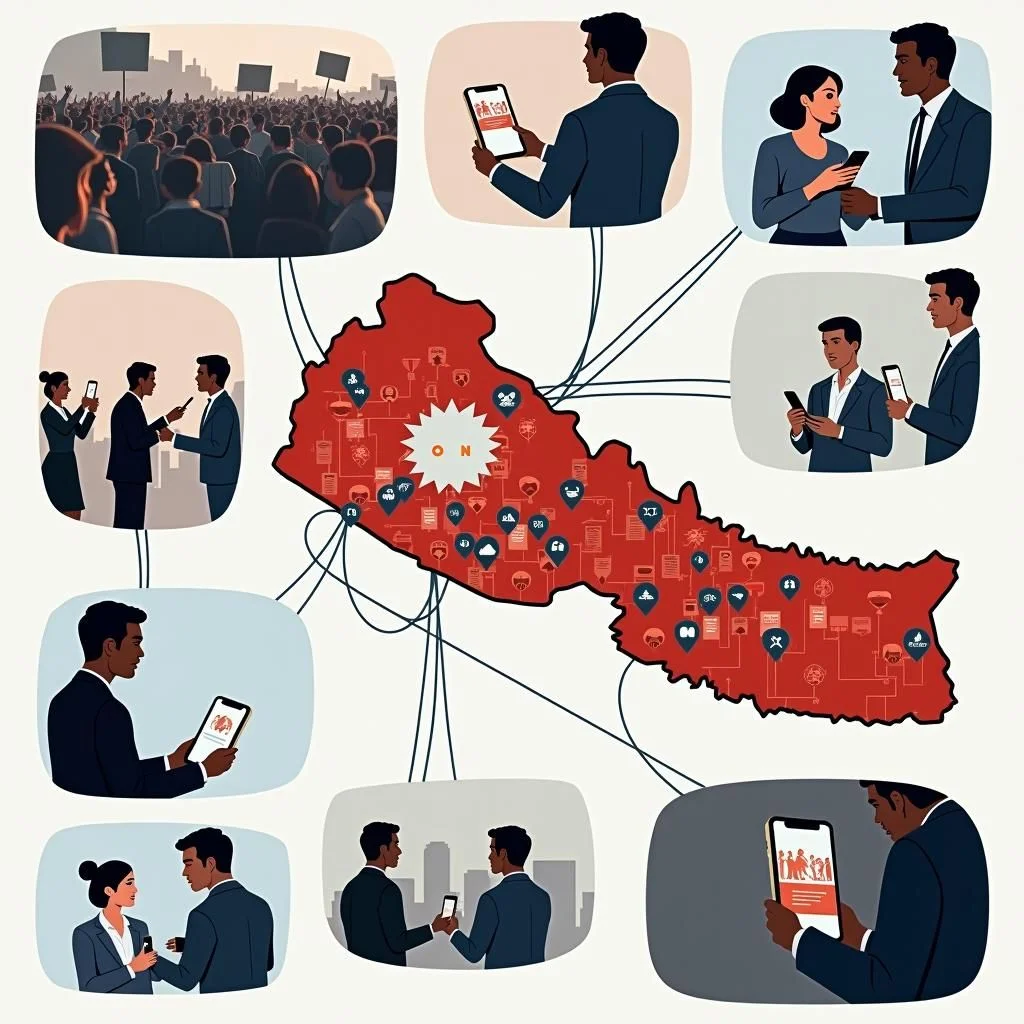
Nepal elected Sushila Karki as prime minister through Discord during protests in 2025, due to the lack of institutional channels and dependence on digital platforms in the political crisis. Social media fragments public conversation, favoring polarization and misinformation. The use of Discord allowed for Karki’s legitimate election. Economic digitization in Nepal responds to the lack of diversification and dependence on remittances. The blocking of social media triggered youth protests, turning Discord into the main space for deliberation and election.