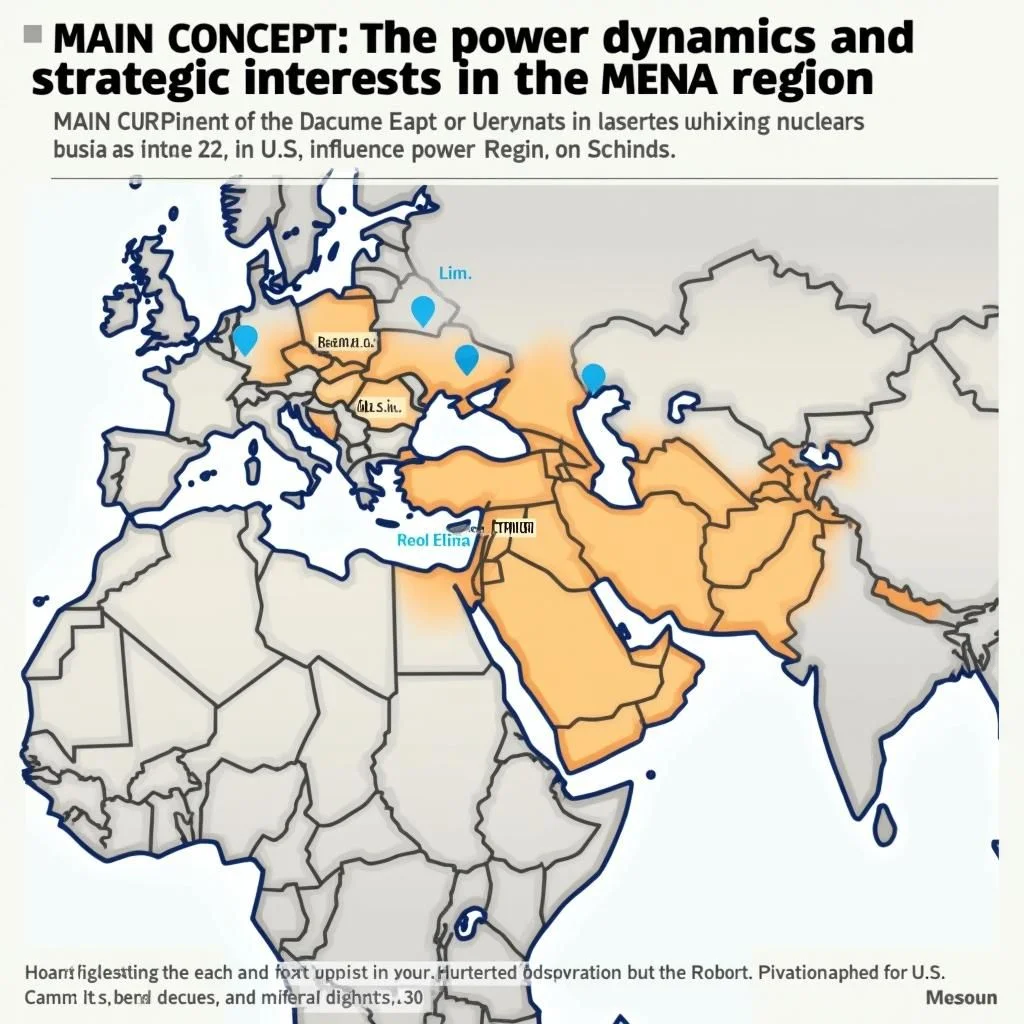
The Middle East and North Africa (MENA) region stands at a critical juncture, marked by significant shifts in power dynamics and internal diversity. The protracted conflict between Israel and Iran, along with the looming threat of Iran’s nuclear program, has long dominated the region’s security landscape. However, recent developments have altered this dynamic. Iran is currently weakened, while Israel has emerged as a more assertive player. The United States remains the most influential global power in the region, but Russia, China, and other nations are rapidly increasing their economic investments and strategic interests in the MENA region.
The region is characterized by a mix of strong states with limited democratic expression and states ravaged by civil conflicts, such as Yemen, Syria, Lebanon, and Libya. Additionally, the impact of an AI-driven economy, climate change, and a tech-savvy youth population adds layers of complexity. These factors contribute to a region in flux, where traditional paradigms and assumptions are being challenged.
The MENA region has long been a focal point for U.S. foreign policy, with decisions made in Washington having direct and profound impacts on the region’s people. However, U.S. policymaking in the Middle East has often been hindered by groupthink, short-term thinking, and a reliance on outdated assumptions. For instance, the assumption that maintaining stable oil markets in the Gulf is the primary U.S. national interest has overshadowed the multifaceted and mature relationships that now exist across Gulf Cooperation Council states. The emergence of new industries and strong defense relationships in the region further complicates this paradigm.
Historical Decisions and Their Impact
Historical decisions, such as the invasion of Iraq in 2003 and the failure to anticipate the Arab Spring, highlight the challenges and pitfalls of U.S. foreign policy in the region. The invasion of Iraq was a disastrous decision, driven in part by flawed intelligence and a misguided belief in the existence of weapons of mass destruction. Similarly, the Arab Spring caught many off guard, despite clear signs of underlying public frustration and the potential for social media to ignite widespread discontent. The recent Hamas attack on Israel, which resulted in over 1,000 Israeli casualties, further underscores the need for better intelligence and a more nuanced understanding of the region’s complexities.
The Need for a New Approach
The U.S. approach to the MENA region must evolve to address these challenges. This includes reinvigorating efforts to support the Palestinian track and engaging with new Palestinian voices to offer a positive, future-oriented alternative to nihilistic visions. The Biden administration’s focus on expanding the Abraham Accords, while important, has marginalized the Palestinians and must be balanced with a more inclusive approach.
Lessons from Other Regions
The experiences gained from working on broader portfolios, such as migration issues in the Americas, economic statecraft across Africa, and the rise of new technologies intersecting with civil liberties and human rights concerns, have been invaluable. These experiences have highlighted the need for a more holistic and evidence-based approach to U.S. national security. The director of foreign assistance role, known within the State Department as “F,” involved managing historic supplemental packages of assistance to Ukraine. This role required designing new ways of managing assistance to ensure accountability to taxpayers and mobilizing U.S. allies to help Ukraine survive independently. Technical teams worked with the Ukrainian government to reduce dependence on Russian energy and counter corruption, demonstrating the importance of creative diplomatic and programmatic approaches.
Research Agenda at Brookings
The research agenda at Brookings will focus on two key themes. First, the question of how the U.S. can use its leverage and influence to end wars and shape the behavior of partners and allies. In the 21st century, wars persist for much longer than they did during the Cold War period. The diffusion of power in a multipolar world, where most parties to a conflict have a global power patron, makes ending wars more challenging. U.S. partners may see these wars as existential, while the U.S. views a cessation of hostilities as more strategic. This disconnect requires a more nuanced approach to ending conflicts.
Second, the question of U.S. security partners post-9/11 has become increasingly complex. The U.S. has expanded security assistance to a range of new partners to counter terrorism, building partnership capacity around the world. However, these partners vary dramatically in terms of capacity and operational strength. Many are much weaker than traditional allies in Europe and Asia. Additionally, some partners may diverge from the U.S. in assessing threats and designing operational end goals. This requires more careful analytical thinking and diplomatic efforts to articulate expectations and support military efforts effectively.
Conclusion
The U.S. must develop a more evidence-based, problem-solving approach to national security in the years ahead. This includes better intelligence, a more nuanced understanding of regional dynamics, and a willingness to adapt to changing circumstances. By focusing on these key themes, the U.S. can build a more effective and sustainable approach to national security in the MENA region and beyond.