
Meet Kyle Chan, China’s technology expert.

Kyle Chan is a new researcher at the John L. Thornton China Center at the Brookings Institution, an expert in Chinese technology. He joined in 2025, and was a fellow at the Penn Project on the Future of US-China Relations. Previously, he researched at Princeton University and the RAND Corporation. He is interested in China’s technological development, highlighting learning, industrial policy and lessons for US technological competitiveness.
How Can Immigration Meet Europes Aging Challenges?

Europe is aging rapidly, affecting economic growth and public finances. Despite measures such as subsidized childcare and greater gender equality in domestic work, there is no clear solution to increase the birth rate. Immigration remains the main way to counteract the negative effects of population aging. A well-designed immigration system, prioritizing work-based visas and limiting asylum and family reunification visas, can maximize fiscal benefits for Europe. The need for a positive contribution of immigration to government finances is crucial in the face of aging.
Gaza Bombardment Breaks Ceasefire

Israeli airstrikes in Gaza put the fragile truce at risk, with continuous attacks and ceasefire violations, increasing casualties and damage, and generating fear of new battles. Israel accuses Hamas of provocations, while Hamas denounces Israeli violations. The United States minimizes the risk of escalation. Tensions persist over the release of hostages. The economic and humanitarian situation worsens. Peace in the Middle East teeters between accusations and lack of progress. Uncertainty about the future of Gaza and the continuation of the truce prevails.
Bursting the AI Bubble: How to Protect Contributors

Rises in electricity tariffs due to artificial intelligence data center demand pose challenges for residential consumers, with a 50% increase in residential bills by 2039 and up to a 267% increase in areas near data centers, thus proposing to establish a separate tariff structure for data center users.
Global Health Revolution and Multilateral Finance
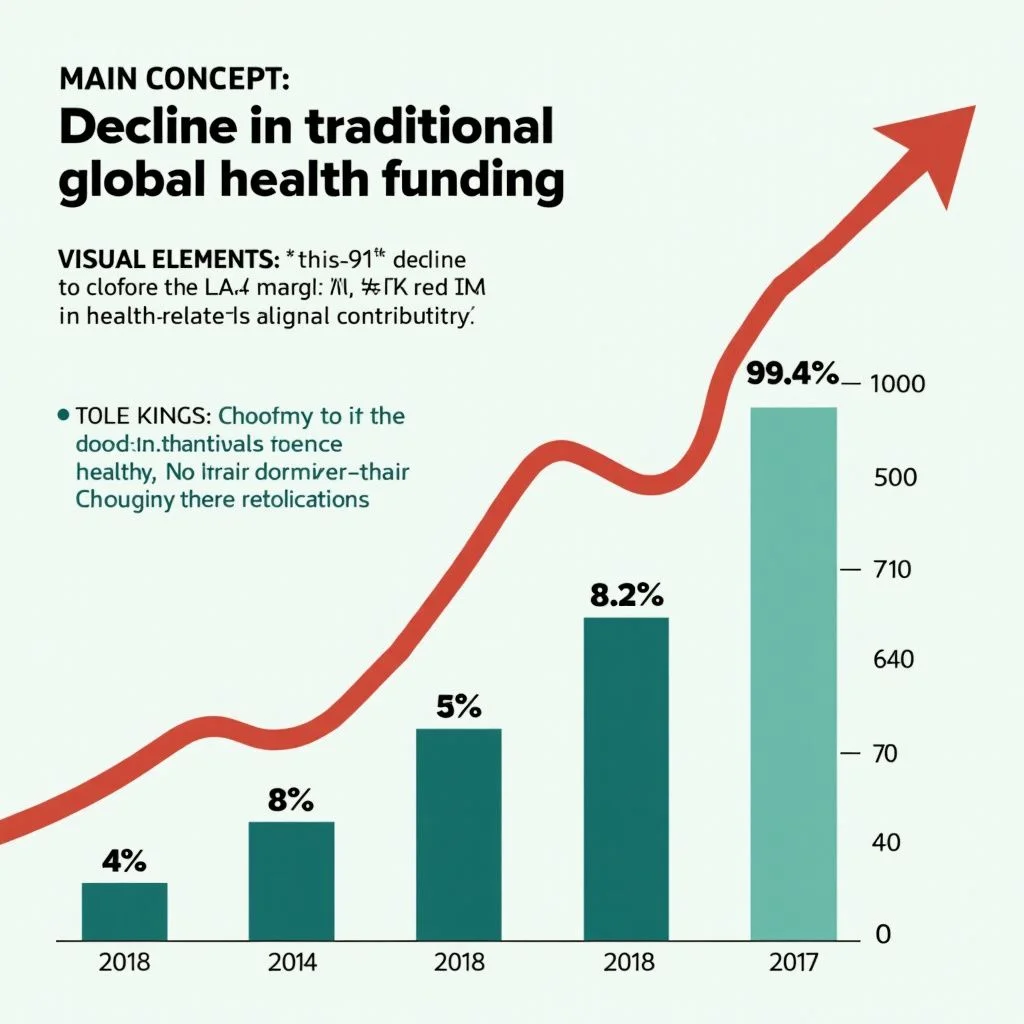
The global health landscape faces a significant reduction in official development assistance and bilateral health aid from major donors such as the US, the UK, Germany and France, putting the health systems of low- and middle-income countries at risk. However, new sources of funding are emerging, such as philanthropic foundations, private sector donors and countries from the Global South. Additionally, reforms are underway to mobilize internal resources and imagine a more resilient and equitable global health architecture.