
Latin American Immigration in the Spanish Labor Market: Part II

Latin American immigration in Spain is almost half of the total and 66% outside of Europe. It has a low educational level compared to the native-born, although higher than the Asian and African. There is educational and occupational diversity. The most educated have lower employment rates due to the delay in recognizing titles and the creation of low-skilled positions in the private sector. Additionally, there is a high school dropout rate among Latin American adolescents, making their labor and social integration difficult.
Exploring the Impact: Challenges and Opportunities for School District Superintendents

School superintendents in the United States influence policies, resources, and educational vision, affecting student outcomes, but it is difficult to measure this impact due to the complexity of factors involved. Recent studies highlight the difficulty of isolating this impact and the lack of clear theories.
The American Bet in MBS

MBS, the Saudi crown prince, visits Washington for commercial and defense agreements with Trump, seeking to consolidate his role as a modern leader and peace mediator, despite outrage over the murder of Jamal Khashoggi.
Uniting SEC and CFTC: The Best Strategy for Regulating Digital Assets.

The best approach to regulating digital assets is to merge the sections of the SEC and the CFTC. The objectives include creating federal regulations for non-security digital assets, clarity in the classification of digital assets, adapting traditional asset regulations for tokenized assets, and strengthening tools to prevent illicit finance. The current approach is flawed and could undermine existing regulatory frameworks. The need to merge both entities is highlighted, despite political challenges.
Why Do Distributional Effects Impede a Competitive Energy System in the EU?
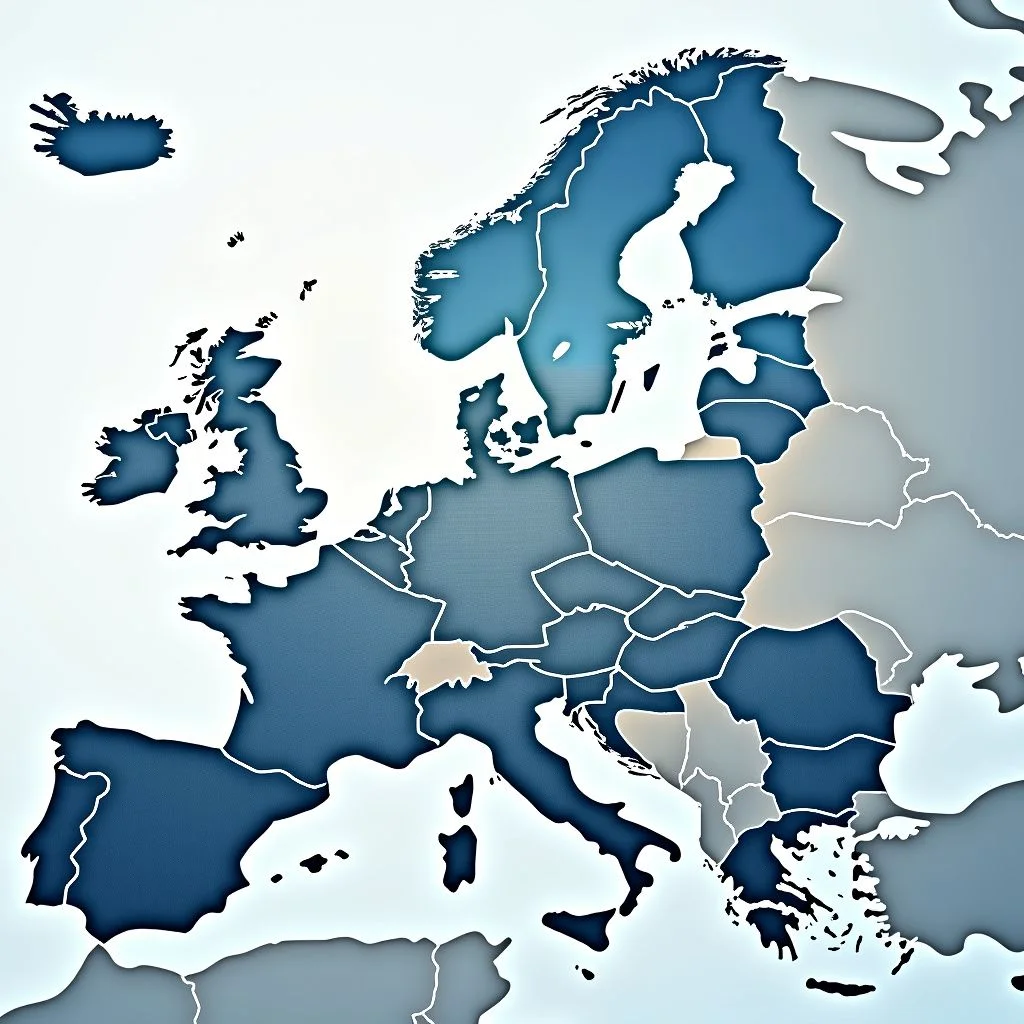
The efficiency of the EU’s energy system is hindered by high capital costs and distributional effects, affecting industrial growth and posing political challenges to European electrification. The growing local generation of wind and solar energy requires a European infrastructure planning system to guide private investments. Overcoming these effects will be crucial for an efficient electric system that combines decarbonization and competitiveness.