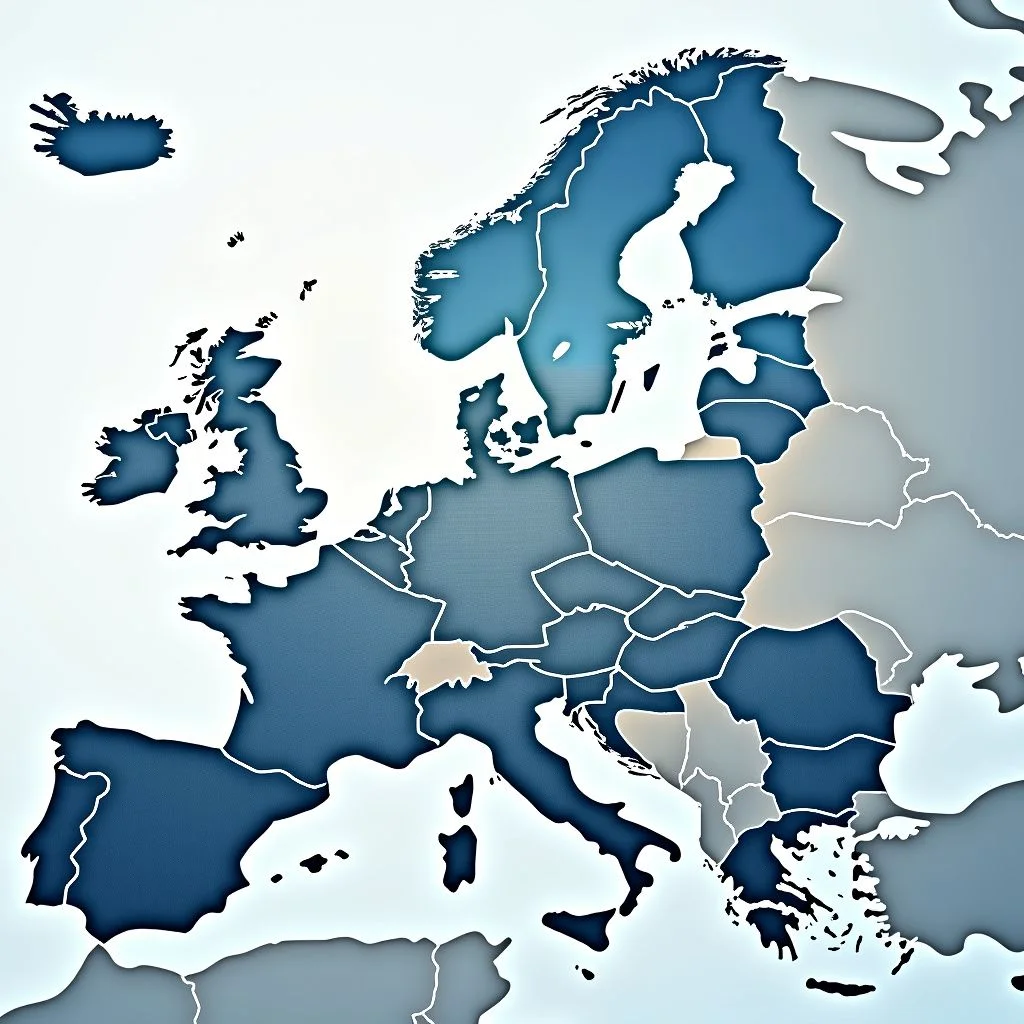
The International Energy Agency’s November 2025 report highlights a growing consensus that the development of the European Union’s electricity infrastructure will be crucial for its future decarbonization efforts. Over the next two decades, European wind and solar plants are projected to supply the majority of power to industries, vehicles, heating systems, and more. This shift in energy production underscores an unresolved question in European energy policy: who is responsible for driving Europe’s electrification—the market, member states, or the EU?
The absence of a clear answer to this question results in several challenges. High capital costs for private investors, impediments to industrial scaling, and the squandering of cross-border complementarities are significant issues that need addressing. As domestically produced electricity from wind and solar sources increases in most EU countries, the potential benefits of a European-level infrastructure-planning system to guide private investment become more apparent. Such a system could facilitate the flow of capital to the right investments, leading to clear benefits for consumers. If investments are made at the right time, in the right assets, and in the right locations, energy costs will be lower for all Europeans.
However, achieving this goal entails difficult political choices. If cost-optimal grid planning and European markets for supply and demand investments are allowed to shape the new energy system, some regions and stakeholders may feel disadvantaged. For instance, there might be fewer energy-intensive industries in regions with limited renewable resources. Residents might have to tolerate transmission lines that do not directly benefit them. Incumbent generators might lose profitability, and renewable energy installations might appear to benefit distant competitors over local businesses.
Reconciling Decarbonization and Competitiveness Strategies
To reconcile its decarbonization and competitiveness strategies, the EU must address these distributional effects. Policymakers need to work towards an efficient European electricity system that balances the needs of all stakeholders. This involves ensuring that the benefits of decarbonization are equitably distributed and that no region or industry is left behind in the transition to a low-carbon economy.
The development of a robust and efficient electricity infrastructure is essential for achieving the EU’s decarbonization goals. This infrastructure must be capable of integrating large amounts of variable renewable energy, ensuring grid stability, and facilitating cross-border energy trade. A well-planned infrastructure can help mitigate the intermittency of wind and solar power, ensuring a reliable and continuous supply of electricity.
Moreover, the EU must foster a supportive regulatory framework that encourages private investment in renewable energy and grid infrastructure. This includes streamlining permitting processes, providing stable and predictable revenue streams for investors, and ensuring that the costs and benefits of the energy transition are fairly distributed. Policymakers must also address the social and economic impacts of the energy transition, ensuring that communities and workers affected by the shift to renewable energy are supported.
The EU’s decarbonization efforts will require significant investments in grid modernization and expansion. This includes upgrading existing transmission and distribution networks, building new interconnections between member states, and integrating advanced technologies such as energy storage and smart grids. These investments will not only support the integration of renewable energy but also enhance the overall efficiency and reliability of the electricity system.
In addition to infrastructure development, the EU must promote energy efficiency and demand-side management. These measures can help reduce the overall demand for electricity, making it easier to meet decarbonization targets. Energy efficiency improvements in buildings, industry, and transportation can significantly lower energy consumption, while demand-side management programs can help balance supply and demand, reducing the need for expensive and polluting peak power plants.
The EU’s decarbonization efforts will also require a coordinated approach to energy policy at the European level. This includes harmonizing national energy policies, ensuring that member states work together to achieve common goals, and fostering cooperation on research and development. A coordinated approach can help overcome the challenges of integrating renewable energy, ensuring grid stability, and facilitating cross-border energy trade.
Furthermore, the EU must address the challenges of integrating renewable energy into the electricity system. This includes developing advanced technologies such as energy storage and smart grids, which can help balance supply and demand, ensure grid stability, and facilitate the integration of variable renewable energy sources. The EU must also promote research and development in these areas, ensuring that Europe remains at the forefront of clean energy innovation.
The EU’s decarbonization efforts will also require a focus on energy security. As the EU transitions to a low-carbon economy, it must ensure that its energy supply remains secure and resilient. This includes diversifying energy sources, reducing dependence on fossil fuels, and promoting energy independence. The EU must also address the challenges of integrating renewable energy into the electricity system, ensuring that the grid remains stable and reliable.
La Unión Europea debe centrarse en el desarrollo de la infraestructura eléctrica para lograr sus objetivos de decarbonización. Para lograr este objetivo, la UE debe abordar la cuestión pendiente de quién es responsable de impulsar la electrificación de Europa, crear un marco regulatorio favorable, promover la eficiencia energética y la gestión de la demanda, y adoptar un enfoque coordinado en la política energética.
Al hacerlo, la UE puede asegurarse de que sus esfuerzos de decarbonización sean eficientes, equitativos y sostenibles, y que todas las regiones y partes interesadas beneficien de la transición a una economía a baja emisión de carbono.