When the pandemic struck, millions of people lost their jobs overnight, but the U.S. lacked the infrastructure to quickly identify which workers needed help, what skills they possessed, or where demand was shifting. A decade earlier, trade shocks devastated manufacturing towns while training programs prepared workers for jobs that no longer existed. Today, as artificial intelligence (AI) transforms every sector, the country still relies on employment tracking methods designed for the Great Depression: a fragmented system of state-level wage records that leaves the nation unprepared for disruption.
The costs of this outdated system are evident everywhere. Training systems struggle to predict employer demand, leading students to invest in programs with uncertain outcomes. Employers report the same data to multiple agencies in different formats, yet cannot use it effectively for planning, recruitment, or workforce development. This is more than a minor data issue; it is a systemic problem that hinders the ability of policymakers to quickly and accurately target support to workers during disruptions. Programs are often designed reactively, missing those who need support the most.
The Workforce of the Future initiative’s new report
The Workforce of the Future initiative’s new report, “What Works for Employment Records: International Practices and Implications for the United States,” explores how modern employment record systems can guide decisions, empower workers, and streamline administrative processes. Lessons from abroad offer practical steps for U.S. modernization.
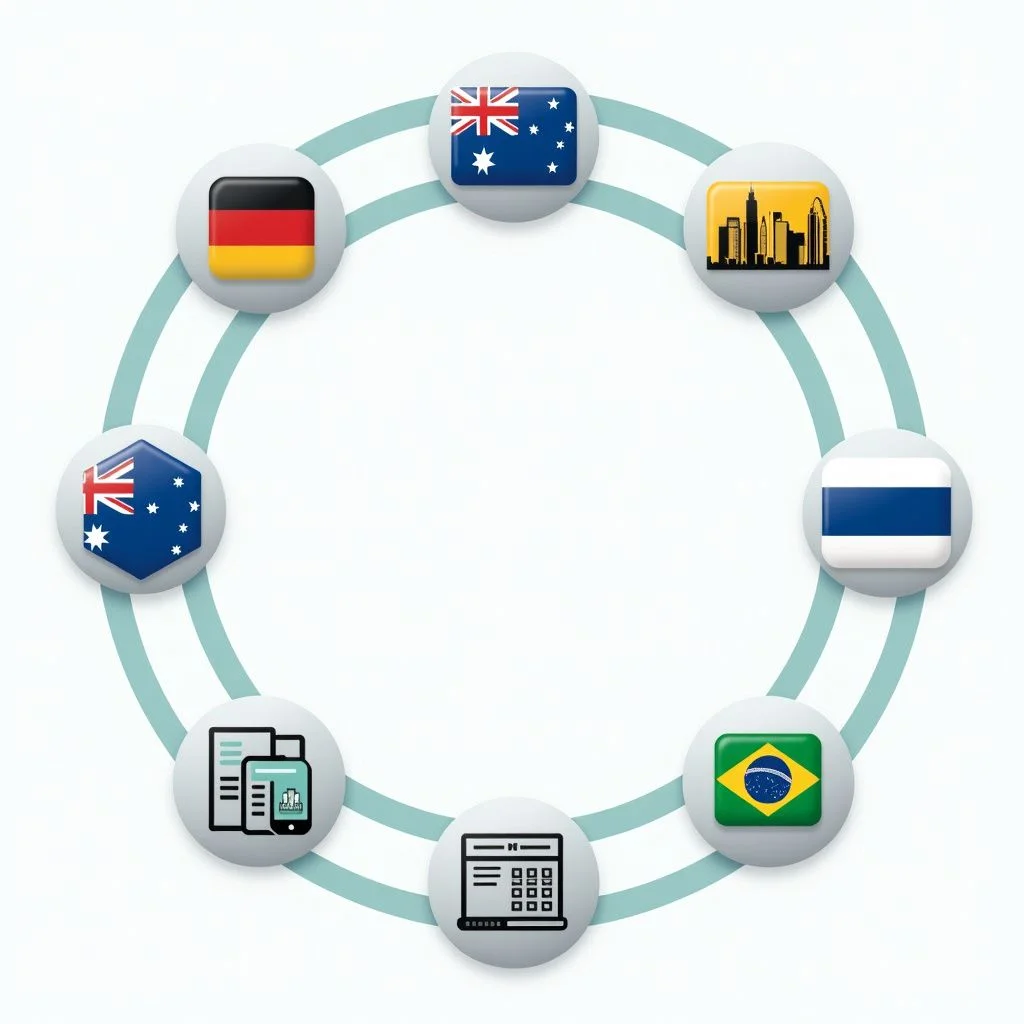
The U.S. system, when viewed through international experiences, reveals significant gaps. Since the 1970s, Germany has linked wage, education, and training records to evaluate training programs effectively. Australia integrated reporting into payroll software, reducing red tape and improving compliance. Brazil’s digital labor card connects millions of workers, including informal ones, to job matching and social aid. Estonia’s once-only reporting system updates tax, health, and social data automatically. India’s e-Shram registry brought 300 million informal workers into view. These examples demonstrate that modernization is about design and coordination, not just technology. Successful systems treat employment data as public infrastructure, standardizing formats, sharing data securely across agencies, and giving workers access to their own records.
In contrast, the U.S. relies on a decentralized system primarily designed to administer unemployment insurance. Each state collects wage data using different definitions and timelines, often omitting crucial details such as occupation, hours worked, or job location. This fragmentation means policymakers cannot measure job quality, track mobility, or identify skills in demand. Training providers make educated guesses about hiring trends, while researchers piece together data from surveys, scraped résumés, and job postings—a method akin to running a health system without patient charts, relying only on periodic surveys.
Overcoming barriers to modernization
Overcoming barriers to modernization involves addressing familiar obstacles such as bureaucratic inertia, coordination across 50 states, and concerns about privacy and security. However, these challenges are not insurmountable; they are similar to those that once slowed the adoption of electronic health records and were ultimately overcome. Modernization would reduce burdens on employers, who currently submit the same payroll data in multiple formats to various agencies. A “report once, use many times” model, enabled by secure payroll links and shared standards, would streamline compliance while improving data quality.
The case for modernization
The case for modernization becomes even more compelling as automation and AI reshape the workforce. Verified experience will soon matter as much as formal education. Without a reliable record of what people actually do and learn on the job, workers cannot demonstrate adaptability, and policymakers cannot target support effectively. Employment records are the missing bridge between learning, work, and resilience.
Global systems offer a roadmap for transitioning from fragmentation to functionality
Global systems offer a roadmap for transitioning from fragmentation to functionality. The report’s review of nine global models highlights several key lessons:
1. Set standards nationally, implement locally: Central standards, like those used by Germany and the EU, ensure consistency while preserving regional autonomy and flexibility.
2. Pilot first, refine later: The United Kingdom’s real-time payroll system succeeded because it started small, learned from early challenges, and then scaled. Testing and iteration help manage complexity and build support.
3. Protect privacy by design: India’s universal identification system and the EU’s digital wallet prove that systems can connect data securely while giving individuals control.
4. Embed reporting into payroll: Australia and Brazil made real-time reporting easier by building it into the software businesses already use.
5. Empower workers: When people can verify and access their own employment histories, as in Brazil and Estonia, trust in the system grows.
6. Align incentives carefully: In Brazil, incentives to formalize self-employment inadvertently encouraged employers to cut labor costs by misclassifying employees as contractors. Design matters.
7. Leadership is crucial: None of this happens without leadership that bridges bureaucracies and brings stakeholders together. In Brazil, finance, labor, and social service ministries had to align; in Australia, payroll software companies became partners. Modernization requires leadership that can align diverse actors—government agencies, private-sector vendors, worker representatives, and educators—around a shared design process.
La subida del poder de la inteligencia artificial y la automatización eleva la apuesta. Los trabajadores que puedan mostrar cómo han adaptado—qué hicieron, para quién y con qué resultados—se destacarán. Un sistema de registros de empleo moderno permitiría que mostraran la experiencia que pueden no incluso darse cuenta que es valiosa—en un formato confiable, portátil y digital transferible a través de estados, industrias y carreras. El pago sería sustancial. Con registros en tiempo real, los formuladores de políticas podrían dirigir ayuda en semanas en lugar de meses. Los educadores podrían diseñar programas y credenciales que conduzcan a mejores empleos y salarios más altos. Los empleadores podrían contratar más rápido y con menos papeleo. Lo más importante, los trabajadores podrían llevar su experiencia verificada con ellos de un trabajo a otro.
En medio de otra revolución tecnológica, Estados Unidos no puede permitirse volar a ciegas. Los registros de empleo no son glamurosos, pero son esenciales: Son el tejido conectivo de una economía justa y dinámica. Los formuladores de políticas deben tratar los registros de empleo como la infraestructura pública indispensable que son. La próxima sacudida está en camino. La cuestión es si el país estará listo para verla.