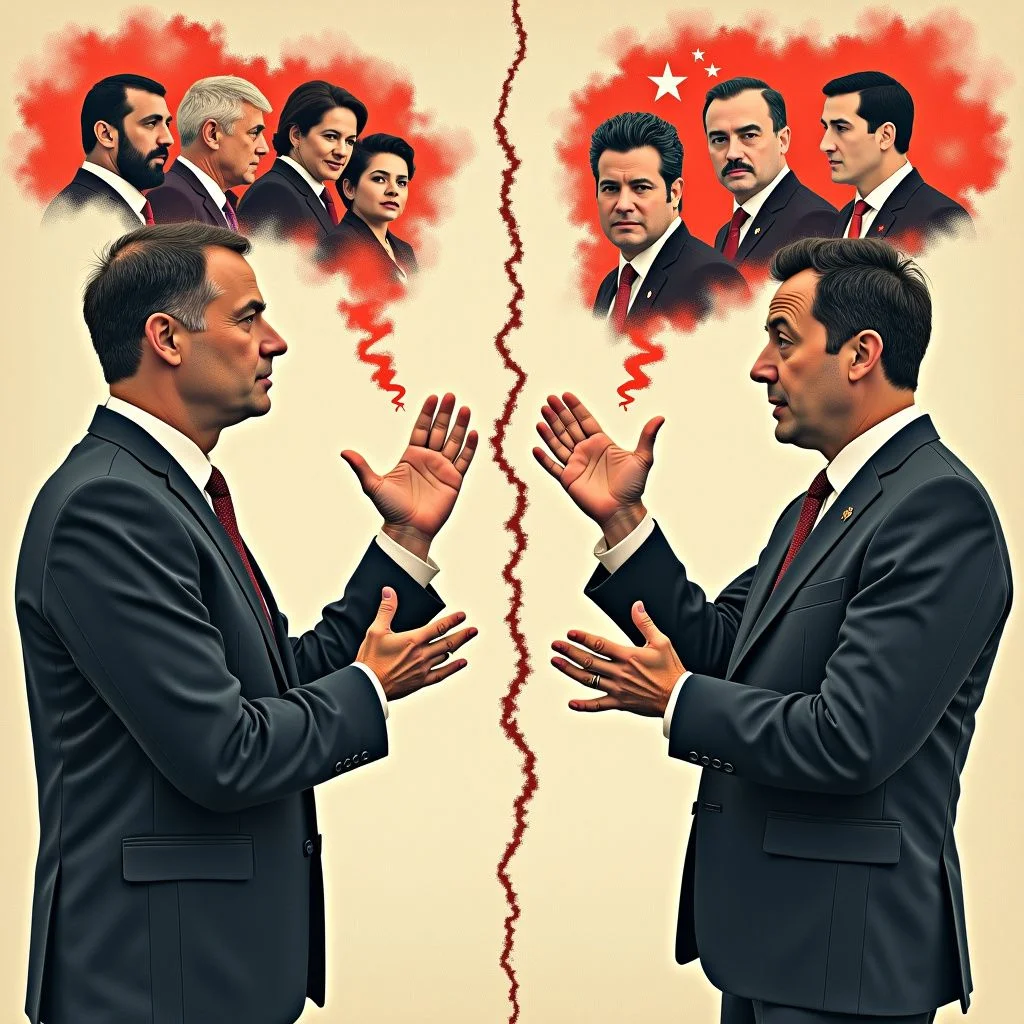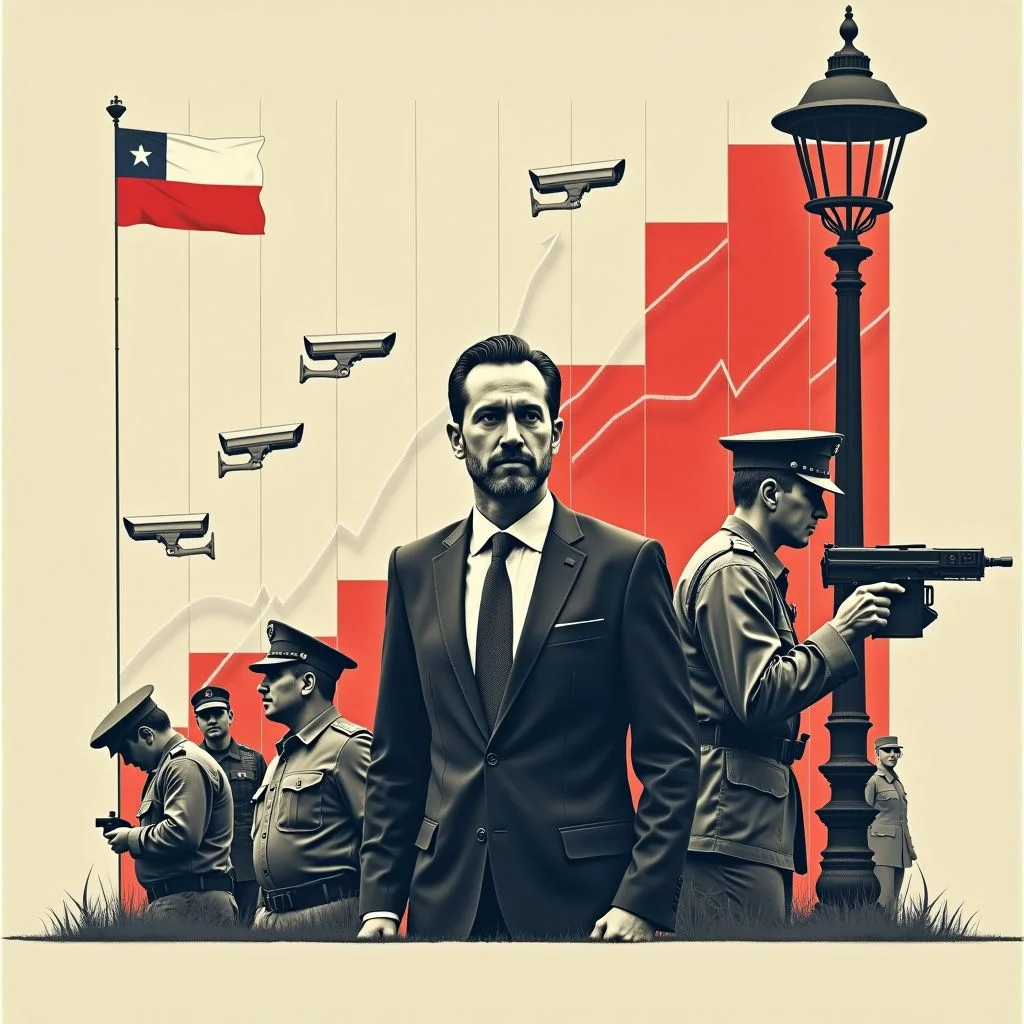
The conservative candidate won the presidential election with a wide margin, bringing the far right to power after a campaign focused on security, neoliberalism, and symbolic continuity with the past authoritarian regime. The Republican candidate, supported by all the right-wing parties in the country, defeated the communist candidate of the progressive bloc in the second round of the presidential election in Chile. With a difference of about 16 percentage points, the conservative candidate obtained 58.1% of the votes against 41.8% of his opponent, becoming the first president of Chile since the return of democracy in 1990 to reach the La Moneda palace without distancing himself from the dictator Augusto Pinochet. In fact, he supported the continuity of the regime in the 1988 plebiscite between dictatorship and democracy.
The victory raised questions about which version of the far right will represent in the next four years: whether more similar to the European one of Italian or French origin, or closer to the South American one, embodied by Argentina’s Milei or Brazil’s Bolsonaro family. Despite these uncertainties, the Chilean democratic rituals were respected: the winner had a cordial meeting with the outgoing president on election night, with the expectation of a meeting for the handover the next day. The victory was immediately recognized by the opponent, and the new president maintained a moderate tone in his first speech.
At the first round, a month earlier, with the right-wing parties divided, the conservative candidate came second after the communist candidate. However, in the second round, he won hands down, summing up the votes of the historical right, the ultra-conservative libertarian, and a part of the Partido de la Gente, whose electorate did not follow the leader’s instructions to vote null or blank, but instead divided between the two candidates. The conservative candidate thus became the most voted president in Chile’s history, winning in all regions of the country, with 7.2 million votes, about two million more than his opponent, also thanks to the compulsory vote introduced only three years ago.
The conservative candidate, a 59-year-old lawyer, father of nine children, and son of German migrant parents with his father affiliated to the Nazi party and a brother who was Pinochet’s minister, had already tried to become president on two other occasions, in 2017 and 2021, losing in the runoff against the current president. After being a deputy of the conservative Unión Demócrata Independiente, in 2019 he founded the Republican Party, which grew significantly in the legislative elections held a month ago, together with the first round of the presidential elections. His election campaign focused on order and security, responding to the Chileans’ concern about the growth of crime and irregular immigration, forcing his opponent to measure up to these issues. Homicides in Chile have increased over the past ten years, although the percentage remains lower than in most Latin American countries, but the perception of Chileans is of a strong social insecurity.
The conservative candidate avoided exposing positions on civil rights such as abortion and referring positively to Pinochet’s dictatorship, as he had done in the past. He did not explain in detail how he intends to apply a neoliberal policy, although he announced it. He condensed his program into a “Gobierno de emergencia”, promising to get to work immediately. In the face of this scenario, the communist candidate called for unity among the progressive bloc and to keep the coalition she led alive.
Many observers interpret the defeat of the left as a message from the voters to the outgoing government, disappointed by a change that remained half-hearted. In Chile, where the incumbent president cannot immediately run for a second term, the so-called “péndulo” works, which historically has led to a perfect alternation of power between the conservative and progressive blocs. The communist candidate, Minister of Labor in the outgoing government, overcame not a few obstacles, implementing important reforms of pensions, the reduction of working hours, and the increase of the minimum wage over the past four years.
However, Chile can no longer be read through the vote of the 1988 plebiscite that anticipated the end of the dictatorship, but rather referring to the antinomy “apruebo” and “rechazo” that sealed the end of the constituent process, rejecting the new constitutional reform project born from the social explosion with 62% of the votes, just six months after the inauguration of the outgoing presidency. The conservative candidate, linked to the international of the extreme right that operates in Europe and the American continent, received the applause of his colleagues and ideological affinities. With his victory, the Chilean government joins the reactionary wave growing in the world and in Latin America.
The conservative candidate won the presidential elections with a wide margin, bringing the far right to power after a campaign focused on security, neoliberalism, and symbolic continuity with the authoritarian past. The Republican representative, supported by all the right-wing parties in the country, defeated the communist candidate of the progressive bloc in the second round of the Chilean presidential elections. With a difference of around 16 percentage points, the conservative candidate obtained 58.1% of the votes against 41.8% of his opponent, becoming the first president of Chile since the return of democracy in 1990 to reach La Moneda Palace without distancing himself from dictator Augusto Pinochet. Instead, he supported the continuity of the regime in the 1988 plebiscite between dictatorship and democracy.
The victory raised questions about which version of the far right will represent in the next four years: whether more similar to the European one of Italian or French origin, or closer to the South American one, embodied by Argentina’s Mileo or Brazil’s Bolsonaro family. Despite these uncertainties, the Chilean democratic rituals were respected: the winner had a cordial meeting with the outgoing president on the same election night, with the expectation of a meeting for the handover of power the next day. The victory was immediately recognized by the opponent, and the new president maintained a moderate tone in his first speech.
In the first round, a month earlier, with the right-wing parties divided, the conservative candidate came second after the communist candidate. However, in the second round, he won hands down, summing up the votes of the historical right, the ultra-conservative libertarian, and a part of the Party of the People, whose electorate did not follow the leader’s instructions to vote null or blank, instead dividing between the two candidates. The conservative candidate thus became the most voted president in Chile’s history, winner in all regions of the country, with 7.2 million votes, about two million more than his opponent, also thanks to the compulsory vote introduced only three years ago.
The conservative candidate, a 59-year-old lawyer, father of nine children, and son of German migrants with his father affiliated to the Nazi party and a brother minister of Pinochet, had already tried to become president on two other occasions, in 2017 and 2021, losing in the runoff against the current president. After being a deputy of the conservative Unión Demócrata Independiente, in 2019 he founded the Republican Party, which grew significantly in the legislative elections held a month ago, along with the first round of the presidential elections. His election campaign focused on order and security, responding to the Chileans’ concern about the growth of crime and irregular immigration, also forcing his opponent to take a stance on these issues. Homicides in Chile have increased over the past ten years, although the percentage remains lower than in most Latin American countries, but the Chileans’ perception is of a strong social insecurity.
The conservative candidate avoided exposing positions on civil rights such as abortion and referring positively to Pinochet‘s dictatorship, as he had done in the past. He did not explain in detail how he intends to apply a neoliberal policy, although he announced it. He condensed his program into an “Emergency Government”, promising to get to work immediately. In the face of this scenario, the communist candidate called for unity among the progressive bloc and to keep the coalition she led alive.
Many observers interpret the defeat of the left as a message from the voters to the outgoing government, disappointed by a change that remained half-hearted. In Chile, where the president in office cannot immediately run for a second term, the so-called “pendulum” works, which historically has led to a perfect alternation of power between the conservative and progressive blocks. The communist candidate, Minister of Labor in the outgoing government, has overcome many obstacles, implementing important reforms of pensions, reduction of working hours, and increase of the minimum wage over the past four years.
However, Chile cannot be read through the vote of the 1988 plebiscite that anticipated the end of the dictatorship, but rather referring to the antinomy “apruebo” and “rechazo” that sealed the end of the constitutional process, rejecting the new constitutional reform project born from the social explosion with 62% of the votes, just six months after the inauguration of the outgoing presidency. The conservative candidate, linked to the international of the far right that operates in Europe and the American continent, has received the applause of his colleagues and ideologically affiliated. With his victory, Chile’s government joins the reactionary wave that is growing in the world and in Latin America.
La victoria levantó preguntas sobre qué versión de la derecha extrema representaría en los próximos cuatro años: si más similar a la europea de origen italiano o francés, o más cercana a la sudamericana, encarnada por Argentina’s Milei o la familia de Bolsonaro de Brasil. A pesar de estas incertidumbres, los rituales democráticos chilenos fueron respetados: el ganador tuvo una reunión cordial con el presidente saliente en la misma noche de las elecciones, con la expectativa de una reunión para la entrega del poder al día siguiente. La victoria fue reconocida inmediatamente por el oponente, y el nuevo presidente mantuvo un tono moderado en su primer discurso.
En la primera ronda, un mes antes, con los partidos de la derecha divididos, el candidato conservador quedó en segundo lugar después del candidato comunista. Sin embargo, en la segunda ronda, ganó de manera contundente, sumando los votos del histórico derecho, el ultraconservador libertario y una parte del Partido del Pueblo, cuyo electorado no siguió las instrucciones del líder para votar nulo o en blanco, en su lugar dividiéndose entre los dos candidatos. El candidato conservador se convirtió así en el presidente más votado en la historia de Chile, ganador en todas las regiones del país, con 7,2 millones de votos, unos dos millones más que su oponente, también gracias al voto obligatorio introducido hace solo tres años.
El candidato conservador, un abogado de 59 años, padre de nueve hijos y hijo de inmigrantes alemanes con su padre afiliado al partido nazi y un hermano ministro de Pinochet, ya había intentado convertirse en presidente en otras dos ocasiones, en 2017 y 2021, perdiendo en la segunda vuelta contra el presidente actual. Después de ser diputado del conservador Unión Demócrata Independiente, en 2019 fundó el Partido Republicano, que creció significativamente en las elecciones legislativas celebradas un mes antes, junto con la primera ronda de las elecciones presidenciales. Su campaña electoral se centró en el orden y la seguridad, respondiendo a la preocupación de los chilenos sobre el crecimiento del delito y la inmigración irregular, también obligando a su oponente a tomar posición sobre estos temas. Los homicidios en Chile han aumentado en los últimos diez años, aunque la tasa sigue siendo menor que en la mayoría de los países latinoamericanos, pero la percepción de los chilenos es de una fuerte inseguridad social.
El candidato conservador evitó exponer posiciones sobre derechos civiles como el aborto y se refirió positivamente a la dictadura de Pinochet, como había hecho en el pasado. No explicó en detalle cómo pretende aplicar una política neoliberal, aunque la anunció. Condensó su programa en un “Gobierno de Emergencia”, prometiendo ponerse a trabajar de inmediato. En este escenario, el candidato comunista llamó a la unidad entre el bloque progresista y a mantener viva la coalición que lideró.
Muchos observadores interpretan la derrota de la izquierda como un mensaje de los votantes al gobierno saliente, decepcionado por un cambio que se quedó a medio camino. En Chile, donde el presidente en ejercicio no puede postularse para un segundo mandato de inmediato, el llamado “pendulo” funciona, que históricamente ha llevado a una alternancia perfecta del poder entre los bloques conservador y progresista. El candidato comunista, ministro de Trabajo en el gobierno saliente, ha superado muchos obstáculos, implementando importantes reformas de pensiones, reducción de horas de trabajo y aumento de la salario mínimo en los últimos cuatro años.
Sin embargo, Chile no puede leerse a través del voto de la plebiscita de 1988 que anticipó el fin de la dictadura, sino más bien refiriéndose a la antinomia “apruebo” y “rechazo” que selló el fin del proceso constitucional, rechazando el proyecto de reforma constitucional nacido de la explosión social con el 62% de los votos, solo seis meses después de la inauguración de la presidencia saliente. El candidato conservador, vinculado a la internacional de la derecha extrema que opera en Europa y el continente americano, ha recibido los aplausos de sus colegas e ideológicamente afiliados. Con su victoria, el gobierno de Chile se une a la ola reaccionaria que crece en el mundo y en América Latina.