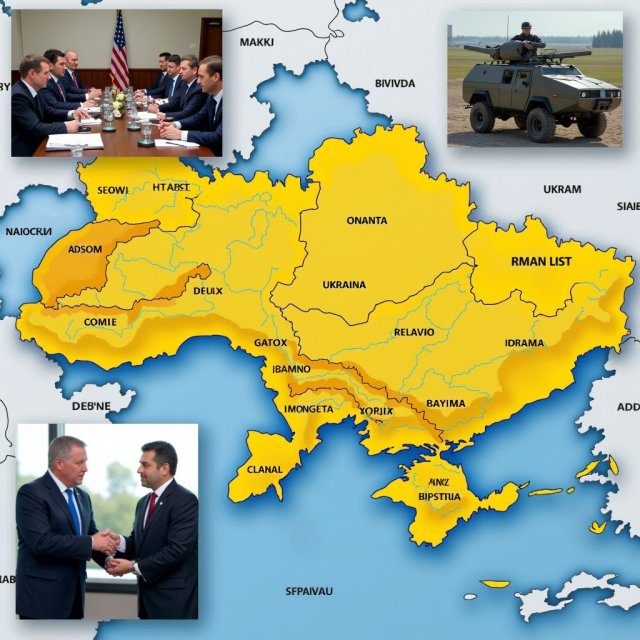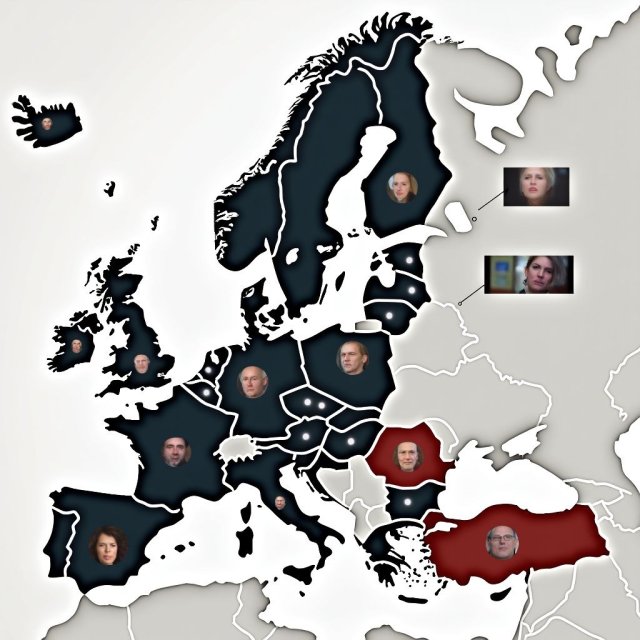
Since 2022, national cohesion in Europe has been crucial in facing the Russian threat and supporting Ukraine, and fiscal pressure and defence spending increases make it difficult to meet social expectations. External actors such as Russia and the United States undermine this cohesion. Strong leadership and comprehensive responses from political elites and civil society, along with good governance and strong institutions, are needed to counter these influences.
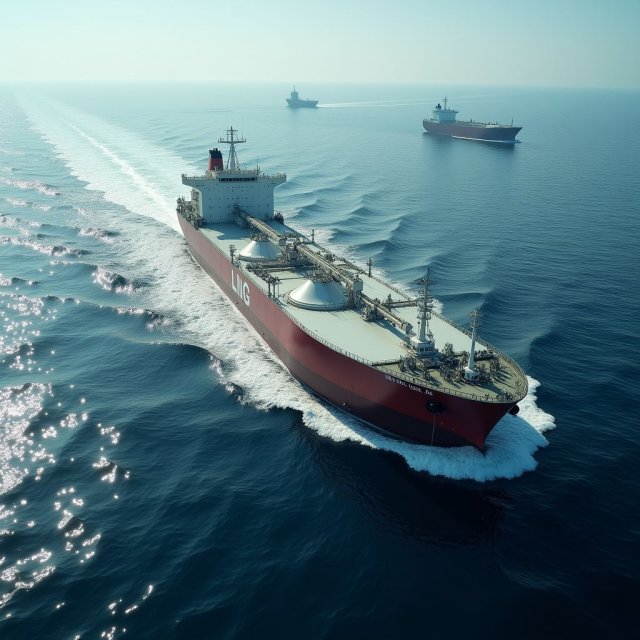
The increase of a ghost fleet of LNG, backed by China, aims to counter the US dominance in the energy markets, marking a transition towards a multipolar economic order. The appearance of Russian and Chinese methaner carriers for transporting sanctioned LNG indicates a shift in the international energy market. This phenomenon poses environmental and security risks, as well as challenges for maritime regulation.

Competition law analyzes the global digital economy, identifying power risks and promoting innovation. Large digital platforms dominate through economies of scale, network effects and reach, influencing global innovation and technological standards. Cloud computing is crucial for EU competitiveness, but faces obstacles like vendor lock-in. Regulation, such as the Digital Markets Act, aims to promote.
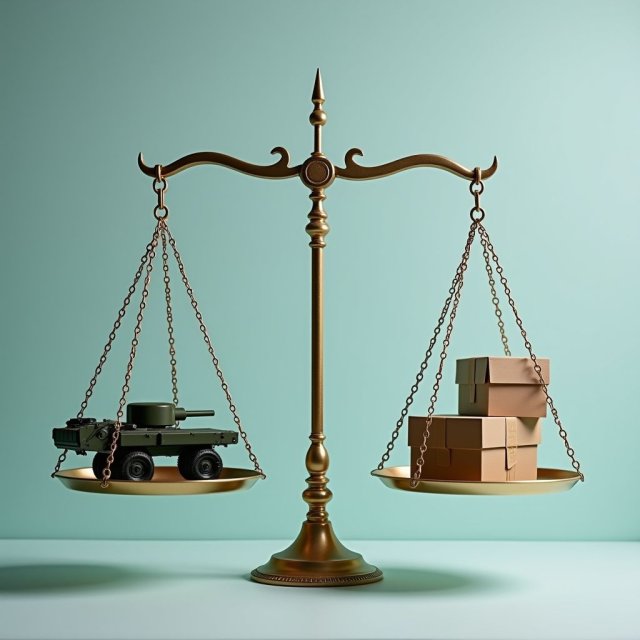
Europe faces the challenge of balancing external security with internal social cohesion. International instability reactivates the need for a solid foreign policy, dependent on social cohesion. Inequality and economic insecurity fuel discontent and populism. Increasing military spending can erode democratic legitimacy. Europe must invest in capabilities and promote industrial cooperation to strengthen its external security and finance European defence with solidary mechanisms. The balance between fiscal stability and social protection will be key to maintaining cohesion.