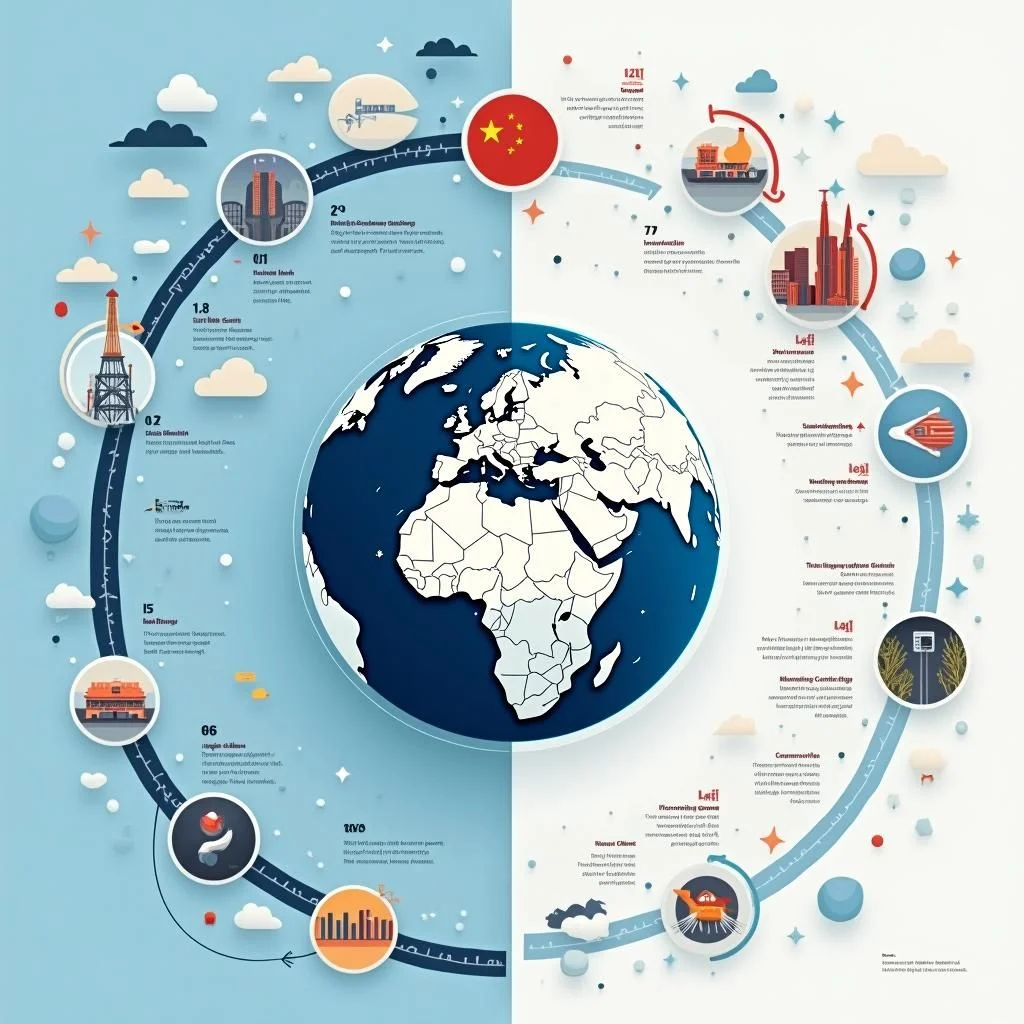
The recent EU-China summit, held on the 50th anniversary of diplomatic relations between the two regions, highlighted a significant milestone in a long and complex partnership. However, beneath the diplomatic celebrations lies a challenging reality for European and other foreign companies operating in China. This reality necessitates a fundamental rethinking of business strategies and expectations.
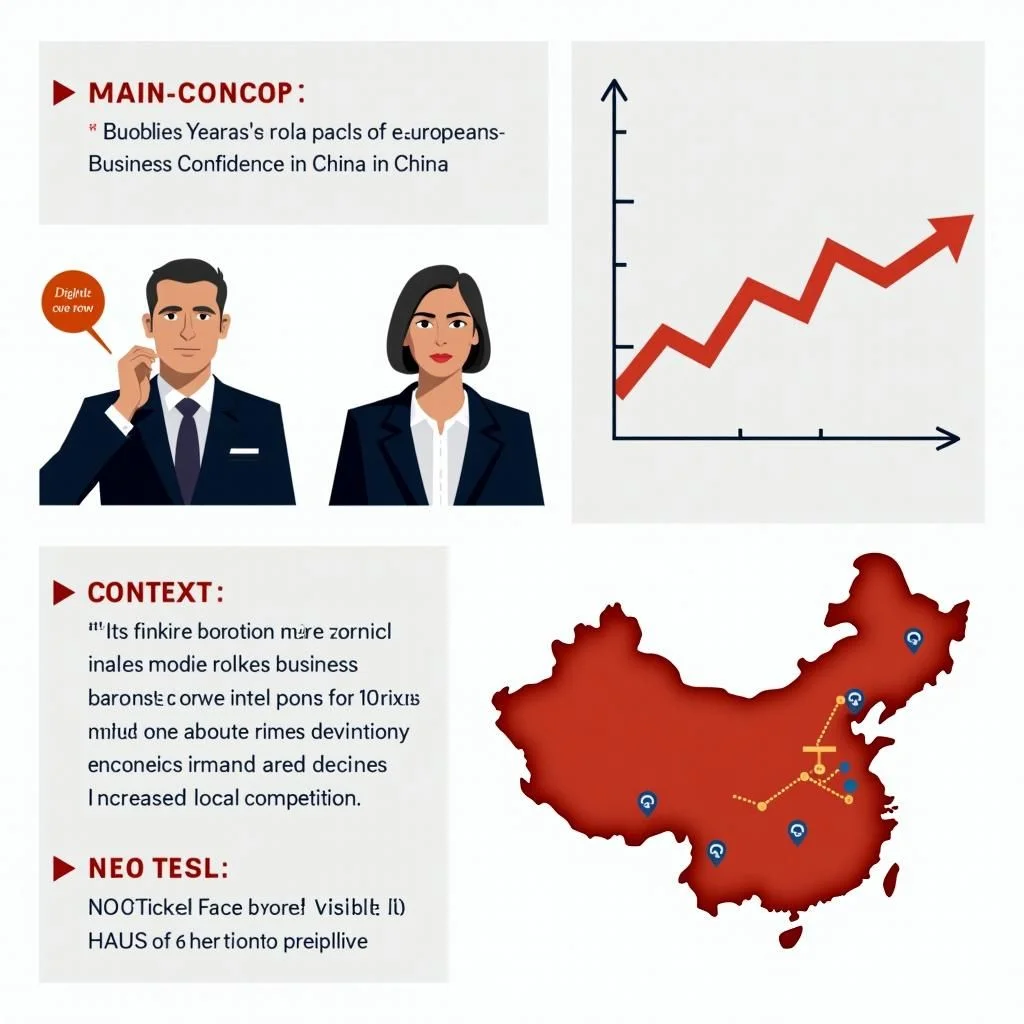
European businesses in China are facing a shifting landscape that has led to a decline in business confidence, reaching a critical low point in 2025. Companies are grappling with a multitude of new challenges that, in some cases, question the viability of their long-term strategies. The deterioration in business sentiment can be attributed to several factors.
Despite the challenges, there are substantial incentives for foreign companies to operate in China. The Chinese market is larger than ever, and China has transformed from the world’s factory into a major innovation hub, increasing its share of global manufacturing. Rapid advances in technology, infrastructure, and domestic market sophistication have made China a vital node in the global supply chain and technology networks. These developments have drawn global attention and transformed the country into an attractive environment for companies to enhance their competitive edge.
European companies’ rationale for operating in China has evolved from simply producing goods for re-export to a « China for China » strategy. This shift has been supported by a massive innovation drive, converting China into an environment where companies can refine their competitive strategies. However, despite these advantages, global companies, including European ones, are not making as much money in China as they did in the past. Simply being present in China no longer guarantees profitability or growth.
Three key drivers behind this new reality: the Chinese economy, its regulatory environment, and external factors, primarily geopolitical.
Of these, the Chinese economy appears to be the most significant. The most notable trends affecting European companies are stagnant domestic demand and increased local competition. Regulatory factors are also crucial, with the Chinese government tightening control over sectors it deems strategic, such as semiconductors and data. The de-risking pressure stemming from the European Commission appears to be less relevant, at least according to European Chamber Survey results.
Many European companies operating in China describe feeling « stuck » in the market. This means that their diminishing profitability has not yet reached a point where exiting the market is justified. There are two main reasons why some companies are « stuck. » Firstly, changes in geopolitical relationships have brought about a high degree of uncertainty, increasing hesitation around major decisions, including whether to invest in or exit from major markets like China. Secondly, the European market is considered unappealing, leading many companies to adopt a wait-and-see attitude in China.
The stagnant domestic demand in China is a significant concern for European companies. The Chinese market, once a bastion of rapid growth, has seen a slowdown in consumer spending and investment. This trend is exacerbated by increased local competition, as Chinese companies become more innovative and efficient, often outcompeting foreign firms on price and quality. The regulatory environment in China has also become more stringent, with the government imposing stricter controls over strategic sectors. This regulatory tightening can make it difficult for foreign companies to operate, as they must navigate complex and often opaque regulations.
The geopolitical landscape has added another layer of complexity. Tensions between China and other major economies, including the United States and Europe, have created an environment of uncertainty. This uncertainty makes it challenging for companies to make long-term investment decisions. The risk of geopolitical conflicts can disrupt supply chains, affect market access, and increase operational costs. Additionally, the European market’s appeal has waned, with many European companies finding it less attractive due to economic stagnation and regulatory burdens.
The combination of these factors has left many European companies in a state of limbo. They are neither thriving nor failing in China but are instead stuck in a state of stagnation. This situation is unsustainable in the long term, as companies cannot indefinitely operate at reduced profitability. The current environment demands a strategic rethink, where companies must reassess their market entry strategies, operational models, and long-term goals. Companies need to consider diversifying their operations, exploring new markets, and adapting to the evolving regulatory and geopolitical landscape.
Innovation remains a key driver for European companies in China. Despite the challenges, China’s innovation hub status offers opportunities for companies to develop new technologies and products. However, to capitalize on these opportunities, companies must invest in research and development, foster innovation, and build strong partnerships with local firms. This requires a long-term commitment and a willingness to adapt to the changing market dynamics.
The regulatory environment in China is another critical area for European companies to focus on. Navigating China’s regulatory landscape requires a deep understanding of local laws and regulations, as well as strong relationships with government agencies. Companies must be proactive in engaging with regulators, seeking clarity on regulatory requirements, and advocating for a level playing field. This can help mitigate the risks associated with regulatory changes and ensure compliance with local laws.
External factors, particularly geopolitical tensions, are also crucial for European companies to consider. While these factors are largely beyond the control of individual companies, they can have a significant impact on business operations. Companies must stay informed about geopolitical developments, assess their potential impact on business operations, and develop contingency plans to mitigate risks. This includes diversifying supply chains, exploring alternative markets, and building resilient business models.
Conclusion
The current environment in China presents both opportunities and challenges for European companies. While the market remains attractive due to its size and innovation potential, companies must navigate a complex regulatory landscape, increased local competition, and geopolitical uncertainties. To succeed in this environment, companies must adopt a strategic approach, focusing on innovation, regulatory compliance, and risk management. This requires a long-term commitment, a willingness to adapt to changing market dynamics, and a proactive engagement with stakeholders.