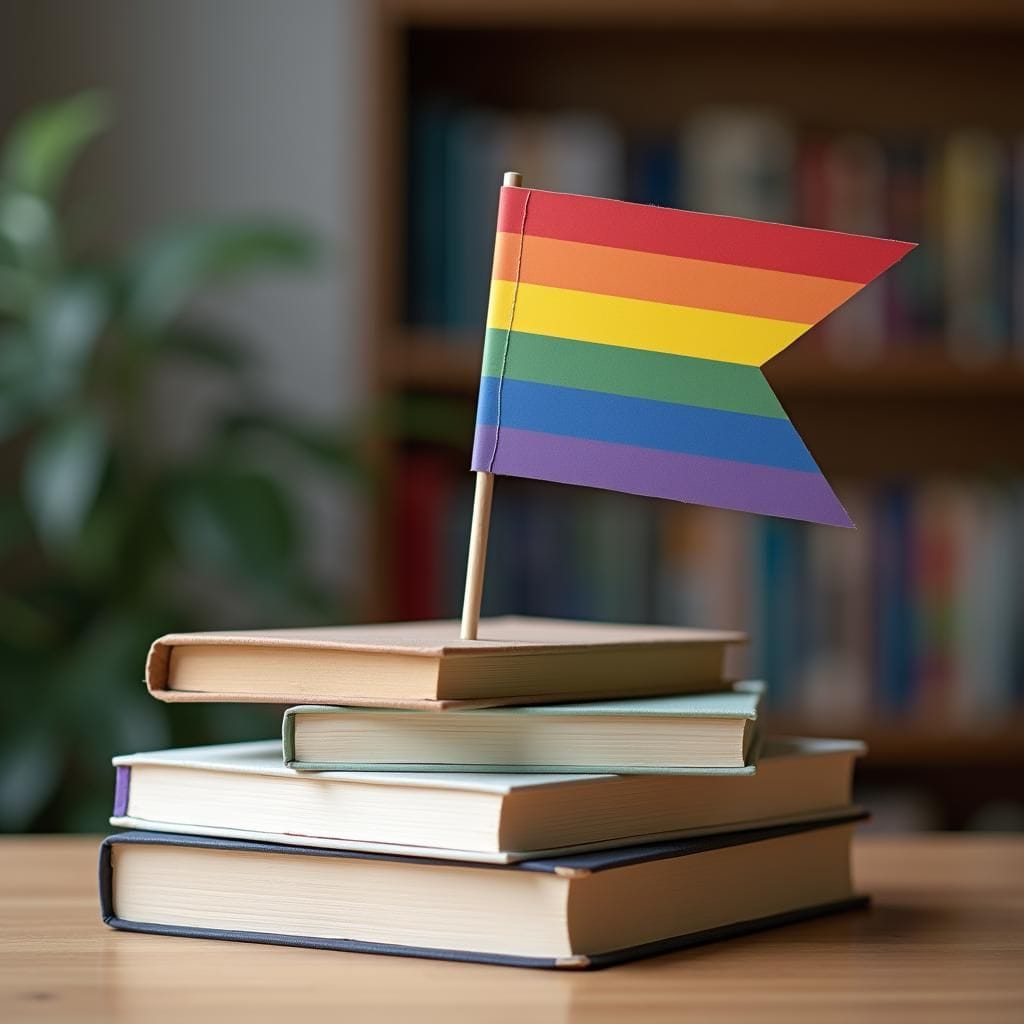
El término 2024-2025 del Tribunal Supremo fue crucial para la educación pública K-12. El Tribunal consideró la legalidad de escuelas charter religiosas (Oklahoma Statewide Charter School Board v. Drummond), los derechos de los estudiantes con discapacidades a acceder a una educación pública (A. J. T. v. Osseo Area Schools), y si los padres deberían tener la opción de excluir a sus hijos de lecciones o materiales curriculares que conflictúen con sus creencias religiosas (Mahmoud v. Taylor). Este análisis explora las reacciones de expertos en derecho y política educativa sobre las decisiones recientes del Tribunal Supremo.
En AJT v. Osseo School District (2025), el Tribunal determinó que los padres de estudiantes con discapacidades que demanden a escuelas públicas por discriminación deben probar lo mismo que otros demandantes en casos de discriminación por discapacidad. Este fallo es consistente con decisiones recientes del Tribunal que afirman los derechos de los estudiantes con discapacidades y eliminan barreras legales administrativas. En Mahmoud v. Taylor (2025), el Tribunal decidió que impedir a los padres optar por excluir a sus hijos de un currículo inclusivo sobre LGBTQ+ violaba los derechos de libre ejercicio religioso de los padres bajo la Primera Enmienda. Aunque el fallo no prohíbe a las escuelas adoptar un currículo inclusivo, sí fortalece el derecho de los padres a optar por excluir a sus hijos de ciertos temas. Finalmente, en Oklahoma Statewide Charter School Board v. Drummond (2025), el Tribunal emitió una opinión per curiam anunciando que estaba “equitativamente dividido” debido a la recusación de la jueza Amy Coney Barrett, lo que confirmó una decisión previa de la Suprema Corte de Oklahoma que prohibía la creación de una escuela pública religiosa.
Sin embargo, al mirar más allá de los resultados mínimos, las decisiones en Mahmoud y Drummond presentan preocupaciones significativas para el futuro de la educación pública. El lenguaje en la opinión mayoritaria de Mahmoud sugiere que el Tribunal desea resistir la percepción de que la igualdad LGBTQ+ es un valor normativo en la ley y la sociedad estadounidense. Además, la recusación de Barrett en Drummond indica que, sin su abstención, el Tribunal probablemente habría aprobado la creación de una escuela pública gestionada por la Iglesia Católica. Estas señales indican que el Tribunal está profundamente influenciado por la Cláusula de Libre Ejercicio, hasta el punto de elevar los derechos religiosos por encima de otros intereses constitucionales, incluyendo la separación de iglesia y estado y la protección igualitaria.
Public education survived what risked being the most painfully consequential decision in half a century in Drummond-or at least survived to fight another day-while suffering a stiff smack on the hand in Mahmoud. With Drummond, forcing states to approve religious charter schools would have delivered control over what it means to be a public school into private hands. Taxpayers would have to pick up the bill for religious schools but have no control over what those schools teach or whether all students have equal access to them. Publicly funding religious schools would also radically reshape funding for public schools. Religious schools that have long operated on tuition may shift their costs onto taxpayers, and many new religious charter schools would surely open. States would face either increasing taxes or cutting the already-too-small education pie into smaller and smaller pieces. The consequences of religious charter schools are important to understand, since the question will almost certainly come before the Court again in the coming years.
Mahmoud is trickier. The threshold question was whether the school’s LGBTQ+ books and curriculum burden parental rights. Prior precedent would have said no, but courts have been exceedingly stingy in recognizing burdens on parental rights and exceedingly deferential on the related matter of school curriculum and the possibility of censorship-almost to the point of absurdity. Whatever you think of the parental burdens issue, we were long overdue for an update on where the Court stands vis-à-vis curriculum. The problem for the Court has been how to draw a line that does not micromanage local school decision-making. It remains unclear where exactly the line on parental burden is now, but it is clear the court lowered the bar for establishing religious burden. That means schools can expect new challenges on topics like vaccine requirements, absences, and student codes of conduct. Regardless, schools are still free to promote inclusive values and curriculum. And to be clear, the Court did not give students license to harass others based on religious beliefs. Schools can and should continue to prohibit and punish inappropriate behavior-and stick to their values.
Parents have often challenged classroom curriculum that conflicts with their family’s values and beliefs. For example, in the past, parents have requested that their children be able to opt out of lessons about Black History Month, evolution, and ethnic studies requirements. Federal courts have often rejected parental challenges to the curriculum or requests to opt-out, reasoning that mere classroom exposure to lessons that conflict with parents’ religious beliefs does not prevent them from raising their children in a way that aligns with their family’s values. In Mahmoud v. Taylor, the Supreme Court decided that public schools must allow parents to opt their children out of lessons if the discussions conflict with their religious beliefs. Parents in this case took issue with a school policy that did not permit them to opt their children out of lessons featuring LGBTQ+ inclusive storybooks. The Fourth Circuit ruled against the parents. However, in a 6-3 decision, the Supreme Court granted the parents’ motion for a preliminary injunction, finding that the district’s policy of not allowing parents to opt out infringed upon their free exercise rights. As a result, schools will need to provide notice and opt out opportunities for books, films, and other classroom content that may conflict with parents’ religious beliefs. Notably, this decision focuses on opt-outs and not LGBTQ+ inclusive curriculum in general. Thus, schools can continue to include inclusive curriculum while allowing parents the choice to opt out based on religious belief. This also means that the implications of this opinion extend beyond LGBTQ+ storybooks. After all, free exercise rights do not apply differently when gender is at issue. In other words, given the Court’s ruling, parents will have more leeway to opt their children out of classroom content that conflicts with their religious beliefs. Indeed, parents may demand opt outs for their children when the Bible is discussed or when a teacher includes a book about World War II during a social studies lesson. In the end, allowing families to opt out for religious-related beliefs will increase administrative burden for schools while teachers cater to various parents’ religious beliefs.
En este término, la Suprema Corte escuchó argumentos orales en St. Isidore of Seville Catholic Virtual School v. Drummond y Oklahoma Statewide Charter School Board v. Drummond. Estos casos consolidados abordaban si el estado de Oklahoma tendría que abrir la primera escuela charter religiosa de la nación. La St. Isidore of Seville Catholic Virtual Charter School habría sido financiada con dinero de impuestos pero operada por dos iglesias católicas locales. Sin embargo, el Tribunal emitió una decisión dividida 4-4 que ratificó la decisión de la Suprema Corte de Oklahoma contra la escuela. La jueza Amy Coney Barret se recusó del caso. Su ex empleador, la Universidad de Notre Dame, opera una clínica legal que representa a la escuela. Aunque los estados recibieron un respiro, están advertidos. En el futuro, el Tribunal probablemente sostendrá que las prohibiciones contra escuelas charter religiosas violan la Cláusula de Libre Ejercicio. Un hallazgo de este tipo sería profundo. Aunque las leyes de escuelas charter las definen como “públicas”, la mayoría de los estados requieren que estas escuelas operen de manera independiente. Por lo tanto, una decisión de que las escuelas charter son “entidades privadas” podría obligar a los estados a abrir escuelas charter religiosas. Un hallazgo de que las escuelas charter son privadas para fines religiosos también plantearía importantes preguntas constitucionales sobre libertad de expresión, allanamientos y registros, protección igualitaria y debida procesión. Además, una decisión que permita escuelas charter religiosas podría drenar fondos de las escuelas públicas. Los distritos escolares rurales deberían estar especialmente preocupados. Estos distritos educan aproximadamente el 20 por ciento de los estudiantes de escuelas públicas del país. Debido a la disminución de las matriculas, las escuelas rurales han tenido que hacer recortes significativos, fusionar operaciones entre sí e incluso cerrar por completo. Las escuelas charter religiosas sin duda crearían aún más presión sobre estos distritos. Para protegerse contra las consecuencias significativas de un posible fallo a favor de las escuelas charter religiosas, los estados deben considerar desarrollar leyes que garanticen que las escuelas charter sean entidades públicas para todos los asuntos constitucionales. Los estados podrían hacerlo enmendando sus leyes para convertir a las entidades que las operan en corporaciones creadas y controladas por el gobierno. Los estados también podrían desarrollar enfoques que gestionen el alcance de los programas de escuelas charter en distritos escolares amenazados.
Public education is under attack-from the expansion of universal private school choice programs that are siphoning monies away from already cash-strapped public schools to the Trump administration’s efforts to dismantle the federal education department and the recent withholding of Congressionally mandated federal school funding. And the Drummond and Mahmoud decisions indicate that the Court is more likely to accelerate attacks on public education than to forestall them. Both Drummond and Mahmoud, along with other recent decisions of this court-e.g., Kennedy v. Bremerton School District (a ruling in favor of a high school football coach who was fired from a public school for leading postgame prayers) and Carson v. Makin (which struck down a Maine law prohibiting the use of public funds for religious schools)-are evidence of rapidly eroding divides between religion and public life. Public schools narrowly avoided catastrophe with the split 4-4 decision in Drummond, but the question of religious charter schools will almost certainly come before the Court again-and under more favorable conditions. Religious charter schools would have major implications for the health of our public education system, the charter school sector, and education funding. With Mahmoud, the Court ruled that parents should be allowed to opt their children out of school curriculum and programming that conflicts with their religious beliefs. Where future courts will draw the line between legitimate and illegitimate concerns remains to be seen. But what we do know is that this decision adds another layer of costly complexity to the already challenging landscape that school districts are facing given the rise in statewide universal private school choice programs, enrollment declines, and budget shortfalls. Worse, the Mahmoud decision will undermine local efforts to make school programming and curriculum more pluralistic and inclusive. As Justice Sotomayor pointed out in her dissent, “schools may instead censor their curricula, stripping material that risks generating religious objections.” And we’ve seen this happen before. After the wave of anti-critical race theory state laws in 2021 and 2022, many teachers reported preemptively changing their instruction in the face of potentially costly conflict. At a time when schools are in dire need of more resources and support, the Court has added only more challenges to their plate.