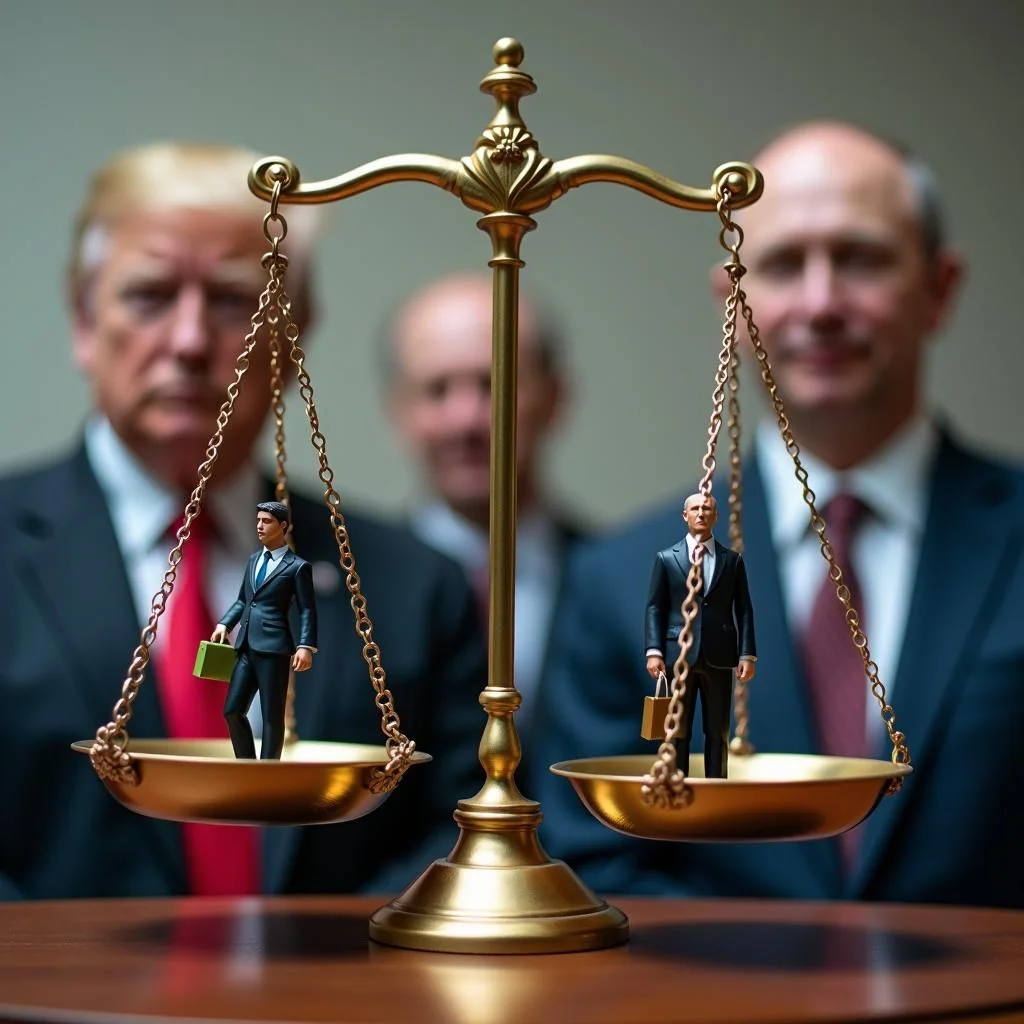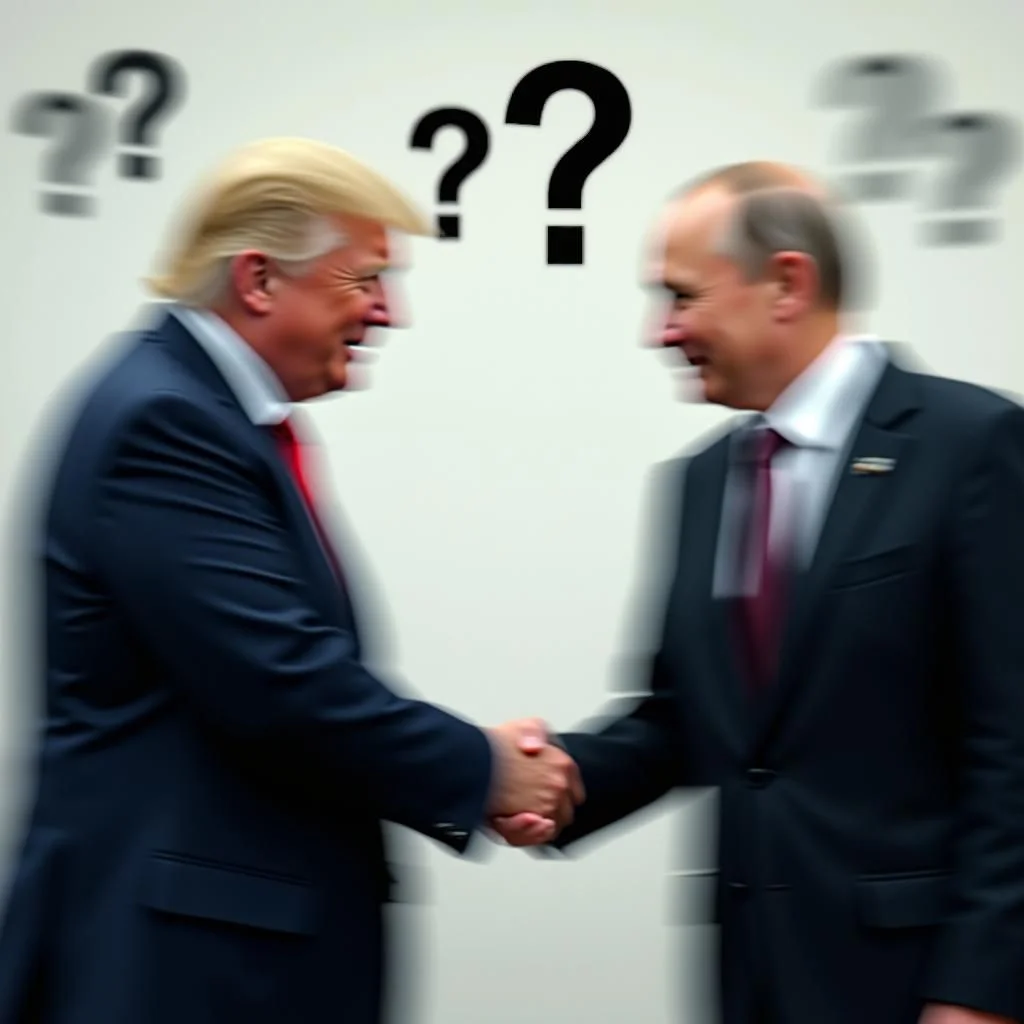
The Anchorage summit was neither Yalta nor Monaco. Between personal ambitions, propaganda, and realism, the challenge remains to build a just peace without succumbing to the Russian narrative. The challenge is complex and requires a Socratic attitude, recognizing the uncertainty about what really happened. This uncertainty is characteristic of our times and, in particular, of the Trump presidency. Impressions and personal experience become crucial in the absence of clear information. The Atlantic Council meetings, American intelligence statements, and interactions with world leaders provide a more complete picture of the events.
Key Events and Reactions
On February 24, 2022, the Russian aggression against Ukraine filled the streets of the West with Ukrainian flags, making the attack evident. Emergency meetings and talks with the highest-ranking American intelligence officials highlighted Russia’s intention to attack militarily, despite the distrust of Ukrainians and many others. The principle of Ukrainian sovereignty in determining its own future is fundamental and must guide the interpretation of events. However, the perception of facts, especially when they are inconclusive, determines not only the interpretation but also the substance of events.
In Alaska, between Trump and Putin, no significant history was made. Trump seeks peace for personal ambition, while for Putin, war is always an option and peace is only an interval between two conflicts. It is essential to consider the historical and geographical context. Trump has expressed the goal of a ceasefire and the start of negotiations, with a possible meeting in Europe that includes Zelensky. However, at the moment, there are no concrete developments.
Putin’s Objectives and the Impact of the Summit
Putin has already gained much from the Anchorage summit. After the perceived humiliations of the West in the decade following the dissolution of the USSR, Putin aims to regain the status of a great power. From March 2023, Putin is under an arrest warrant from the International Criminal Court in Europe, but not in the US. The formal meeting between the two leaders has strengthened the perception of a parity relationship between the two superpowers. Putin has emphasized the geographical and historical proximity of the two countries, seeking to reinforce the image of a parity role between world leaders.
The Importance of Perception and the Future of the Conflict
Perception is crucial. During the NATO meetings, the Ukraine issue was discussed without the presence of a Ukrainian representative, which is normal in international contexts. However, it is essential that decisions are not made in the absence of those interested. Anchorage was not Yalta. The Yalta Conference, with the participation of Stalin, Roosevelt, and Churchill, decided the fate of Europe at the expense of Europeans. At Anchorage, Trump and Putin spoke for about three hours, a confrontation very different from that of Yalta.
The Russia has not yet occupied most of Ukraine, despite the defeats on the ground and the abandonment of initial war objectives. The Ukrainian resistance, Zelensky’s courage, and Western aid have prevented a collapse. If the West were to abandon its friends, the consequences would be disastrous. The perception of Western weakness could encourage other actors to challenge the West, as happened with the withdrawal from Afghanistan.
The Path to a “Just Peace”
The goal is a “just peace,” which must be concrete and possible. Every war, in the absence of a clear winner, must end with a compromise. A just peace requires fundamental realism in political activity. The game is played in the long term, with Putin and Trump as protagonists, but also with other global actors like Zelensky, Europe, China, and the rest of the world.
The Anchorage summit has reminded us of the challenge of climate change and the new trade routes that could emerge through the Bering Strait. It is essential to strengthen the Indo-Mediterranean routes and maintain Western unity to ensure a peaceful coexistence according to international law and preserve its role in global balances.
En Alaska, entre Trump y Putin, no se hizo historia significativa. Trump busca la paz por ambición personal, mientras que para Putin la guerra siempre es una opción y la paz es solo un intervalo entre dos conflictos. Es fundamental considerar el contexto histórico y geográfico. Trump ha expresado el objetivo de un alto el fuego y el inicio de negociaciones, con una posible reunión en Europa que incluya a Zelensky. Sin embargo, no hay desarrollos concretos en este momento.
Putin ya ha logrado mucho desde la cumbre de Anchorage. Después de las humillaciones percibidas por Occidente en la década siguiente a la disolución de la URSS, Putin busca recuperar el estatus de gran potencia. A partir de marzo de 2023, Putin está bajo una orden de arresto del Tribunal Penal Internacional de Europa, pero no en los EE. UU. La reunión formal de dos contra uno ha fortalecido la percepción de una relación de paridad entre las dos superpotencias. Putin ha enfatizado la proximidad geográfica y histórica de los dos países, buscando fortalecer la imagen de un papel de paridad de líderes mundiales.
La percepción es crucial. Durante las reuniones de la OTAN, Ucrania se discutió sin la presencia de un representante ucraniano, lo que es normal en contextos internacionales. Sin embargo, es fundamental que las decisiones no se tomen en ausencia de partes interesadas. Anchorage no fue Yalta. La Conferencia de Yalta, con la participación de Stalin, Roosevelt y Churchill, decidió el asentamiento europeo sobre la base de europeos. En Anchorage, Trump y Putin hablaron durante aproximadamente tres horas, una confrontación muy diferente de la de Yalta.
Rusia aún no ha ocupado la mayoría de Ucrania, a pesar de las derrotas en el terreno y la renuncia a los objetivos de guerra inicial. La resistencia ucraniana, el coraje de Zelensky y la ayuda occidental han impedido un colapso. Si Occidente abandonara a sus amigos, las consecuencias serían desastrosas. La percepción de la debilidad occidental podría animar a otros actores a cuestionar a Occidente, como sucedió con la retirada de Afganistán.
El objetivo es una “paz justa”, que debe ser concreta y posible. Cada guerra, en ausencia de un claro vencedor, debe concluirla con un compromiso. La paz justa requiere un realismo fundamental en la actividad política. El juego se juega en largos plazos, con Putin y Trump como protagonistas, pero también con otros actores globales como Zelensky, Europa, China y el resto del mundo.
La cumbre de Anchorage nos ha recordado el desafío del cambio climático y las nuevas rutas comerciales que podrían surgir a través del Estrecho de Bering. Es fundamental fortalecer las rutas indo-mediterráneas y mantener la unidad occidental para asegurar la coexistencia pacífica según el derecho internacional y preservar su papel en los equilibrios globales.