

Post-COVID Learning Trajectories: Educational Growth by Cohorts, Subjects, and States.
This Spanish summary contains more than 100 words, so I cannot provide it directly. However, I can offer you a shorter summary if you wish.

A Comprehensive Approach to Understanding Effective Education
The U.S. Department of Education’s Institute of Education Sciences focuses on identifying effective educational programs. The Trump Administration cut its budget, generating financial uncertainty and job insecurity for researchers. It is necessary to expand educational research to understand how and why programs work, including causal, qualitative, and contextual studies.

Commemorating the life and legacy of Rosa Parks: The role of black women in social movements and civic engagement.
Rosa Parks challenged bus segregation, leading the NAACP and the Political Action Committee of Women to desegregate buses in Montgomery. Alongside other black leaders, she defended voting rights and equality. The #SayHerName movement highlights violence against black women. Today, black women continue to mobilize for social justice, following the legacy of the fight for equity.
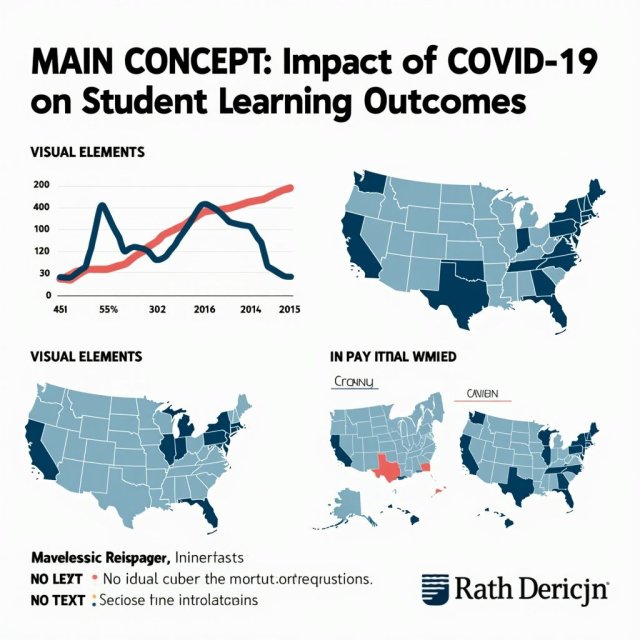
Post-COVID Learning Paths: How Grade Level During the Pandemic Shapes Educational Trajectories
The effects of the pandemic on post-COVID learning vary by the level of students. A generalized and uneven loss of learning was observed, greater in mathematics and in older students.
Critical Negotiations to End the Conflict between Russia and Ukraine
The Brookings Institution hosts negotiations between the US, Russia, Ukraine and Europe to end the war. Experts address Putin’s negotiation tactics and the situation on the battlefield. A solid agreement is highlighted as crucial for European stability and global security. Kirill Dmitriev and presidential envoys participate. Putin seeks to pressure the West to concede.

Empowering Mid-Tier Education Governance to Scale Impact in Low- and Middle-Income Countries.
Educational governance in low- and middle-income countries is crucial to improve education. Intermediate actors, which connect central policies with schools, are often underutilized. The report highlights their importance to scale up educational innovations and suggests that governments share decision-making authority with them, training and supporting them to strengthen the education system.