
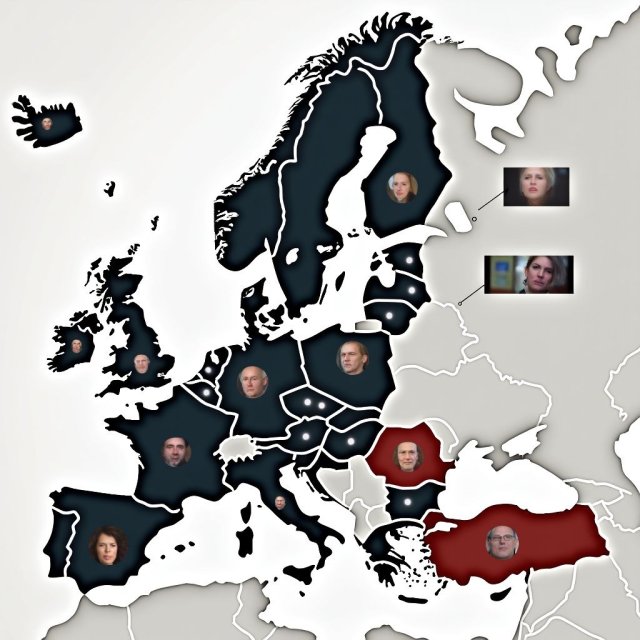
United by the Nation
Since 2022, national cohesion in Europe has been crucial in facing the Russian threat and supporting Ukraine, and fiscal pressure and defence spending increases make it difficult to meet social expectations. External actors such as Russia and the United States undermine this cohesion. Strong leadership and comprehensive responses from political elites and civil society, along with good governance and strong institutions, are needed to counter these influences.
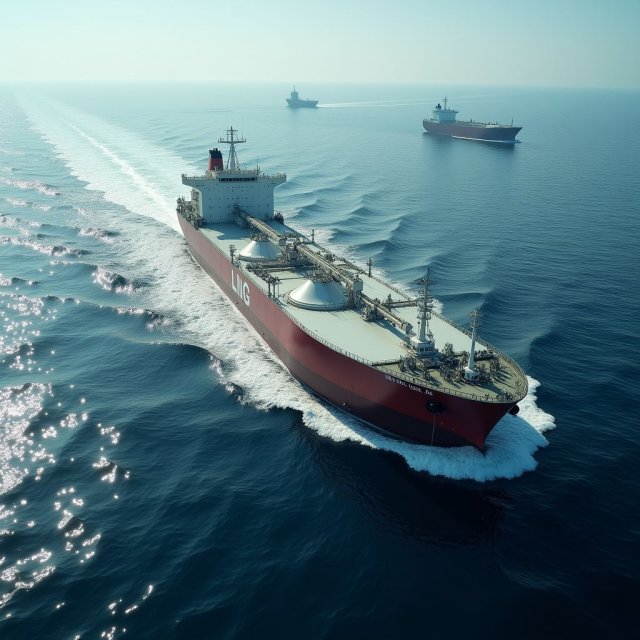
The Ghost Fleet of GNL in the New Gas Order: Futures of Energy
The increase of a ghost fleet of LNG, backed by China, aims to counter the US dominance in the energy markets, marking a transition towards a multipolar economic order. The appearance of Russian and Chinese methaner carriers for transporting sanctioned LNG indicates a shift in the international energy market. This phenomenon poses environmental and security risks, as well as challenges for maritime regulation.

Why the most valuable tax oath is not making more promises.
In the midst of a growing fiscal crisis in the US, the effectiveness of politicians’ promises not to raise taxes is questioned due to the unprecedented increase in federal debt. The lack of flexibility in fiscal negotiations has led to paralysis. With the urgent need to address budget sustainability, the importance of avoiding restrictive tax promises is highlighted. Leaders are urged to break with this practice to achieve a lasting fiscal reform.
Competition Law: A Key Tool for Geoeconomic Analysis
Competition law analyzes the global digital economy, identifying power risks and promoting innovation. Large digital platforms dominate through economies of scale, network effects and reach, influencing global innovation and technological standards. Cloud computing is crucial for EU competitiveness, but faces obstacles like vendor lock-in. Regulation, such as the Digital Markets Act, aims to promote.
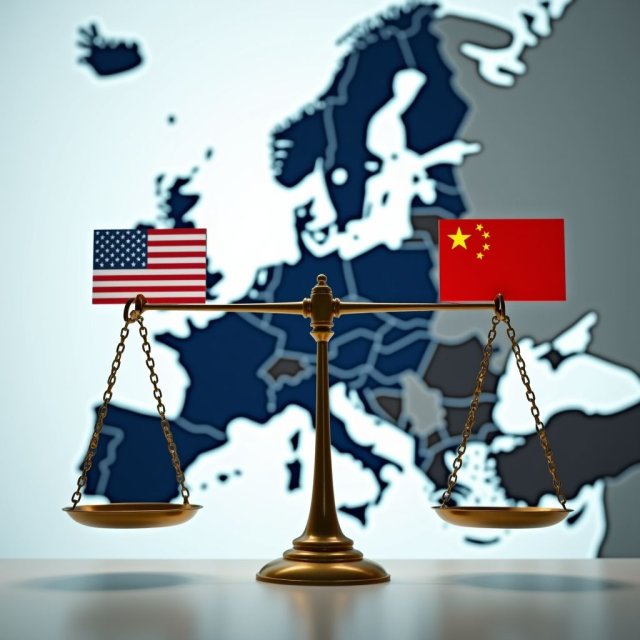
Next Steps for European Economic Security: From Strategy to Doctrine.
The European Union needs a balanced strategy to reduce its dependence on the United States and China, improving its ability to counter coercive economic threats. The EU must identify critical points in supply chains, discuss the use of the Anti-Coercion Instrument, and strengthen economic associations and governance structures to manage economic security tools. Emphasis is placed on adapting to new scenarios.
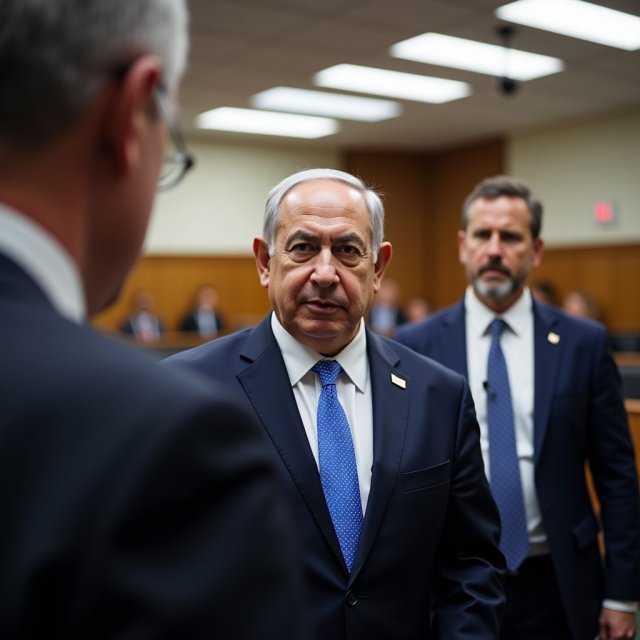
Netanyahu: The Grace That Divides Israel
Israeli Prime Minister Benjamin Netanyahu asks for clemency to promote reconciliation, but his corruption and fraud trial divides the society. The request, amidst accusations of political favors and abuse of power, generates tensions. Netanyahu argues that shortening the process would benefit the nation, while criticism grows. President Herzog considers the petition and the opposition demands his resignation. The possible clemency raises ethical dilemmas and could trigger a political crisis.