
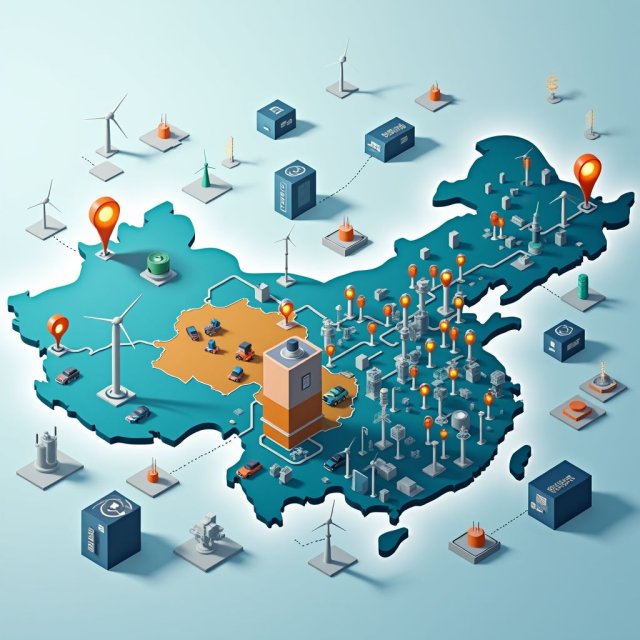
Bursting the Generational Myth: The EU Needs a Comprehensive Strategy for Next-Generation Battery Chemistries.
China leads the world’s lithium-ion battery production, especially in electric vehicles, since 2001. Despite its successes, it faces challenges of overproduction and price drops. China strengthens its supply chain for national security and self-sufficiency. Europe considers whether to directly compete with China in future battery technologies.
The Trump Doctrine: Peace through Strength
Donald Trump promotes peace through force in his National Security Strategy, reinforcing a militaristic approach to safeguard US interests. His bet on military power over soft power distances him from potential allies and does not guarantee security against current threats. His aggressive policies generate tensions with the European Union and cause an increase in military spending, weakening the welfare state. Trump seeks to maintain the global status quo, ignoring peaceful alternatives. The president’s decisions reinforce the hegemonic vision of the US, distancing itself from international cooperation and generating conflicts.
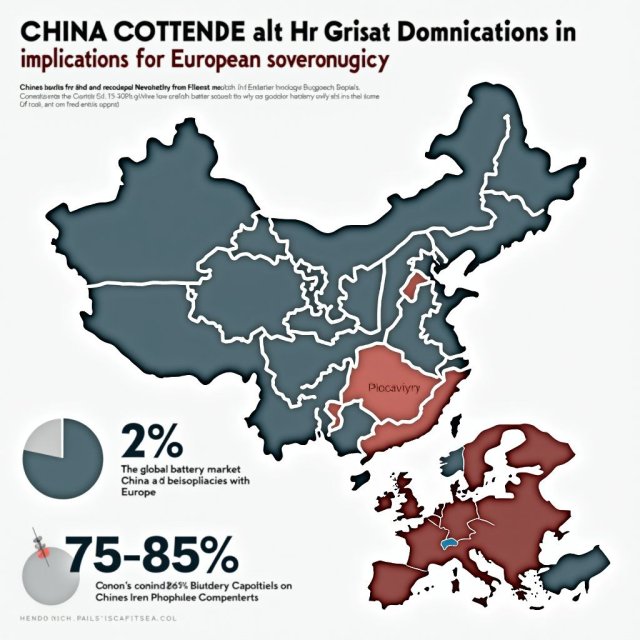
Chinese Export Controls on Cathode Technology: Why the EU Needs to Enhance Supply Chain Transparency
The EU must increase visibility in lithium iron phosphate cathode technology supply chains, as China controls lithium iron phosphate cathode technology and dominates the battery market. McKinsey estimates that by 2030, Europe and North America will have between 5% and 10% of global battery production. The 2025 battery technology export restrictions impact European energy storage sovereignty. China seeks to maintain its dominance in battery value chains to exploit dependencies.

Transforming EU securitisation: A market-driven approach
The European Union seeks a more market-based approach to securitization, emulating the strength of the US market. The new regulations propose managing loan portfolio risks, simplifying reporting requirements and freeing up funds for additional loans. They will also review the potential of EU securitized assets, promoting more centralized financial supervision and advancing capital market integration.
The Hamilton Project: 2025 by the Numbers
In 2025, the Hamilton Project analyzed challenges and developments in U.S. economic policies, including federal government operations, the social security network, and commercial policy. It highlighted the impact of immigration on the labor supply, poverty reduction through expansions in the social security network, and the influence of cuts in programs such as Medicaid and SNAP. It also noted the increase in labor participation among young women and U.S. tariffs compared to other developed countries.

Strengthening Democracy in Mali: Leveraging Heritage for Deeper Practice
En Mali, aunque se prefiere la democracia, hay insatisfacción con su práctica. La debilidad institucional y el uso de canales extra-institucionales han limitado la consolidación democrática. Para fortalecerla, es crucial potenciar instituciones formales, fomentar la participación ciudadana y legitimidad, y valorar la consulta y el consenso. Se propone integrar foros de participación directa para resolver la crisis de representación.