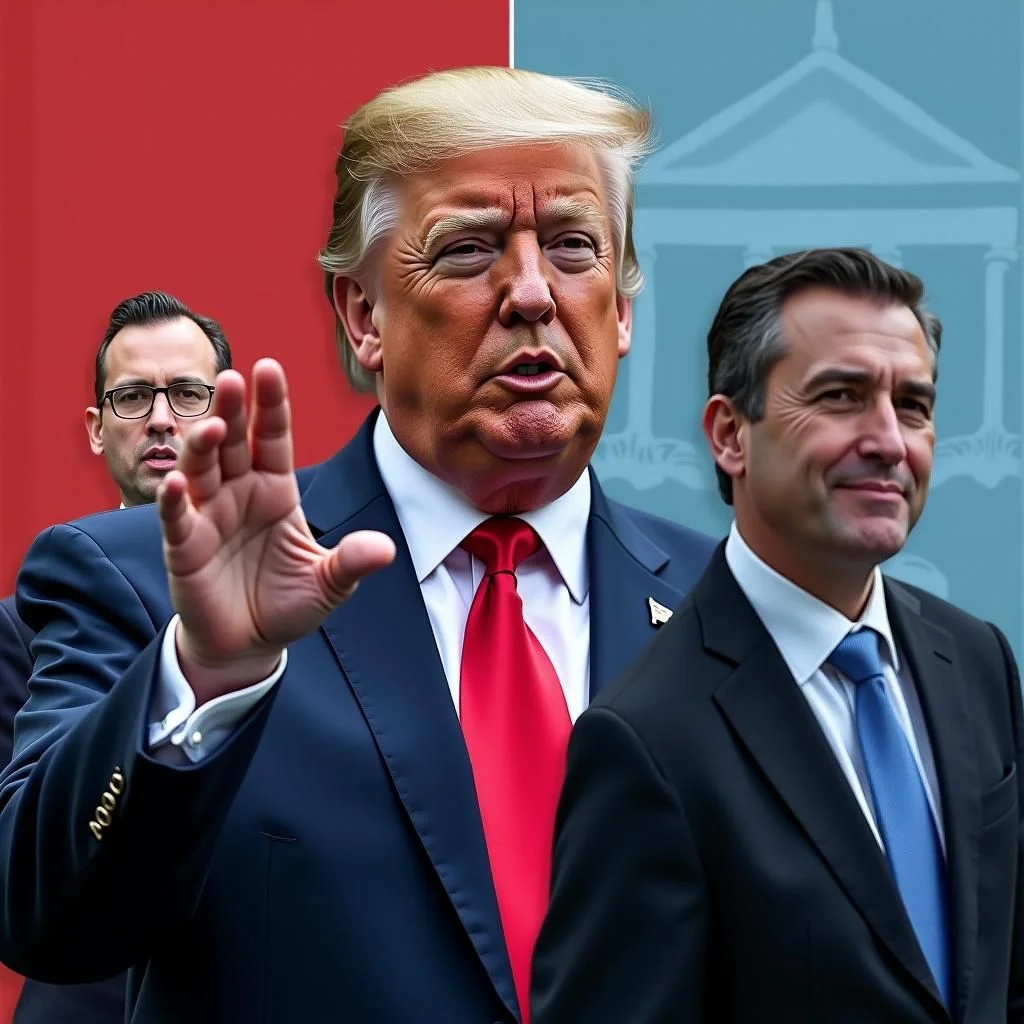
The reinstatement of late-night comic Jimmy Kimmel‘s show by ABC does not alleviate the free speech concerns triggered by his suspension. The recent actions of the Federal Communications Commission (FCC) under its chairman signal a broader shift in media regulation. The chairman has promised that the FCC is not finished with its regulatory changes, foreshadowing a “massive shift in dynamics in the media ecosystem.” This shift aligns with what he describes as the “permission structure” provided by the election of the current president. The FCC, under this administration, is fully aligned with the president’s agenda, including the willingness to punish media companies if they are perceived as “out of line.”
The FCC’s approach raises significant concerns regarding the First Amendment, which prohibits the government from abridging the freedom of speech or of the press. The FCC’s authorizing statute explicitly states that nothing in its charter should be construed to give the Commission the power of censorship. However, the Trump-Carr team has devised a workaround by using political power to exploit economic incentives. Television broadcasters operate using licenses granted by the FCC to access the public’s airwaves. The chairman’s coercive intent was evident early in his term when he stated that broadcast licenses are not sacred and that media companies are required by law to operate in the public interest. If they do not, they will be held accountable.
The lack of a precise definition of “public interest” gives the FCC broad discretion, ultimately decided by the chairman. This discretion allows the FCC to hold broadcasters accountable for their editorial decisions, effectively weaponizing regulatory power. When the chairman commented on the Kimmel situation, he suggested that media companies could either change their conduct or face further action from the FCC. This approach has been likened to the threat of a mob boss, yet it has not deterred the president from threatening to use the FCC’s power to revoke broadcast licenses. The president has repeatedly complained about television networks hostile to him, suggesting that their broadcast licenses should be taken away.
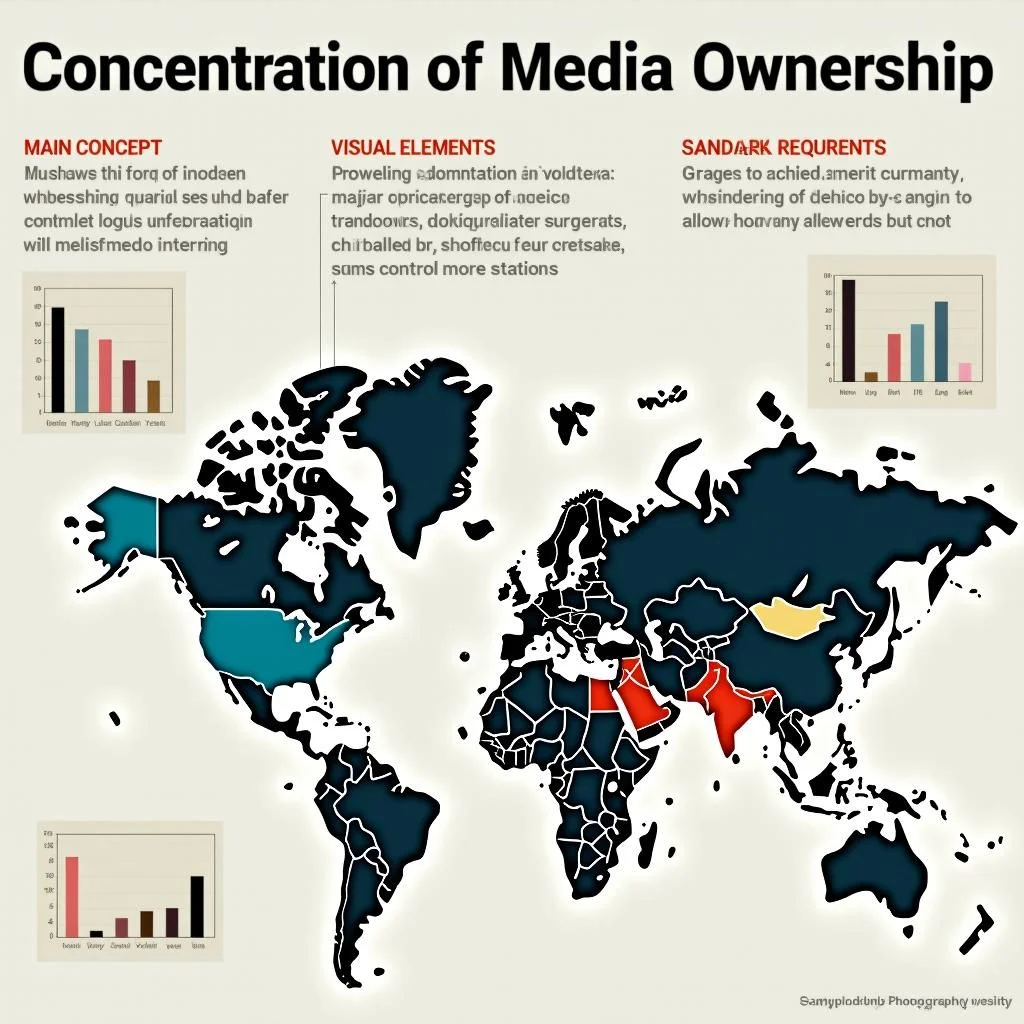
These actions are a harbinger of things to come. For nearly a century, the FCC has followed its statutory mandate to ensure that the public’s airwaves deliver multiple ideas and opinions from diverse ownership. However, the current administration is threatening to use the FCC’s power not to protect this plurality of viewpoints but to suppress it. In addition to the high-profile intrusions into content matters, there is a less visible effort to allow large broadcasters to acquire more stations, increasing their power over what Americans see.
To promote diversity of voices and opinions, Congress directed the FCC to limit how many homes a chain broadcaster can reach to 39% of total households. The chairman has expressed a desire to increase this cap, despite scholarly opinions that he cannot change what Congress has directed. This regulatory action aligns with the economic interests of large broadcasters. For example, the nation’s largest chain broadcaster, which appears friendly to the current administration, is relying on the chairman to change the ownership rule. It has agreed to purchase a smaller chain for $6.2 billion, a combination that would put it in 80% of American homes and vastly exceed the FCC rules. This consolidation aligns with the forecasted “massive shift in the media ecosystem.”
When ownership of the means of expression is concentrated in just a few companies, it is easier for governments to put pressure on those companies. The current strategy appears to be reshaping the media landscape in this direction. In 2023, then-commissioner Carr posted on social media that “censorship is the authoritarian’s dream.” Many initially read this as a defense of free speech. However, in light of recent actions, it appears more like a roadmap: using censorship and the power of the FCC to expand authoritarian control. This approach not only threatens free speech but also undermines the democratic principles that have long guided media regulation in the United States.