This decade has been marked by significant events and policy shifts in K-12 education, with various developments potentially reshaping the educational landscape. One of the most notable trends is the push for large-scale private school choice programs, which are likely to influence education policy for years to come. These programs, including federal tax-credit scholarships and education savings accounts (ESAs), have been extensively analyzed for their impact on educational equity.
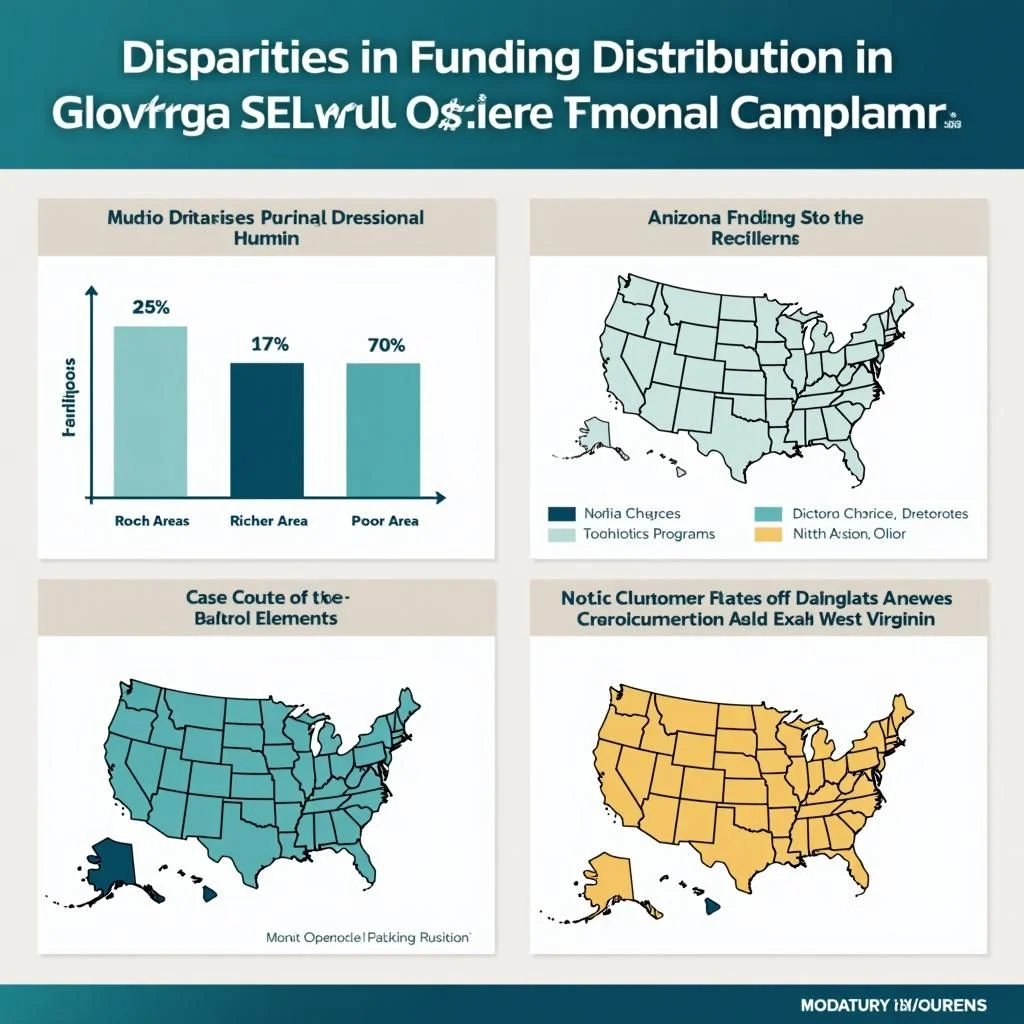
ESA programs, in particular, have gained attention due to their less restrictive nature compared to traditional voucher programs. Unlike traditional vouchers, ESAs allow families more flexibility in how they use the funds and do not exclusively target students in poverty, students with disabilities, or other disadvantaged groups. Arizona’s ESA program, which became universal in 2022, is a prime example. Data from Arizona showed that funds disproportionately flowed to wealthier areas, raising concerns about inequitable access to educational resources.
This analysis extends to five other states—Indiana, Iowa, North Carolina, Ohio, and West Virginia—with universal or near-universal private school choice programs. The goal is to understand whether funds tend to flow to poorer or wealthier areas and to identify policy features that mitigate or exacerbate these disparities. The specific details of each state’s eligibility criteria are crucial in this analysis.
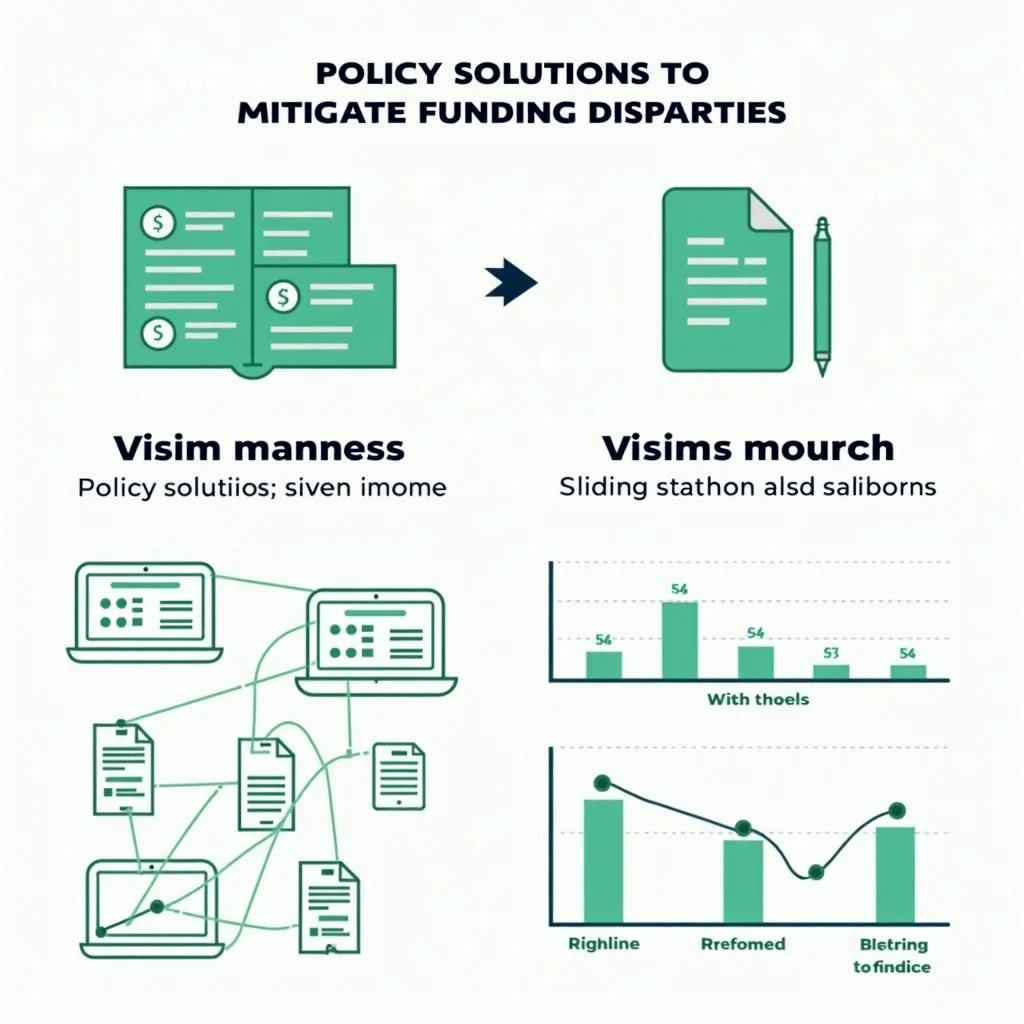
Income guidelines for private school choice programs vary significantly by state. The term “universal” can be misleading, as many programs have some restrictions. The key feature for our analysis is whether families’ access to funds depends on household income. Policymakers have several options to incorporate means testing into their programs. For example, states can restrict private school choice funds to families below an income limit, prioritize lower-income families when funding is limited, or provide less funding to higher-income families through a sliding scale.
In states with no income restrictions, such as Arizona and West Virginia, funds disproportionately benefit wealthier communities. This pattern is evident in the participation rates, which are higher in areas with higher median family incomes. Indiana and Iowa, which have income cutoffs, also show higher participation rates in wealthier areas, but the very highest-income areas do not have the largest share of recipients. This suggests that income limits can rein in the tendency for extremely high-income areas to dominate program participation.
North Carolina and Ohio offer more money to lower-income families, which helps prevent a disproportionate share of funds from flowing to wealthier communities. In North Carolina, the lowest-income families receive the largest scholarships, leading to a higher participation rate in low-income areas. Ohio’s programs also use a tiering system based on household income, which results in a weaker positive relationship between participation rates and local median family income compared to other states.
The analysis reveals that universal school choice programs are likely to direct a disproportionately large share of funding to wealthy areas unless policymakers implement policies to prevent this. Factors contributing to this pattern include the lack of private schools in lower-income rural areas and private schools raising tuition rates when choice funds become available, thereby excluding lower-income families.
To address the concern of funds disproportionately flowing to wealthy areas, policymakers need to design programs that ensure resources are directed to the least advantaged residents. This involves implementing policies such as income-based sliding scales, prioritizing lower-income families, or setting income limits. However, addressing this concern does not resolve other issues with universal school choice programs, such as lack of transparency, accountability, antidiscrimination protections, and evidence of improved student outcomes.