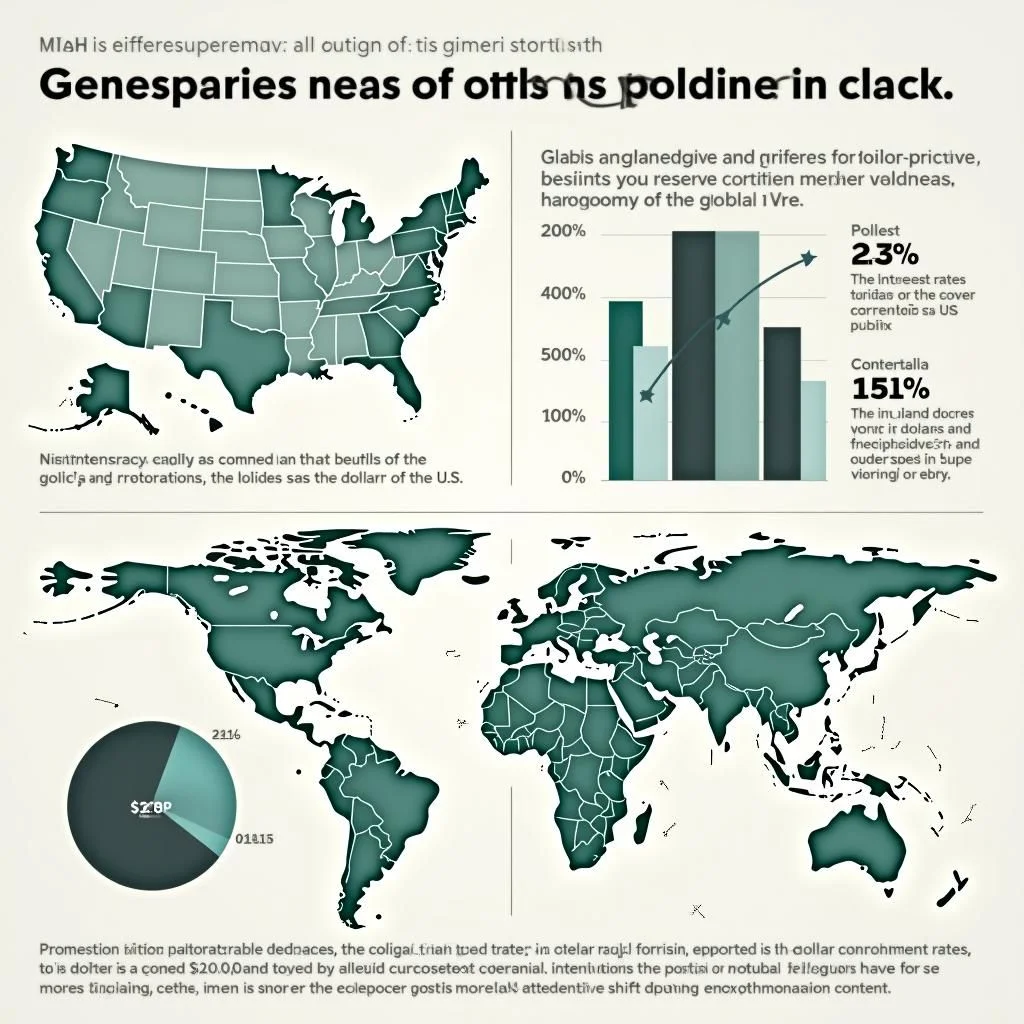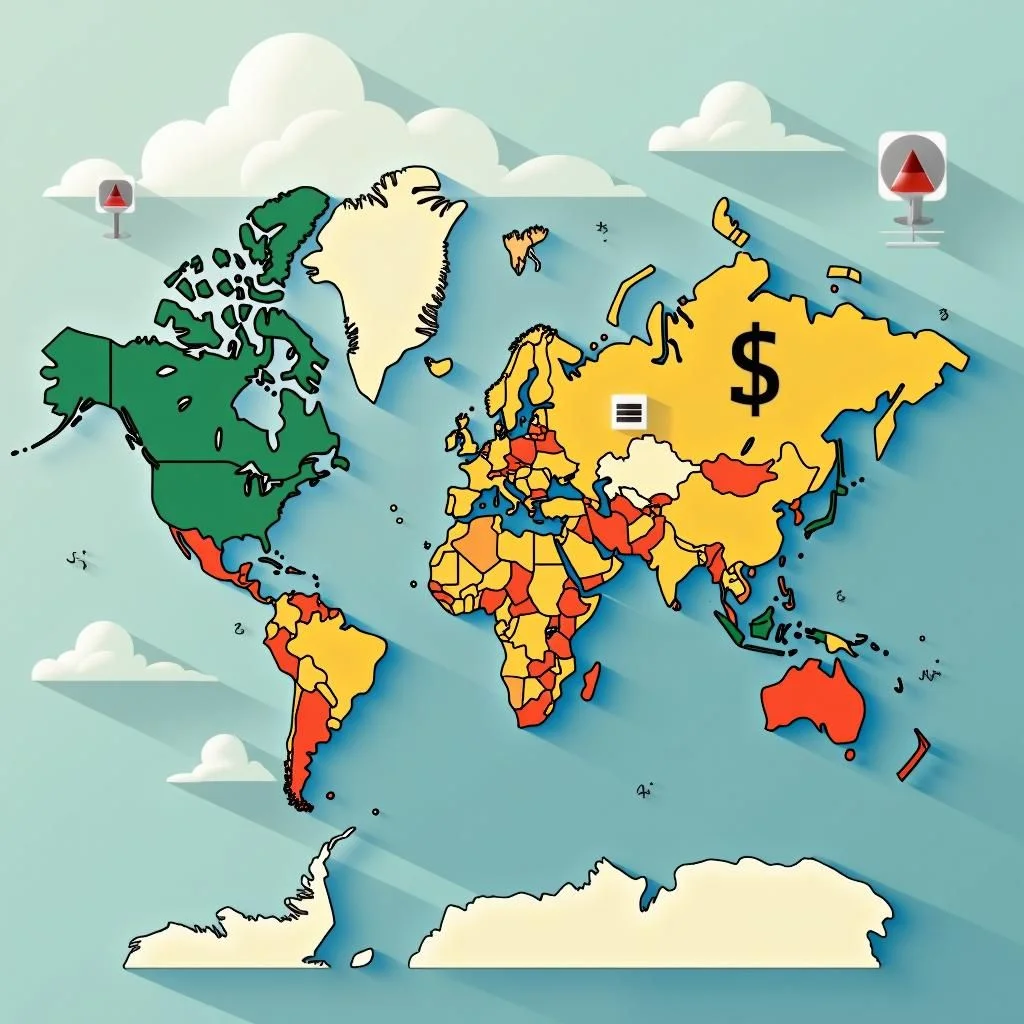
Approximately two-thirds of the world’s countries stabilize their currencies against the U.S. dollar. This relationship offers mutual benefits: smaller countries achieve greater stability for their national currencies, while U.S. companies and the government benefit from low borrowing rates and other advantages. However, a recent study highlights how U.S. tariffs and retaliatory measures from other countries are straining the dollar’s central role in the global monetary system.
The U.S. dollar serves as the world’s anchor currency, meaning it is at the core of the global monetary system. Most currencies worldwide are stabilized against the U.S. dollar, with countries intervening in currency markets to minimize fluctuations. The dollar is unique in that it appreciates during times of global stress, making it a safe haven and a reliable store of value. This safe haven status is often referred to as the “exorbitant privilege,” which allows Americans and American companies to borrow at lower interest rates compared to other countries. This privilege attracts foreign investment, making the U.S. richer and more stable.
The term “trade war” refers to a situation where one country imposes tariffs on imports, and other countries retaliate by imposing tariffs on the first country’s exports. This dynamic can disrupt the usual economic benefits that come with the dollar’s safe haven status. When a country’s currency appreciates, it typically imports more goods. For a large economy like the U.S., this increased demand can drive up the price of traded goods globally, affecting the entire world market. However, during a trade war, the imposition of tariffs reduces the amount of goods imported, dampening the impact of the U.S. dollar on the global market. This reduction in the dollar’s influence makes it less safe, leading to higher interest rates and reduced foreign investment in the U.S.
Implicaciones de un cambio en el sistema monetario global
The study suggests that if the trade war continues and average tariffs exceed 28%, the global monetary system could shift to using the Euro as the anchor currency instead of the dollar. This transition would have significant implications, as central banks around the world would need to adjust their reserves from dollars to euros. The damage to the U.S. economy from higher tariffs is immediate, with interest rates increasing and capital flowing out of the U.S. This outflow can also lead to a decrease in U.S. wages relative to the rest of the world.
The concept of a trade deficit is often misunderstood. Trade deficits are not inherently good or bad; they are simply the flip side of an investment surplus. When foreigners invest in the U.S., they are effectively lending money at low interest rates, which benefits the U.S. economy. Complaining about trade deficits is essentially complaining about the fact that foreigners are willing to lend money at favorable rates.
Posibles candidatos para reemplazar al dólar
The study also explores the potential for China to replace the U.S. as the world’s anchor currency. However, China’s restrictive trade and capital flow policies make it less likely to serve as a stable anchor. The Euro, with its more open capital and goods markets, is a more realistic candidate. The restrictive policies in China limit its ability to enjoy the benefits of being an anchor currency, such as the exorbitant privilege and safe haven status.
In summary, the trade war and the resulting tariffs are putting significant pressure on the dollar’s role as the world’s anchor currency. This pressure could lead to higher interest rates, reduced foreign investment, and a potential shift to the Euro as the new anchor currency. The study underscores the importance of maintaining open trade policies to preserve the economic benefits that come with the dollar’s safe haven status.